How to Do a Digital Sabbath (and Why You Should)
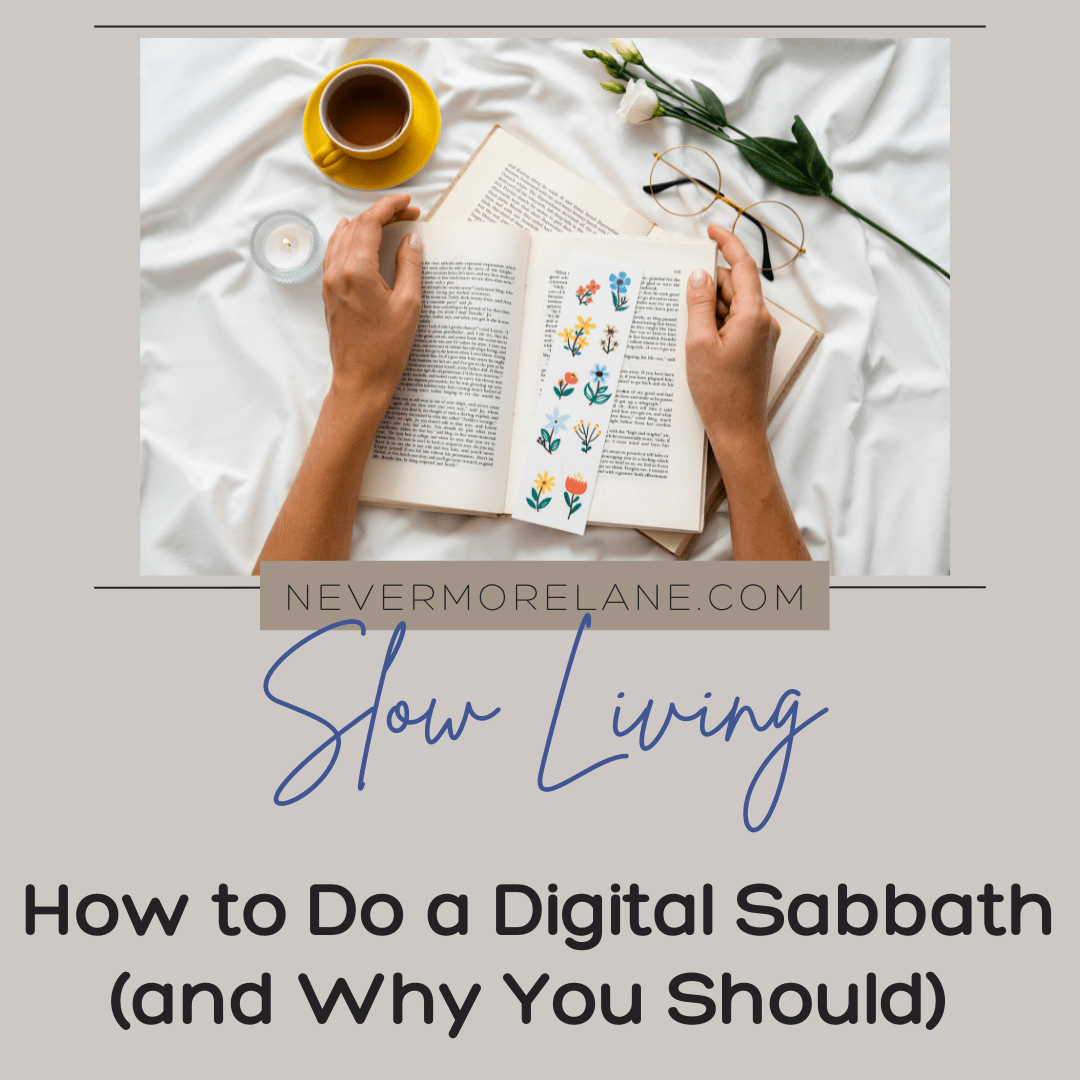
I used to think I needed to be available all the time. My phone sat next to my bed, my laptop stayed open through dinner, and I’d check notifications during morning coffee like it was part of the ritual itself. The constant hum of digital connection felt normal, even necessary. Until one day, I realized I couldn’t remember the last time I’d experienced true quiet. Not just the absence of sound, but the deeper stillness that comes when you’re not waiting for the next ping, the next message, the next thing demanding your attention. That realization changed everything.
The concept of a digital sabbath isn’t about punishing yourself or proving you can survive without technology. It’s about reclaiming time that belongs to you, not to algorithms or endless scroll sessions or the manufactured urgency of notifications. It’s about remembering what your own thoughts sound like when they’re not competing with a dozen open tabs. And honestly? It’s one of the most magical things I’ve ever brought into my slow living practice. The first time I spent an entire day without screens, I felt like I’d discovered a secret room in my own life, a space that had been there all along but hidden behind the noise.
If you’re reading this and thinking “that sounds impossible” or “I could never do that,” I understand. I felt the same way. But here’s what I’ve learned through practice: a digital sabbath isn’t about perfection or following rigid rules. It’s about creating breathing room in a world that constantly asks us to perform, respond, and consume. It’s about choosing presence over productivity, at least for a little while. And if you’re curious about what that could look like in your own life, let me walk you through how to make it happen.
What a Digital Sabbath Actually Means
A digital sabbath is a dedicated period of time when you intentionally step away from digital devices, screens, and online spaces. The traditional concept comes from the religious practice of sabbath, a day of rest, but you don’t need any religious framework to benefit from this practice. At its core, it’s simply choosing to pause your relationship with technology for a set period so you can reconnect with yourself, your surroundings, and the analog world.
The length of your digital sabbath is entirely up to you. Some people practice it for 24 hours once a week, from Friday evening to Saturday evening, mirroring traditional sabbath timing. Others choose Sunday afternoons or Saturday mornings. Some start with just a few hours and build from there. There’s no universal standard, and that’s actually the beauty of it. This practice adapts to your life, not the other way around. What matters is the intentionality, not the duration.
During a digital sabbath, you’re not just putting your phone on silent or limiting screen time. You’re creating a complete break from the digital realm. That means no scrolling social media, no checking email, no watching streaming services, no online shopping, no texting. It means letting voicemail catch your calls and trusting that anything truly urgent will find another way to reach you. It sounds extreme until you try it, and then it feels like relief. Like setting down a weight you didn’t realize you were carrying.
The “why” behind this practice runs deeper than just reducing screen time. Digital devices fragment our attention into tiny pieces, training us to expect constant stimulation and immediate answers. They keep us perpetually half present, always ready to shift focus to whatever notification arrives next. A digital sabbath reverses that fragmentation. It gives your nervous system permission to settle, your mind space to wander, and your attention the rare gift of sustained focus on whatever is actually in front of you.
Preparing Your Space and Mindset
Before your digital sabbath begins, you’ll want to set yourself up for success rather than struggle. Start by choosing your timeframe and marking it clearly in your calendar. Treat this commitment with the same respect you’d give any important appointment. Then, let the people who might need to reach you know you’ll be offline. Send a quick message to close friends, family members, or anyone who might worry if you don’t respond immediately. You’re not asking permission; you’re simply offering courtesy and clarity.
Next, prepare your physical environment. Decide where you’ll keep your devices during your sabbath, and make it somewhere intentionally inconvenient. I put mine in a drawer in my office, face down, powered off. Some people use a specific box or basket, almost like a holding space for the digital world while they step into the analog one. The physical act of putting devices away creates a boundary that helps your brain shift gears. Out of sight truly becomes out of mind, at least after the first hour or so.
Think about what you’ll do instead of reaching for your phone. This is crucial. If you don’t plan alternatives, you’ll feel the void of your usual digital habits more acutely, and that discomfort might cut your sabbath short. Gather physical books you’ve been meaning to read, pull out your journal and favorite pen, set up your art supplies if you’re creatively inclined, or plan a walk in nature. Having tangible activities ready removes the decision fatigue that might otherwise send you back to your screens.
The mindset piece matters just as much as the logistics. You’ll likely feel twitchy during your first digital sabbath. Your hand will reach for your phone reflexively. You’ll think of things you want to look up or share or check. That’s completely normal. When it happens, don’t judge yourself. Just notice the impulse, acknowledge it, and let it pass. Keep a small notebook nearby if you want to jot down things to remember for later. The urge fades faster than you’d expect once you allow yourself to sit with it instead of immediately satisfying it.
Creating Your Digital Sabbath Ritual
Rituals transform ordinary practices into something meaningful, and starting your digital sabbath with intention sets the tone for everything that follows. I begin mine by lighting a candle as I power down my devices, a simple gesture that marks the transition from digital time to sacred rest. You might pour yourself tea in your favorite cup, step outside to take three deep breaths, or simply speak a quiet acknowledgement that you’re choosing to be present for the next several hours. Whatever feels authentic to you becomes the threshold between your online life and this protected space.
The early hours of a digital sabbath often feel the strangest. You’ll notice how often you automatically reach for your phone, how many moments of potential boredom you typically fill with scrolling. Instead of fighting these impulses, get curious about them. What are you actually seeking when you reach for that device? Connection? Distraction? Validation? Information? Once you name the need, you can meet it in analog ways. If you’re seeking connection, write a letter to someone you love. If you need distraction, lose yourself in fiction. If you want validation, spend time on a creative project that reminds you of your own capability.
As the day unfolds, lean into slowness. This is your chance to move through hours without the artificial urgency that digital life creates. Make breakfast without checking the news. Take a walk without documenting it. Sit in your favorite chair with coffee and let your mind wander wherever it wants to go. Read for hours if that calls to you. Work with your hands on a craft project, in your journal, or in your kitchen. The point isn’t to be productive in any measurable way. The point is to remember what it feels like to exist without performing that existence for an audience.
You’ll probably encounter moments of genuine discomfort, especially early in your digital sabbath practice. Boredom might surface, or restlessness, or the nagging feeling that you’re missing something important. These feelings are information, not emergencies. They’re showing you how deeply the digital world has woven itself into your sense of normalcy. Sit with discomfort. Breathe through it. On the other side of that initial resistance, you’ll often find a deeper calm than you’ve experienced in months. The first time I made it through that barrier, I understood why this practice is called sacred rest.
The Unexpected Magic That Emerges
What surprised me most about regular digital sabbaths wasn’t what I gave up, but what returned. The first thing I noticed was silence, real silence, both external and internal. Without the constant input of news, opinions, curated aesthetics, and other people’s emergencies, my own thoughts became audible again. I remembered questions I’d been meaning to explore, ideas I wanted to develop, feelings I’d been scrolling past instead of processing. The mental space that opened up felt like finding extra rooms in a house I thought I knew completely.
Creativity blooms in these digital-free spaces in ways that feel almost magical. When your brain isn’t constantly context switching between apps, articles, and notifications, it finally has room to make unexpected connections. I’ve had more genuine insights during digital sabbaths than in weeks of regular time. Ideas for writing arrive fully formed. Solutions to problems I’d been stuck on suddenly seem obvious. It’s not that the sabbath makes you more creative; it’s that constant digital noise drowns out the quiet voice of creativity, and stepping away lets you hear it again.
Your relationship with time itself shifts during a digital sabbath. Hours stretch out in the most wonderful way. A morning can feel spacious enough to contain a slow breakfast, journaling, reading, and a long walk, without any sense of rushing. You’ll glance at a clock expecting it to be late afternoon and find it’s only noon. This isn’t because time moves slower; it’s because you’re actually present for each moment instead of half living it while simultaneously living in a dozen digital spaces. You’re experiencing your life in real time, which is rarer than it should be.
The effects don’t stay contained within the sabbath itself. They ripple into the rest of your week. After a day of rest from digital stimulation, you’ll notice how much more intentional you can be about your device use. You might find yourself asking “do I actually want to scroll right now, or am I just bored?” before opening an app. You might realize you don’t need to document every beautiful moment to validate its beauty. You might discover that most notifications can wait hours, or days, or forever. The digital sabbath becomes a weekly recalibration, reminding you what matters and what’s just noise.
Your Digital Sabbath, Your Way
There’s no perfect way to practice a digital sabbath, only the way that works for your life right now. If a full 24 hours feels impossible because of your work, family responsibilities, or current circumstances, start with what you can manage. A Sunday morning from wake-up until lunch. A Saturday afternoon. Even three hours of intentional digital quiet is better than zero. You can always expand the practice as it becomes more familiar and you begin to crave that sacred rest.
Some people keep exceptions for emergencies or essential communication. Others go completely dark. Some allow e-readers if the alternative is no reading at all. Some permit music from devices but not social media or email. You get to decide what serves your intention of rest and presence. The practice belongs to you, not to any rulebook. That said, I’d encourage you to be honest with yourself about what’s truly an exception versus what’s a loophole your addicted brain is trying to justify. There’s a difference between allowing your Kindle and allowing “just one quick check” of Instagram.
Pay attention to what you learn during each digital sabbath. Notice which hours feel easiest and which feel hardest. Observe what activities fill you up versus what just passes time. Track how you feel afterward, both immediately and in the days that follow. This isn’t about judgment or grading yourself; it’s about gathering data on what works for you. Maybe you discover you need more physical activity during your sabbath to channel restless energy. Maybe you find that creative projects ground you more than passive reading. Let each sabbath inform the next one.
The practice will evolve as you do. What you need from a digital sabbath this month might be different from what you need six months from now. Sometimes you’ll crave solitude and silence. Other times you’ll want to spend your sabbath in rich conversation with loved ones or in community with others who value analog presence. Honor where you are. The beauty of claiming regular digital rest is that you’re creating a container that can hold whatever you need it to hold, a weekly return to yourself that adapts as you grow and change.
Making Peace With the Digital World Again
When your digital sabbath ends, you don’t have to rush back into the noise. I’ve found that how I re-enter the digital world matters almost as much as how I leave it. Instead of immediately checking everything I missed, I take a moment to acknowledge the time I just spent in rest and presence. I consider what I want to carry forward from the sabbath into my regular week. Then I turn my devices back on, slowly, mindfully, with intention about what I’m inviting back into my attention.
You might be surprised by what you discover when you finally check your phone. Usually, the world continues just fine without your immediate input. The messages that seemed urgent weren’t. The news you missed didn’t fundamentally change your life. The social media content you scrolled past disappeared into the endless feed without consequence. This revelation itself is valuable. It reminds you that your constant availability isn’t actually required, that most of what demands your digital attention isn’t worthy of it.
The real magic of a digital sabbath practice is that it changes your relationship with technology for all the other days too. You start to see your devices as tools you choose to use rather than masters you serve. You become more aware of when you’re using technology intentionally versus when it’s using you. You notice the difference between connecting online because you genuinely want to versus scrolling because you’re avoiding something. That awareness is power, the power to choose presence over autopilot.
Regular digital sabbaths teach you something crucial: you’re capable of rest, of presence, of existing without performing or producing or consuming. In a world that profits from your constant engagement and attention, claiming regular time away from screens is a radical act of self-care. It’s also a deeply magical one, a weekly reminder that your life exists beyond the digital realm, that beauty and meaning and connection thrive in the analog world if you give them space to breathe.
Join Me for Coffee
I’d love to hear about your experience with digital sabbaths or digital rest practices. What works for you? What feels challenging? What have you discovered in the quiet spaces away from screens? Drop a comment below and let’s continue this conversation. And if you’re hungry for more ways to bring slow, intentional living into your everyday life, explore the other posts here on Nevermore Lane. We’re building a life that feels treasured, together, one mindful choice at a time.
Like what you read? Drop me a line – let’s chat over virtual coffee.
~ Chrystal