How to Build a Timeless Wardrobe With Essential Menswear Pieces
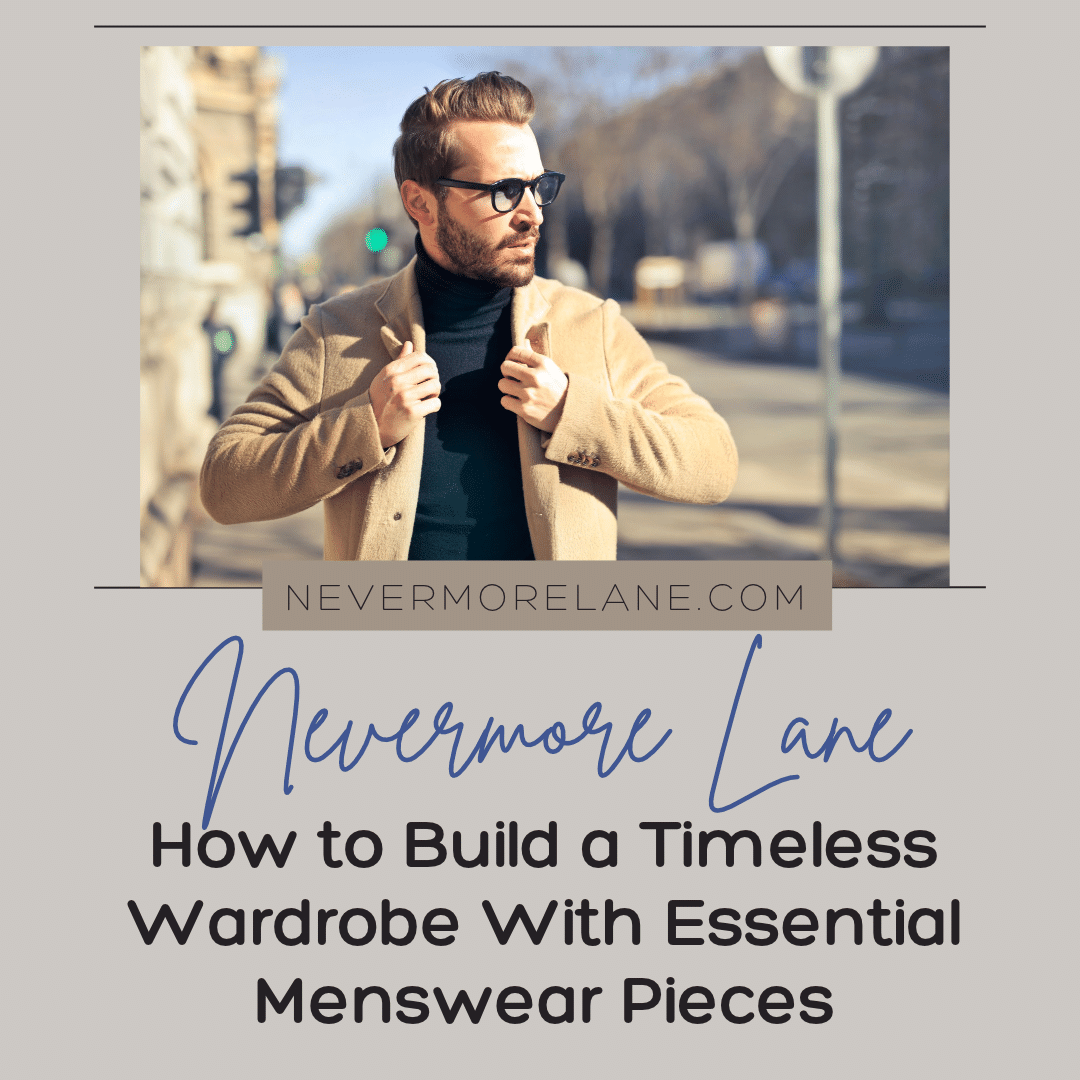
We have all stood in front of a full closet and felt like there was nothing to wear. The problem is rarely too few clothes. There are too many pieces that do not work together. A timeless wardrobe flips that around: fewer items, chosen well, that mix easily and look good year after year. For men across the United States, from city commuters to weekend travelers, this approach saves money, time and morning stress.
This guide shows how to build a wardrobe around dependable basics, how to judge fabric and fit, and how to add pieces slowly without second-guessing. Think of it as a plan you can start with one purchase and grow over time.
What “Timeless” Really Means
A timeless wardrobe is not a uniform or a trend-free zone. It is a collection of clean, versatile pieces that stay useful as styles shift. Solid colors, simple cuts and good materials do most of the work.
It also means buying less and keeping things longer. The U.S. Environmental Protection Agency estimates that the United States generated about 17 million tons of textile waste in 2018, with 11.3 million tons landfilled and 14.7% recycled. Keep the limits in mind: the data are from 2018, they cover all textiles rather than only clothing and they are partly based on sales estimates.
Still, the numbers are a reminder that clothes we toss have a cost. Choosing pieces that last is good for your wallet and for the planet.
Start With the Foundations
Everything else rests on a handful of basics. Aim for a small group that you can wear on repeat:
- Plain tees in white, grey, navy or black
- A well-fitted polo or button-up shirt for days that need a little more polish
- A crew-neck sweater or sweatshirt in a neutral color
- Dark jeans or trousers that suit both casual and smart settings
- A pair of clean leather or minimalist sneakers
These items form a base that works for work, travel and weekends. Once you have them, the rest of the wardrobe becomes about choosing complements, not starting over. A simple palette of two or three neutral colors, with one accent shade, keeps everything easy to mix.
Add Layers and Outerwear
Layers give a small wardrobe range. A light jacket, a knit and a shirt can turn one outfit into several. Outerwear is also where quality shows most, since you wear it often and it takes the weather.
Choose a jacket in a simple color, such as navy, olive, tan or black, with a shape that sits well over your usual layers. A quarter-zip or overshirt adds another option for in-between temperatures. Check that sleeves, shoulders and length work with both a tee and a sweater. One good jacket often has more than three trendy ones. It becomes the piece people notice you wearing.
Look Closely at Fabric and Construction
Fabric influences how clothes feel, how well they hold up, and how they age over time. Natural materials such as cotton, merino wool, and cashmere are valued for their comfort and breathability, while technical fabrics can offer added weather resistance and durability.
When exploring SLOAT’s collection of premium menswear, consider the range of clothing styles and materials available, including outerwear, polos, T-shirts, and sweatshirts. Check individual product descriptions for fabric composition, care instructions, and sizing details to understand what suits your needs.
Beyond the fabric label, pay attention to stitching, seams, buttons, and zippers. Even stitching and sturdy fastenings can indicate careful construction. Feel the material, check its weight, and inspect how the seams hold together. These small details can help you assess whether a garment is likely to withstand regular wear and remain comfortable over time.
Get the Fit Right
Fit often matters more than price. A modest shirt that fits well looks better than an expensive one that does not. Check shoulders first, since they are hard to alter, then sleeve length, chest room and where the hem falls.
Use this quick routine when trying something on:
- Shoulders: the seam should sit at the edge of your shoulder
- Sleeves: they should end near your wrist or just past it
- Length: tees and shirts should cover the waistband without looking like a dress
- Movement: raise your arms and sit down to see if it pulls or bunches
- Mirror check: view the side and back, not just the front
A tailor can handle small changes, such as shortening trousers or sleeves, at a modest cost.
Care for It and Build Slowly
Good clothes last longer when treated well. Wash less often, follow care labels, air-dry knits flat and store heavy sweaters folded rather than hung. Repair loose buttons and small tears early.
Add pieces one at a time. Before buying, ask whether the item works with at least three things you already own. Keep a short list of gaps, such as a missing jacket or a second pair of trousers, and fill them as you can. Slow, thoughtful buying produces a better wardrobe than a big shopping spree.
Built From Simple Foundations
A timeless wardrobe is built from simple foundations, good layers, quality fabrics and clothes that fit well. Start with a few versatile basics, look closely at materials and construction, check fit carefully and care for your clothing so it lasts.
Add new pieces slowly and only when they work with what you own. Over time, this approach gives you a closet that is easier to use, cheaper to maintain and more personal than any trend, so getting dressed becomes quick, comfortable and satisfying.
Photo by Andrea Piacquadio: https://www.pexels.com/photo/man-wearing-eyeglasses-and-brown-jacket-842811/