How Spiritual Retreats Support Mental and Emotional Wellness
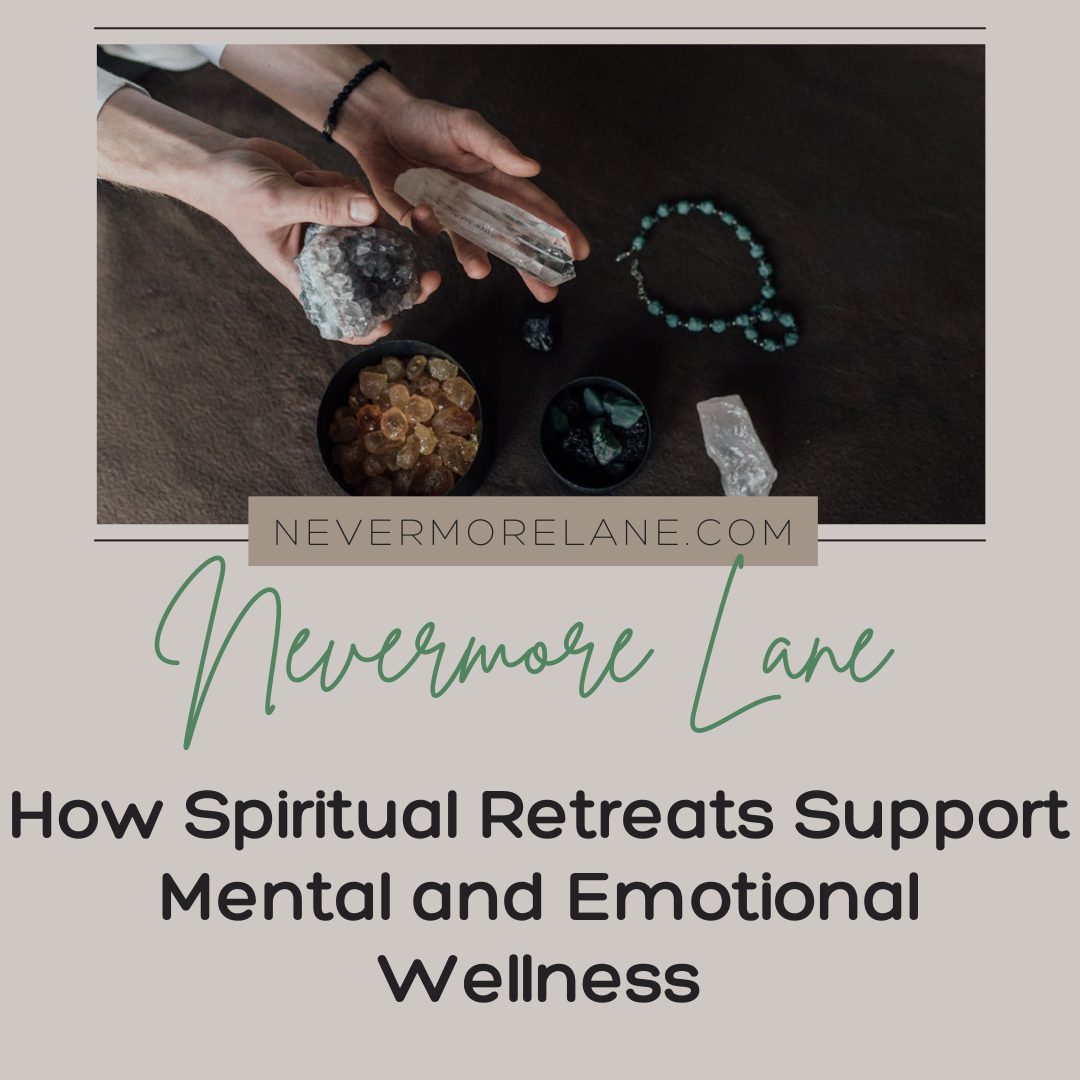
Modern life can feel overwhelming at times. Between work responsibilities, constant digital distractions, and personal challenges, it’s easy to feel mentally drained and emotionally disconnected. Many people try to manage stress through short breaks or quick solutions, but these often don’t address the deeper issues beneath the surface.
That’s why more individuals are turning to spiritual retreats as a way to step away from daily pressure and focus on their well-being. These retreats offer more than relaxation. They provide a structured environment where people can slow down, reflect, and reconnect with themselves. Instead of rushing through routines, participants are encouraged to be present, explore their thoughts, and process emotions in a supportive setting.
Spiritual retreats are becoming a meaningful option for those seeking clarity and emotional balance. They create space for personal growth in a way that everyday life rarely allows.
Understanding the Purpose of Spiritual Retreats
Spiritual retreats are designed to help people pause and reconnect with themselves on a deeper level. Unlike a typical vacation, where the focus is on entertainment or escape, these retreats are centered around self-reflection, healing, and personal development.
There are many types of retreats available, each offering a different approach. Some focus on meditation and mindfulness, while others include yoga, breathwork, or guided discussions. These experiences are often led by trained facilitators who help participants navigate their thoughts and emotions in a safe and supportive way.
For individuals seeking deeper emotional exploration, there are experiences like a professional ayahuasca retreat, where structured guidance, experienced facilitators, and a carefully prepared setting allow participants to work through internal challenges and gain insight into their emotional patterns. These retreats are designed with a strong focus on safety, preparation, and integration, helping individuals process their experiences in a meaningful and grounded way.
The main purpose of any spiritual retreat is to create a space where people can step away from distractions and focus on their inner world. This intentional setting makes it easier to explore thoughts, release emotional tension, and build a stronger connection with oneself.
Creating Space for Mental Clarity
One of the biggest benefits of a spiritual retreat is the opportunity to clear your mind. Daily life is often filled with noise—notifications, conversations, responsibilities, and constant multitasking. Over time, this can lead to mental fatigue and difficulty focusing.
At a retreat, much of that noise is removed. Many programs encourage a digital detox, limiting or completely removing access to phones and other devices. This simple change can have a powerful effect, allowing the mind to slow down and reset.
Structured schedules also play a role. Activities like meditation, quiet reflection, and guided sessions help bring focus back to the present moment. Instead of thinking about past worries or future concerns, participants learn to stay grounded in the here and now.
This clarity can lead to better decision-making, improved concentration, and a greater sense of calm.
Emotional Release and Healing
Emotional well-being is just as important as mental clarity, and spiritual retreats provide a safe space for emotional release. Many people carry stress, unresolved feelings, or past experiences that they don’t have time to process in everyday life.
Retreats often include activities that encourage expression, such as journaling, group discussions, or one-on-one guidance. These practices help individuals explore their emotions without judgment.
Being in a supportive environment makes it easier to open up. When participants feel safe, they are more likely to face difficult emotions and begin the process of healing. This can lead to a sense of relief, understanding, and emotional balance.
Over time, this kind of healing can improve relationships, reduce stress, and create a more positive outlook on life.
The Role of Nature in Wellness
Many spiritual retreats take place in natural settings, and this is not by accident. Nature has a calming effect that supports both mental and emotional health.
Being surrounded by greenery, fresh air, and open spaces helps reduce stress and promote relaxation. It also creates a sense of distance from everyday routines, making it easier to focus on personal growth.
Outdoor activities, such as walking, meditation, or simply sitting in a quiet space, allow participants to reconnect with the environment and themselves. This connection can bring a sense of peace that is difficult to achieve in busy urban settings.
Nature acts as a gentle support system, helping individuals feel more grounded and present.
Building Mindfulness and Self-Awareness
Mindfulness is a key part of most spiritual retreats. Through practices like meditation and breathwork, participants learn to observe their thoughts and emotions without reacting immediately.
This awareness is an important step toward personal growth. When you understand your patterns and triggers, it becomes easier to manage them in a healthy way.
Retreats provide the time and guidance needed to develop these skills. Over time, mindfulness can become part of daily life, helping individuals stay calm and focused even in stressful situations.
This ongoing awareness supports both mental clarity and emotional balance.
Strengthening Connection and Community
Although spiritual retreats often focus on personal reflection, they also create opportunities for connection. Being surrounded by others who are on a similar journey can be comforting and inspiring.
Group activities, shared meals, and open discussions allow participants to connect in a meaningful way. These interactions can lead to a sense of belonging, which is important for emotional well-being.
Listening to others’ experiences can also provide new perspectives. It reminds participants that they are not alone in their challenges, which can be both reassuring and motivating.
This sense of community often continues even after the retreat ends, providing ongoing support.
Long-Term Impact on Daily Life
The benefits of a spiritual retreat don’t end when the experience is over. Many participants return home with a new sense of clarity, stronger emotional awareness, and practical tools they can use in daily life.
Simple habits like mindful breathing, journaling, or setting aside quiet time can help maintain the progress made during the retreat. These practices support long-term well-being and help prevent stress from building up again.
Over time, individuals may notice improvements in their relationships, work performance, and overall outlook. The lessons learned during the retreat become part of a more balanced and intentional lifestyle.
What Spiritual Retreats Offer That Everyday Wellness Practices Cannot
Spiritual retreats offer a unique opportunity to step away from daily stress and focus on mental and emotional well-being. By creating a space for reflection, healing, and connection, they help individuals gain clarity and build healthier habits.
From improving focus to supporting emotional release, these experiences provide tools that can make a lasting difference. They remind us of the importance of slowing down and taking time to care for ourselves.
For those seeking a deeper sense of balance and understanding, a well-guided retreat can be a meaningful step toward lasting personal growth.
Photo: Source