How Small Preventive Care Habits Protect Your Pet’s Long-Term Health
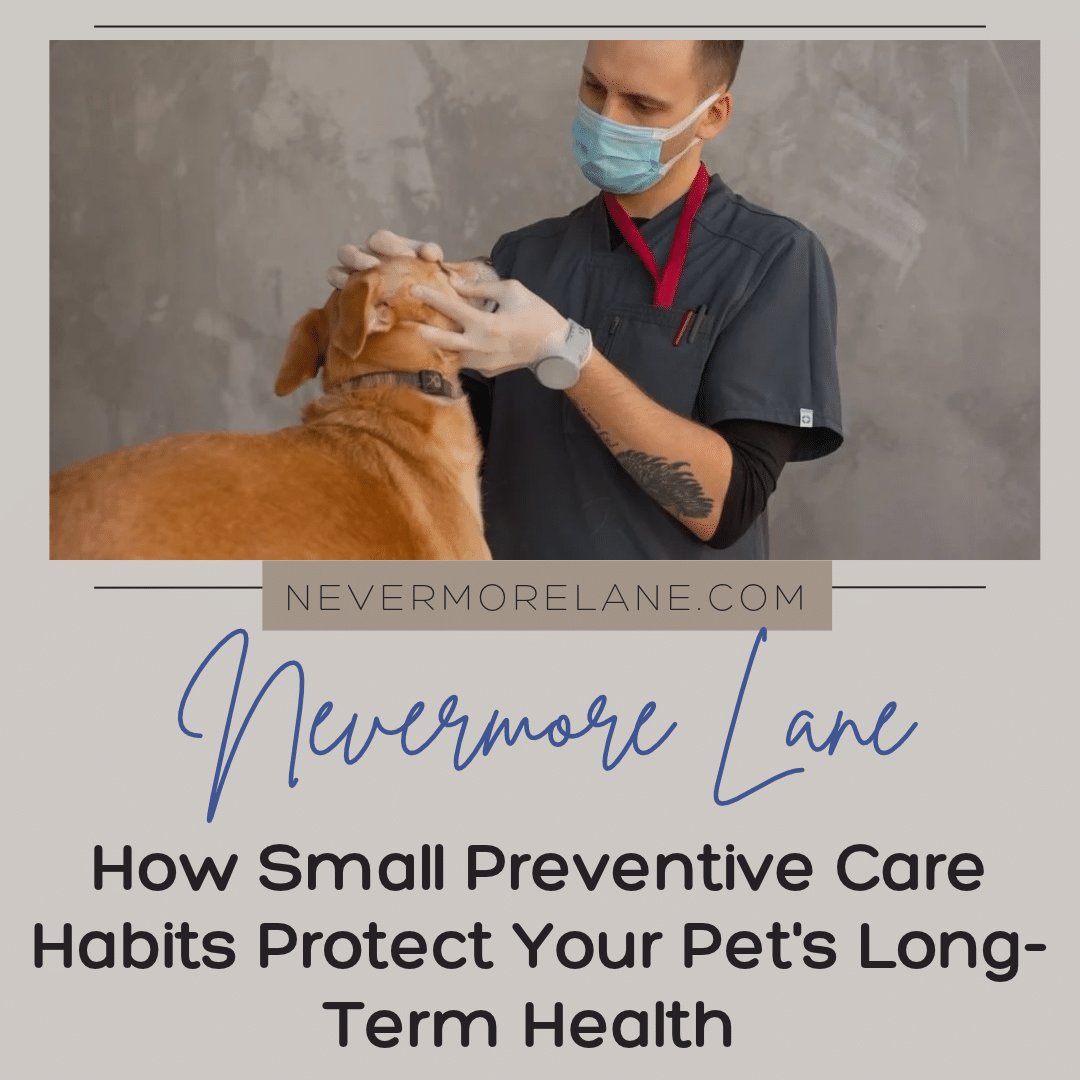
You probably already know vet visits matter when your pet is sick. What gets missed more often is everything that happens before a visible problem starts. Preventive care is where you protect your pet’s comfort, your budget, and your peace of mind at the same time. In a place like Smyrna, where seasonal parasites, warm-weather activity, and close-knit neighborhoods all shape pet health, routine care has a very practical role in everyday life.
Preventive care isn’t just vaccines and a quick exam.
A lot of people hear “preventive care” and think of a yearly shot appointment that lasts fifteen minutes. In reality, it’s a full strategy for reducing risk across your pet’s life stage, environment, and breed profile. A proper wellness plan can include physical exams, vaccine scheduling, fecal testing, heartworm screening, dental checks, nutrition reviews, and parasite prevention.
That matters because many common issues build slowly. Gingivitis starts quietly. Weight gain creeps up over months. Heartworm disease can progress long before your dog acts different. If you’re looking into pet preventative care in Smyrna, the goal isn’t simply checking a box. You’re creating a system that catches subtle changes early, while treatment is simpler and outcomes are often better.
Smyrna’s local conditions make routine prevention more important.
Your pet doesn’t live in a vacuum. Local climate, wildlife exposure, neighborhood density, and outdoor habits all affect what preventive care should look like. In Smyrna, warm temperatures and humidity can support fleas, ticks, and mosquitoes for long stretches of the year. That changes how seriously you need to take parasite control, even if your pet spends most of the time indoors.
Indoor pets still meet risk through open doors, shared hallways, screened patios, grooming visits, and contact with other animals. Dogs that use parks, apartment dog runs, boarding facilities, or walking trails add another layer of exposure. Cats can also pick up parasites, dental disease, and obesity-related conditions without stepping far outside.
A good preventive plan reflects where you actually live. It isn’t based on a generic national checklist. It’s shaped by local disease pressure, your pet’s routine, and the kind of contact they have with other animals.
Early detection changes the cost of care more than most owners expect.
Emergency care gets attention because the bills are dramatic. Preventive care saves money in a quieter way, which makes it easier to underestimate. A routine exam that catches ear inflammation early may prevent a severe infection. A dental check may spot tartar buildup before it leads to extractions. Screening bloodwork can reveal metabolic issues before they become crisis-level conditions.
The financial difference between early intervention and advanced treatment is often huge. Treating a manageable skin issue is very different from addressing a widespread secondary infection. Managing mild weight gain with diet changes is easier than dealing with joint stress, insulin resistance, or chronic inflammation later.
You also save time. Fewer urgent visits means fewer schedule disruptions, less stress for your pet, and fewer moments where you’re making hard decisions under pressure. Prevention works best when you stop seeing it as an extra expense and start seeing it as risk management.
Life stage matters more than people think.
A puppy or kitten doesn’t need the same preventive care schedule as a senior pet, and a healthy adult animal shouldn’t be managed exactly like a newly adopted rescue with an unknown medical history. Age changes everything from vaccine timing to nutrition needs to the frequency of monitoring.
Young pets need structured vaccine series, parasite checks, growth monitoring, and behavior guidance during critical developmental windows. Adult pets need maintenance: body condition scoring, dental surveillance, core vaccinations, and lifestyle-based prevention. Senior pets benefit from closer monitoring because kidney disease, arthritis, endocrine disorders, and cognitive shifts can be subtle at first.
Breed matters too. Large-breed dogs may need careful joint and weight oversight. Flat-faced breeds often need respiratory monitoring. Some cats hide pain so effectively that routine exams become one of the few ways to detect trouble. Prevention gets more useful when it’s customized instead of standardized.
Dental health is one of the most ignored parts of prevention.
Many pet owners notice bad breath and assume it’s normal. It usually isn’t. Persistent odor can signal periodontal disease, which can lead to pain, inflammation, tooth loss, and difficulty eating. Advanced dental disease may also affect systemic health over time, especially in older pets.
The challenge is that pets rarely announce oral pain clearly. They may keep eating while chewing on one side, dropping kibble, or avoiding hard treats. That makes regular oral exams part of serious preventive care, not cosmetic care. Even mild plaque accumulation can become a larger issue if it sits untouched.
At home, brushing helps, but compliance is tough for many households. Dental diets, approved chews, water additives, and professional cleanings can all play a role. The key is consistency and realistic planning. If your pet resists brushing, your next step should be finding alternatives, not giving up on oral care completely.
Parasite prevention needs consistency, not guesswork.
People often pause flea, tick, or heartworm prevention when they stop seeing bugs. That approach creates avoidable gaps. Many parasites are active before you notice them, and some are dangerous long before symptoms appear. Heartworm disease is a prime example. By the time signs show up, treatment is harder on your pet and much more expensive.
Ticks can transmit multiple pathogens, and fleas can trigger skin reactions that spiral into secondary infections. Even intestinal parasites remain relevant for pets that share yards, sidewalks, and common spaces with other animals. Prevention is less about visible infestation and more about breaking transmission cycles.
This is where following a veterinarian’s schedule matters. Product selection depends on your pet’s age, species, weight, and health status. Randomly choosing over-the-counter options based on price or convenience can leave coverage gaps. Good prevention is targeted, regular, and based on actual exposure risk.
The best preventive plan fits your real life.
Perfect care on paper means nothing if it doesn’t match your budget, schedule, and pet’s temperament. The strongest wellness routines are the ones you can actually maintain. If your dog gets anxious at appointments, ask about handling strategies and timing. If monthly medication is hard to remember, use refill reminders or pair doses with a recurring date.
You should also keep a basic health record at home: vaccine dates, weight changes, medications, appetite shifts, stool changes, and behavior notes. Those details help your veterinarian identify patterns faster. Small observations often connect bigger dots.
Preventive care works best when you treat it as an ongoing partnership instead of a once-a-year event. You’re not just reacting to illness. You’re actively shaping your pet’s quality of life, comfort, and longevity in ways that often stay invisible until the day they matter most.