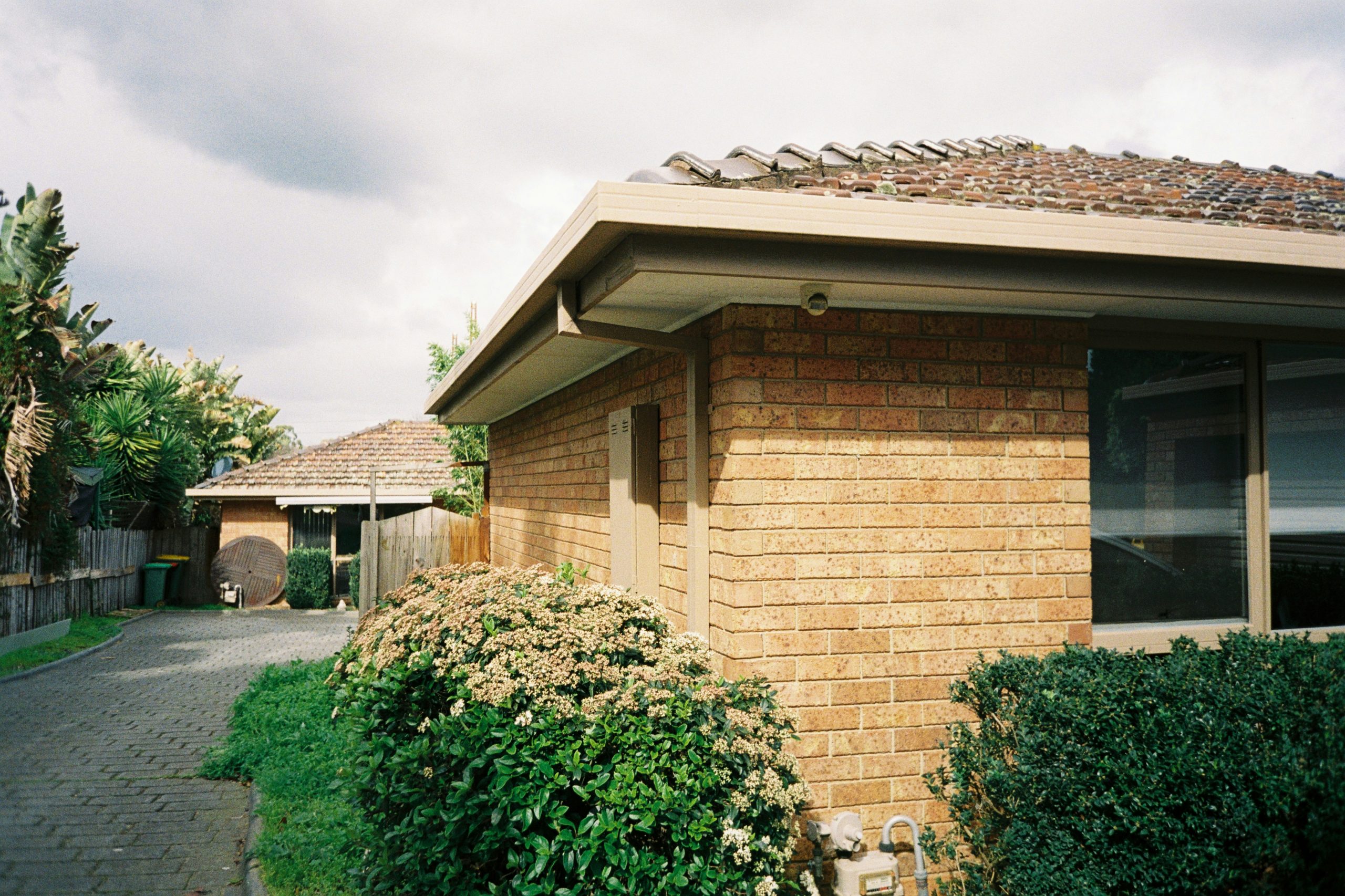
How Detroit, MI Buyers Can Compare Neighborhoods Before Buying a Home

Key Takeaways
- The right Detroit neighborhood depends on daily routines, housing needs, and ownership goals.
- Compare individual blocks and homes, not just neighborhood labels or list prices.
- Taxes, insurance, repairs, utilities, and association fees can materially affect affordability.
- Detroit buyers may encounter single-family homes, condos, cooperatives, multi-family properties, and vacant land.
- Repeated visits and consistent research can reveal details that listing photos cannot.
Start With Your Life, Not a “Best Neighborhood” List
Detroit is a city of distinct housing patterns, streetscapes, and daily routines. A buyer who needs highway access may prioritize a different location than someone seeking a quieter street, a yard, nearby amenities, or a home that needs minimal immediate work. Before narrowing the search, define what must work on an ordinary weekday, not just what looks appealing during a showing.
Local guidance can be useful when the choices include different ownership structures or property conditions. Detroit MI real estate expert Gustaf Andreasen is a Detroit-based REALTOR® whose website describes services for buyers, sellers, investors, first-time homeowners, cooperatives, estates, and developer-related real estate needs. Gustaf Andreasen works across Detroit, the Grosse Pointes, Woodward Corridor communities, and Oakland County, making that local experience relevant when buyers are comparing neighborhoods and homes with very different requirements.
A lower purchase price does not automatically mean lower overall cost. A home that requires a roof, electrical work, drainage improvements, or extensive cosmetic renovation can demand more cash and time than a more expensive home in better condition. Likewise, a beautiful house may not be the right fit if its commute, parking arrangement, or layout makes everyday life harder.
Step 1: Define the Daily Routine
Write down the practical needs that will shape the search. This creates a useful filter before spending weekends touring homes.
- Set a realistic maximum commute time for work, school, family visits, and regular errands.
- Decide whether walking access, transit access, or easy driving matters most.
- Count the vehicles that need dependable parking.
- List space requirements for remote work, hobbies, guests, pets, storage, or a growing household.
- Identify whether the outdoor space is essential or simply preferred.
- Be honest about whether you want a finished home or have the budget and patience for renovation.
Step 2: Compare Transportation and Everyday Access
Test the routes you would actually use. Drive or ride them during the hours that matter most, then consider grocery trips, medical appointments, recreation, and visits to friends or family. A route that feels easy on a quiet weekend can feel very different at rush hour or during a major event.
For each candidate area, check street parking, traffic volume, nearby construction, sidewalks, lighting, and access to daily services. If winter driving is a concern, consider how the route, parking setup, and entry to the home may work during snow and ice. Convenience affects both daily comfort and the range of future buyers who may consider the property.

Step 3: Match the Neighborhood to the Housing Type
Detroit’s housing choices are not limited to detached houses. Buyers should understand the ownership model and ongoing responsibilities behind each option.
- Single-family homes: These generally offer more privacy and control, while placing exterior maintenance and repair decisions on the owner.
- Condominiums: Condos can include shared maintenance, monthly dues, rules, reserves, and the possibility of special assessments.
- Cooperatives: Co-ops use a different ownership structure and may involve membership requirements, board review, and financing considerations.
- Multi-family properties: These may provide separate living space or rental potential, but they also create management, maintenance, and compliance responsibilities.
- Vacant land: A lot can offer flexibility, but buyers should investigate zoning, utilities, permitting, financing, and construction costs before treating it as a simple alternative to an existing home.
Step 4: Study the Actual Housing Stock
Neighborhood averages cannot tell you whether a specific house is well-maintained. Compare the age, size, layout, and visible condition of homes on the streets you are considering. Older homes can offer character and durable original features, but buyers should also look closely at roofs, foundations, plumbing, electrical systems, windows, insulation, and water management around the property.
Ask about improvements, renovation dates, and permits when appropriate. A recent kitchen update may be attractive, but it should not distract from systems that are near the end of their useful life. An inspection remains an important part of evaluating a property, particularly when a home has been vacant, substantially renovated, or shows signs of deferred maintenance.
Step 5: Visit Each Block More Than Once
A neighborhood name covers many streets, and each block can feel different. Return to your leading choices several times before making an offer:
- Visit on a weekday morning.
- Return in the afternoon.
- Drive through after dark.
- Check the area on a weekend.
- Walk nearby streets when it is safe and practical.
Notice noise, parking availability, traffic, property upkeep, drainage, nearby commercial activity, vacant structures, and active renovations. Listen for rail lines, highways, nightlife, industrial activity, or other recurring sounds. One visit should start the research, not end it.
Step 6: Calculate the Full Cost of Ownership
The monthly mortgage payment is only one part of the budget. Build a monthly estimate that includes principal and interest, property taxes, homeowner’s insurance, utilities, routine maintenance, parking or transportation costs, and any condominium or cooperative fees. Set aside a separate two-year repair reserve for items that may need attention soon after closing.
Taxes deserve a close review because property assessments, ownership changes, exemptions, and improvements can affect future bills. Buyers can use the City of Detroit’s property assessment information to understand available assessment materials and prepare more focused questions for their lender, agent, assessor, or tax professional.
Step 7: Use Neighborhood Data Carefully
Data is helpful when it leads to better questions. Review recent comparable sales, active listings, pending listings, property records, tax history, and available permit information. Look beyond broad citywide averages, since housing conditions and buyer demand can vary substantially from one location to another.
For a broader view of local conditions, the Detroit Voices Data Dashboard allows users to explore neighborhood-level information related to housing, jobs, schools, healthcare, and resident experiences. Use tools like this to add context, not to replace an in-person visit, professional inspection, or property-specific due diligence.
Step 8: Use a Simple Home Comparison Scorecard
Apply the same questions to every home. A consistent scorecard can keep fresh paint, staging, or dramatic listing photos from outweighing more important factors.
- Location: Does the area support the buyer’s commute, errands, and preferred routine?
- Condition: What repairs or replacements may be needed in the first two years?
- Monthly cost: What is the likely total after taxes, insurance, utilities, and fees?
- Layout: Will the home still work if the household needs change?
- Block fit: Does the street feel comfortable at different times of day?
- Future appeal: Does the home have practical features that may appeal to future buyers?
Common Questions Detroit Buyers Ask
How many neighborhoods should I compare?
Starting with three to five areas is often manageable. That range gives buyers enough variety to compare commute, housing type, condition, and cost without making the search too scattered.
Should I focus on the neighborhood or the house?
Both matter. A strong location does not eliminate the risk of serious property defects, and an appealing house may not fit if the daily routine or full ownership cost is unsustainable.
What should I check before making an offer?
Review comparable sales, taxes, inspection issues, insurance availability, permits, association documents when applicable, expected repairs, and nearby traffic or development conditions.
Make the Choice With Evidence
A thoughtful Detroit home search is built through small, repeatable checks. Compare your daily routine, visit real blocks at different times, inspect the home’s condition, calculate the complete cost of ownership, and use local information carefully. That slower process can help you choose a home that works beyond the first impression.