Fitness in Your 30s: Simple Habits That Make a Big Difference
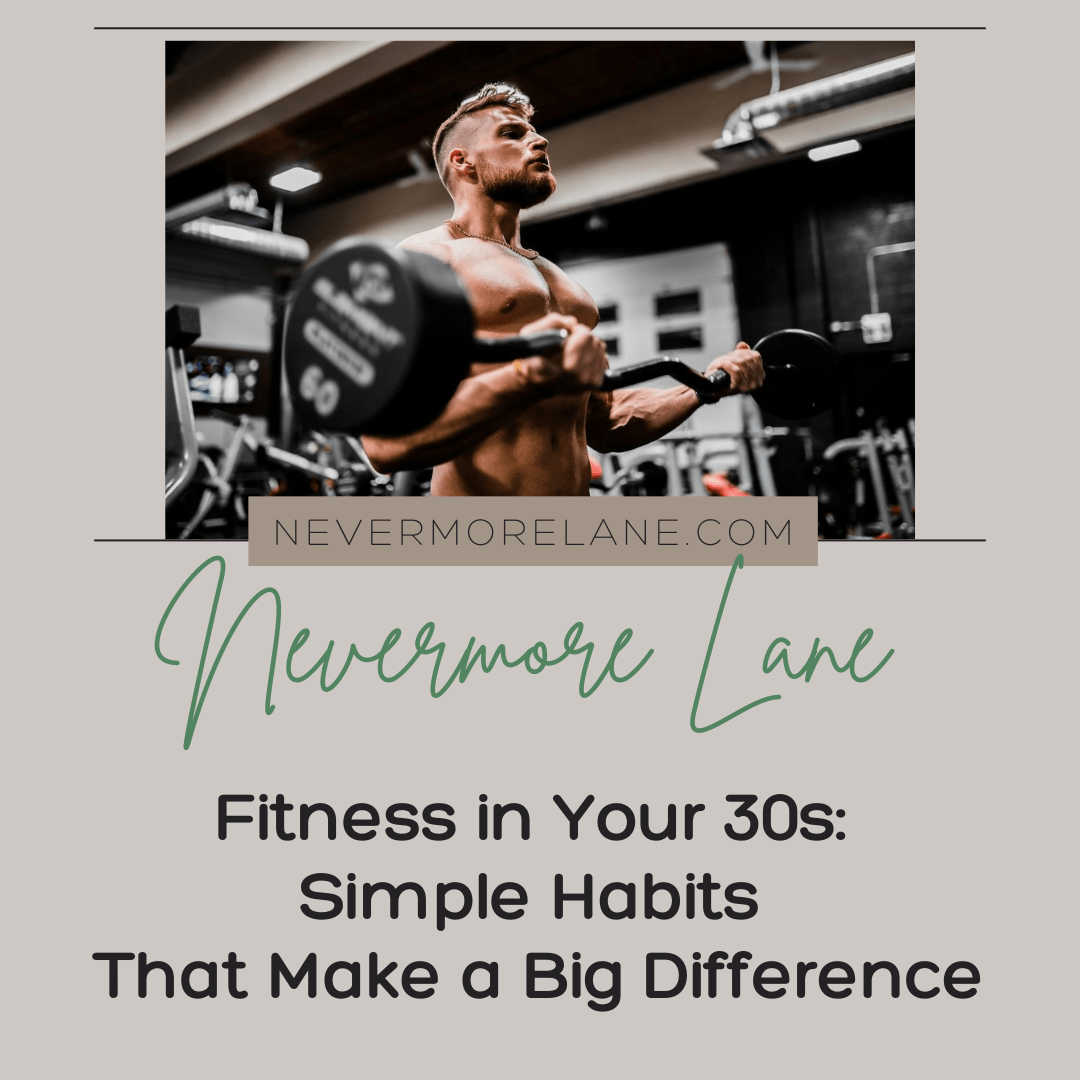
Your 30s tend to shift the way your body responds to effort. Recovery takes longer, sleep becomes more valuable, and stress carries physical consequences that are harder to ignore. Career growth, relationships, and expanding responsibilities leave less room for trial and error with your health. Small daily choices begin to shape your energy, strength, and confidence in visible ways.
Quick fixes lose their appeal during this decade. Sustainable routines start to matter more than intense bursts of motivation. Strength sessions that protect muscle, meals that support stable energy, and sleep habits that improve recovery all play a larger role than they once did. Progress comes from stacking simple behaviors that fit naturally into your week. Miami’s active culture makes this mindset easier to embrace. The pace of life encourages movement, outdoor activity, and visible confidence. That atmosphere reinforces the idea that fitness is not a short phase but a lifestyle.
Strength Training as a Foundation
Muscle mass gradually declines after 30, and that decline affects metabolism, posture, and overall resilience. Strength training acts as insurance against that shift. A structured plan protects lean muscle while supporting joint stability and bone density.
Compound exercises deliver the most return for your time. Squats, deadlifts, presses, and rows engage multiple muscle groups and improve coordination. Three well-planned sessions per week can maintain and even build strength without overwhelming your schedule. Quality matters more than volume. Progression keeps results steady. Increasing resistance slightly, refining technique, or adding controlled repetitions challenge the body without pushing it into burnout.
A Gym Environment That Supports Consistency
Environment shapes behavior more than motivation alone. A well-structured training space reduces decision fatigue and increases follow-through. Clear programming and knowledgeable coaching provide direction when energy runs low.
If you’re looking for a reliable gym Miami has several options that fit busy schedules and realistic, diverse fitness goals. Flexible membership plans, accessible equipment, and supportive staff create an atmosphere that feels welcoming rather than overwhelming. Group classes, personal training options, and clean, organized facilities make it easier to stay committed week after week.
Mobility and Joint Health
Tight hips, stiff shoulders, and lower back tension become more noticeable during this stage of life. Hours at a desk and reduced spontaneous movement contribute to a restricted range of motion. Mobility work addresses those limitations before they turn into pain. Short, focused sessions produce meaningful improvement. Ten minutes of controlled stretching in the morning can improve posture throughout the day. Dynamic warmups before strength sessions prepare joints for load and reduce strain.
Controlled breathing paired with mobility drills enhances relaxation and muscle control. Greater flexibility supports better lifting mechanics and smoother everyday movement. Small adjustments prevent the nagging discomfort that can derail momentum.
Nutrition That Matches Changing Metabolism
Energy balance shifts gradually in your 30s. The same eating patterns that once maintained weight may now lead to slow gain or inconsistent energy. Intentional nutrition helps stabilize those changes.
Protein intake becomes especially important for preserving muscle mass. Balanced meals that include fiber, healthy fats, and whole carbohydrates create sustained energy rather than short spikes. Planning meals reduces impulsive decisions during busy days. Hydration plays a quiet yet essential role. Adequate water intake supports digestion, workout performance, and recovery. Small nutritional adjustments compound over time, improving both body composition and mental clarity.
Sleep as a Performance Tool
Sleep influences nearly every system involved in fitness. Hormone regulation, muscle repair, appetite control, and cognitive focus all depend on quality rest. Sacrificing sleep for productivity eventually undermines physical results.
Seven to eight hours each night supports recovery from strength training and reduces cravings driven by fatigue. Evening routines that limit screen exposure and create a calm environment improve sleep depth. Regular sleep schedules reinforce circadian rhythm and stabilize energy throughout the day. Strong workouts and balanced nutrition lose effectiveness without adequate recovery.
Stress Management and Hormonal Balance
Stress carries more physical impact during your 30s than it once did. Work pressure, financial responsibilities, and personal commitments can quietly elevate cortisol levels. Persistent tension interferes with recovery, increases cravings, and makes fat loss more difficult.
Intentional stress management protects your progress. Short daily walks clear mental fatigue and improve circulation. Structured breathing exercises calm the nervous system and support better focus. Journaling or quiet reflection at the end of the day creates space to reset before sleep. Training intensity also needs balance. Pushing hard every session can amplify stress rather than relieve it. Alternating challenging workouts with lighter recovery days keeps hormones more stable and reduces burnout. A steady rhythm allows your body to adapt instead of constantly defending itself.
Consistency Over Intensity
Ambition often leads people to extreme programs. High-volume training plans and restrictive diets promise fast transformation. Results may appear quickly, yet they rarely last. Sustainable habits create stronger outcomes across months and years.
Moderate intensity performed consistently delivers measurable change. Three solid workouts each week outperform occasional bursts of daily sessions followed by burnout. Balanced nutrition, practiced most of the time, supports body composition more effectively than cycles of restriction and overeating. Tracking progress reinforces commitment. Recording lifts, noting energy levels, and monitoring recovery keep improvement visible. Small gains build confidence and prevent frustration.
Community and Accountability
Support influences follow-through more than willpower alone. Shared goals and structured interaction create momentum. Training alongside others introduces positive pressure that keeps attendance steady.
Group sessions add energy to the experience. Friendly competition encourages effort without turning workouts into stressful events. Celebrating progress together strengthens motivation and reinforces commitment. Coaches and training partners provide perspective during plateaus. Constructive feedback improves form and prevents stagnation. Encouragement during challenging phases keeps long-term goals in focus.
Fitness in your 30s thrives on intention rather than extremes. Strength training protects muscle and confidence. Mobility work supports joint health and daily comfort. Balanced nutrition fuels performance and stabilizes energy. Sleep and stress management reinforce recovery and hormonal balance. Consistency and community hold everything together.
Each habit stands on its own, yet their combined effect reshapes how you feel and perform. Progress becomes steady rather than rushed. Energy improves, resilience increases, and confidence grows in a way that feels earned. Simple routines practiced daily create lasting change. Your 30s offer the opportunity to build a foundation that supports decades of strength and vitality.