A Warm, Nature-Inspired Holiday Home: Room-by-Room Ideas

Table Of Contents
- Set the Mood Before Adding Decor
- Choose a Calm Holiday Color Palette
- Use Natural Textures as the Foundation
- Decorate Each Room with Intention
- Keep Seasonal Decor Safe and Practical
- Avoid Common Decorating Mistakes
- Use a Simple Final Checklist
- Conclusion
A holiday cottage that focuses on nature is inviting since it combines the texture, color, and rituals that already make an area cozy. Instead of replacing your daily living style, remember to use seasonal blankets to make your home warm. Some carefully chosen fall decor elements can also easily follow through with the coming winter months since they concentrate on wood, plants, textiles, and lightly saturated shades.
The goal is not to ornament every free surface but to create some moments to remember in the house while keeping the rooms functional for relaxing, cooking, socializing, and moving in day-to-day life. Start with a simple plan and let each room express calm, seasonal mind.
Set the Mood Before Adding Decor
Decide how you want the home to be before buying home decor or unpacking boxes. There are many directions but having the main one simplifies decisions. Consider the existing furniture, colors of the walls, and how much sunlight enters your home.
By ensuring that the festive items fit into your usual decor scheme, you can also keep the space free of clutter. An item that does not fit with the space in terms of color, size, or function is usually avoided. This strategy makes the decoration process easier and allows for making improvements year after year.
Choose a Calm Holiday Color Palette
Choose two dominant hues and a single accent color to achieve some synchronicity. Pair evergreen and cream with a muted red or brown and charcoal with soft gold; either combination will be inviting without turning off the whole area. Use equal shades in various ways throughout the entryway, living room, dining area, and bedrooms.
Light colors can give a feeling of space to a small room, while dark shades can provide details and boundaries to a bigger area. Metal finishes work well as a supporting element rather than being predominant. A few brass candleholders, gold ribbons, or vintage metal bells create a gentle shine without ruining the displays.
Use Natural Textures as the Foundation
Texture provides depth for seasons without the need for additional decorations. This technique entails combining multiple textures such as rough, smooth, soft, and shiny. For instance, layering a wooden tray, wool blanket, ceramic vase, and glass lantern will yield more visual interest than the same, identical decoration.
- Use wooden bowls, trays, ornaments, and small stools.
- Bring in wool, cotton, linen, knitted fabrics, and woven baskets.
- Add pinecones, branches, dried orange slices, berries, or evergreen clippings.
- Balance natural materials with ceramic, stone, clear glass, or aged metal.
Decorate Each Room with Intention
Create a Welcoming Entryway
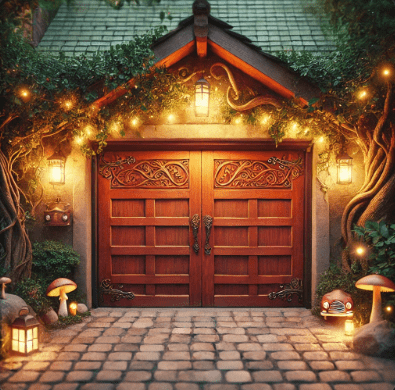
Decorate the entry with a seasonal wreath, bamboo arrangement, or a small console set up. Ensure the path is clear so the door opens freely. A glove and scarf basket will provide some storage while adding another layer of texture.
The use of warm, battery-operated lights will give your room a softly lit atmosphere without overpowering the small space.
Warm Up the Living Room
Keep an eye out for communal locations. Make the couch or armchairs attractive by placing a decorative throw on them, decorate the coffee table with indoor plants, and interchangeably place small knick-knacks on a tray. You may also succeed in decorating a relaxed sitting room with only one flower arrangement or a few wooden items.
Build a Simple Mantel Display
- Start with one long base layer, such as greenery, fabric, or a bare branch.
- Add a taller object near each end, such as a lantern or vase.
- Place a few medium-height items toward the center.
- Fill only small gaps with pinecones, berries, or ornaments.
- Step back, then remove anything that makes the arrangement feel crowded.
Perfect symmetry is not necessary. Balance the mantel through height, color, and visual weight instead. A relaxed arrangement often feels more natural than matching every object on both sides.
Create a Relaxed Holiday Table
Start by using a runner, some placemats, or even just a bare wood tabletop. Aim to keep the décor low enough that people can easily see each other. Everyday dishes can be dressed up with a fancy tablecloth, a few twine ropes, cards with a name written on it, or even just a little bit of greenery. If open flames are a problem or there are children around, using flameless candles is a good alternative.
Add Soft Details to Bedrooms and Outdoor Spaces
The bedroom requires only a few seasonal changes such as a winter throw, small wreath, or bowl of pine cones. Select soft bedside lamps and keep the scent mild. On the exterior, echo one or two of the colors used indoors with wreaths, planters, lanterns, or green branches that complement the season outside. Make sure to secure your lightweight decorations so the wind does not blow them away.
Keep Seasonal Decor Safe and Practical
Even though beautiful decorations are nice, holiday decorations should be safe for your home. The basic safety tips for decorating for the holidays involve checking for damaged lights and keeping candles away from anything flammable. Only use indoor lights for indoor decorating and outdoor lights for outdoor decorating, and remember not to overload outlets and keep wires out of pathways.
For those who choose to use a live tree, be sure to keep it watered and far from heat sources such as fireplaces or torches. Following the holiday safety tips for fires, trees should be kept away from exits and lights should be turned off before leaving the house or going to bed. Also remember to keep small or fragile ornaments out of reach of small kids and animals.
Avoid Common Decorating Mistakes
- Return to your two main colors and one accent.
- Group a few pieces together instead of scattering them.
- Give each room one feature, such as a mantel, table, or entry console.
- Keep doors, dining surfaces, seating, stairs, and counters usable.
- Repeat one color, material, or shape to make varied pieces feel intentional.
Use a Simple Final Checklist
- Will each of the rooms be made in a way where the main focus will be visible?
- Is it possible to use the colors relevant to the season together with what is already there?
- Is the arrangement of space and the design of the furniture suitable in terms of convenience?
- Can we guarantee that there will be no danger in having candles, wires, lights, and fragile items placed in the space?
- Is there enough uncluttered territory for the decoration to be perceived as relaxing?
- Will the items be easy to pack after the event?
Our Final Thoughts
There is no need to completely start anew when creating a home for a holiday. One can always make use of a suitable color palette and textures, as well as a good choice of furniture and lighting in order to obtain a cozy atmosphere in any room.