7 Tips for Matching a Rental Bike to Your Riding Ability and Trail Choice
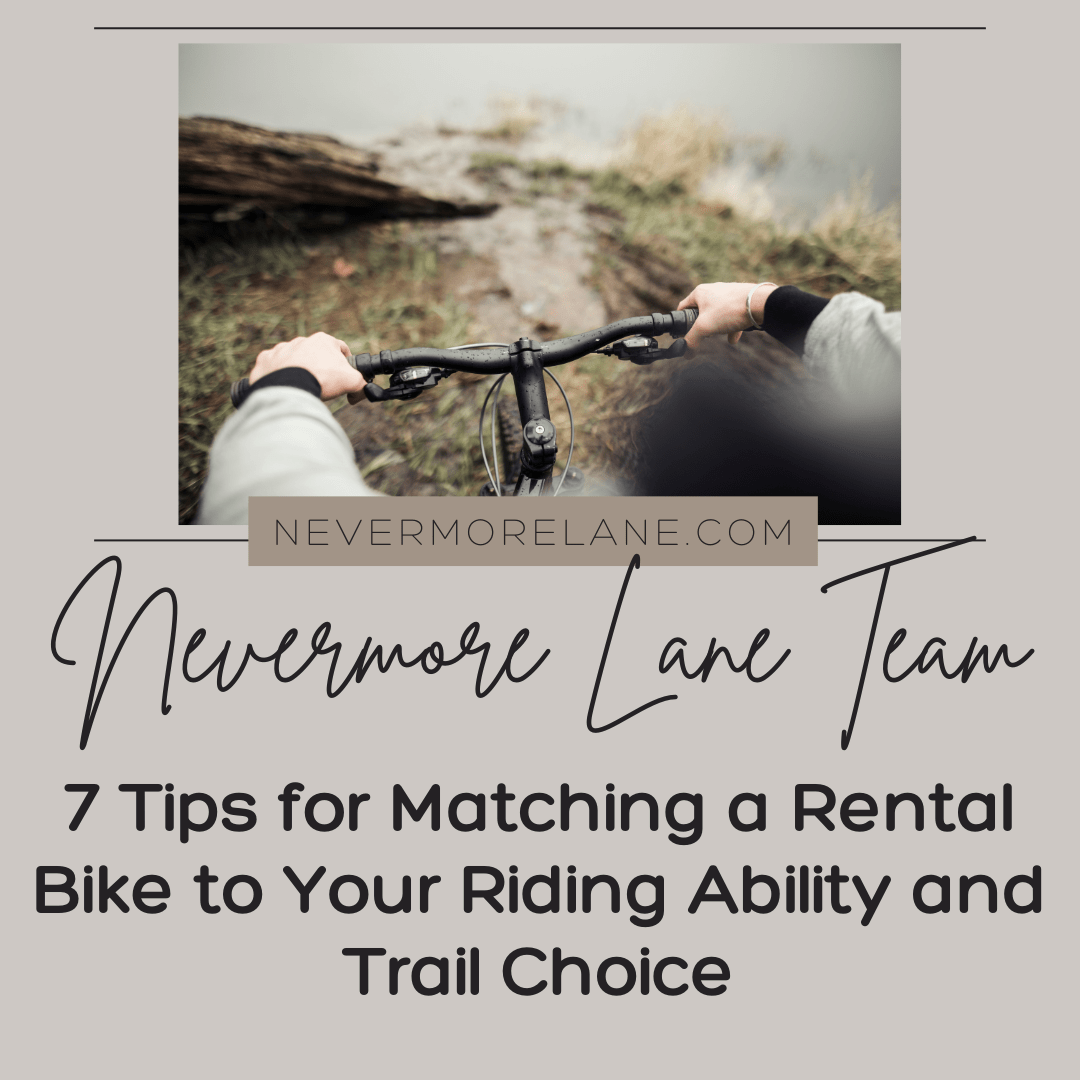
A cyclist’s paradise, New Zealand offers everything from smooth urban cycleways and iconic rail trails to root-filled forest tracks and purpose-built mountain bike parks. That variety is part of what makes cycling here so rewarding. At the same time, it also means the bike you choose matters more than you might expect. A rental bike that suits the trail and your riding ability helps you feel confident and in control from the first kilometer to the last. Your choice can easily spell the difference between an exhilarating ride and a frustrating one.
Here’s how to make the best choice.
1. Start with an Honest Look at Your Riding Ability
The first step is understanding your own skill level. This means asking yourself how comfortable you are on different types of terrain. If you primarily ride flat paths or urban cycleways, for instance, you’ll want a stable, easy-to-handle bike. Experienced riders who tackle technical climbs and fast descents can handle bikes with more advanced suspension and gearing.
Being realistic about your abilities not only improves your enjoyment but also keeps you safe. Consider discussing with a reliable provider that offers bicycle rentals so they can recommend bikes that suit your experience as well as your comfort and confidence levels.
2. Consider the Type of Trail You Plan to Ride
Keep in mind that not all bikes are suited to every trail. Smooth cycleways and scenic rail trails require different features than forest tracks or mountain bike parks. Here are practical strategies for matching trails with the right bikes:
- Sealed roads and easy trails: Lightweight bikes with efficient gearing allow you to cover longer distances with less effort.
- Gravel or mixed terrain: Wider tyres and a relaxed riding position provide stability and comfort over uneven surfaces.
- Technical mountain trails: Bikes with suspension travel and robust brakes help you tackle roots, rocks, and drops with confidence.
Knowing your route in advance helps you pick a bike that matches the terrain rather than leaving you guessing on the day.
3. Match the Bike Style to the Riding Environment
Bike style directly affects how you handle different trails. Hardtail mountain bikes are ideal for beginners or intermediate riders on moderate trails, as these provide control without overcomplicating things. Full-suspension bikes are better for rougher, more technical terrain and are known for offering extra comfort and stability.
For rail trails, scenic loops, or city cycling, hybrids and e-bikes offer efficiency and ease. An e-bike, in particular, can extend the distance you cover without tiring you out, which is perfect if you’re exploring Queenstown’s vast trail networks. Such a bike is particularly popular among riders looking to enjoy a longer adventure with minimal strain.
4. Prioritise Comfort and Fit
Even the best bike can feel awkward if it isn’t properly sized. Frame height, saddle position, and handlebar reach all affect your ride. A good fit makes it easier to control the bike and reduces fatigue.
A bike rental provider can ensure that every bike is adjusted to your height and riding style before you head out. Small tweaks, like adjusting saddle height or handlebar position, can make a big difference, especially on longer rides.
5. Focus on Confidence and Control
When exploring unfamiliar trails, stability and predictability matter more than speed. A bike with good handling and reliable brakes allows you to enjoy the ride while staying safe. As such, if you’re new to mountain biking or tackling a technical trail for the first time, choose a bike that gives you a sense of control. Feeling secure on your bike lets you concentrate on the scenery and skills rather than worrying about handling.
6. Leverage Local Knowledge
Local expertise can transform your ride, and you can count on bicycle rentals if you want information about the local trails. The rental shop’s staff can advise you on bike choice and trail difficulty, and they can also let you know about current conditions. This is important because conditions can change quickly in New Zealand, depending on the season, rainfall, and track maintenance. Having that insight helps you choose the right bike.
7. Define Your Goals for the Ride
Finally, consider what you want to get out of your ride. Are you aiming for a relaxed loop, a long-distance adventure, or a technical challenge? Your goals influence whether you should prioritise comfort, speed, or performance.
Communicating this with your bike rental provider helps match you with a bike that enhances the experience rather than creating frustration. For instance, if your plan is a full-day rail trail journey, an e-bike or hybrid may be more suitable than a heavy full-suspension mountain bike.
Considering factors such as your riding ability, trail type, bike style, and comfort helps you confidently choose the right rental bike for your adventure. Taking the time to assess these elements not only ensures a smoother, safer ride but also maximizes your enjoyment. Ultimately, thoughtful preparation and bike selection can help transform a simple outing into a memorable journey, giving you the confidence and freedom to explore new trails and to push your limits safely.