5 Signs You Might Genuinely Benefit From Lower Blepharoplasty Surgery
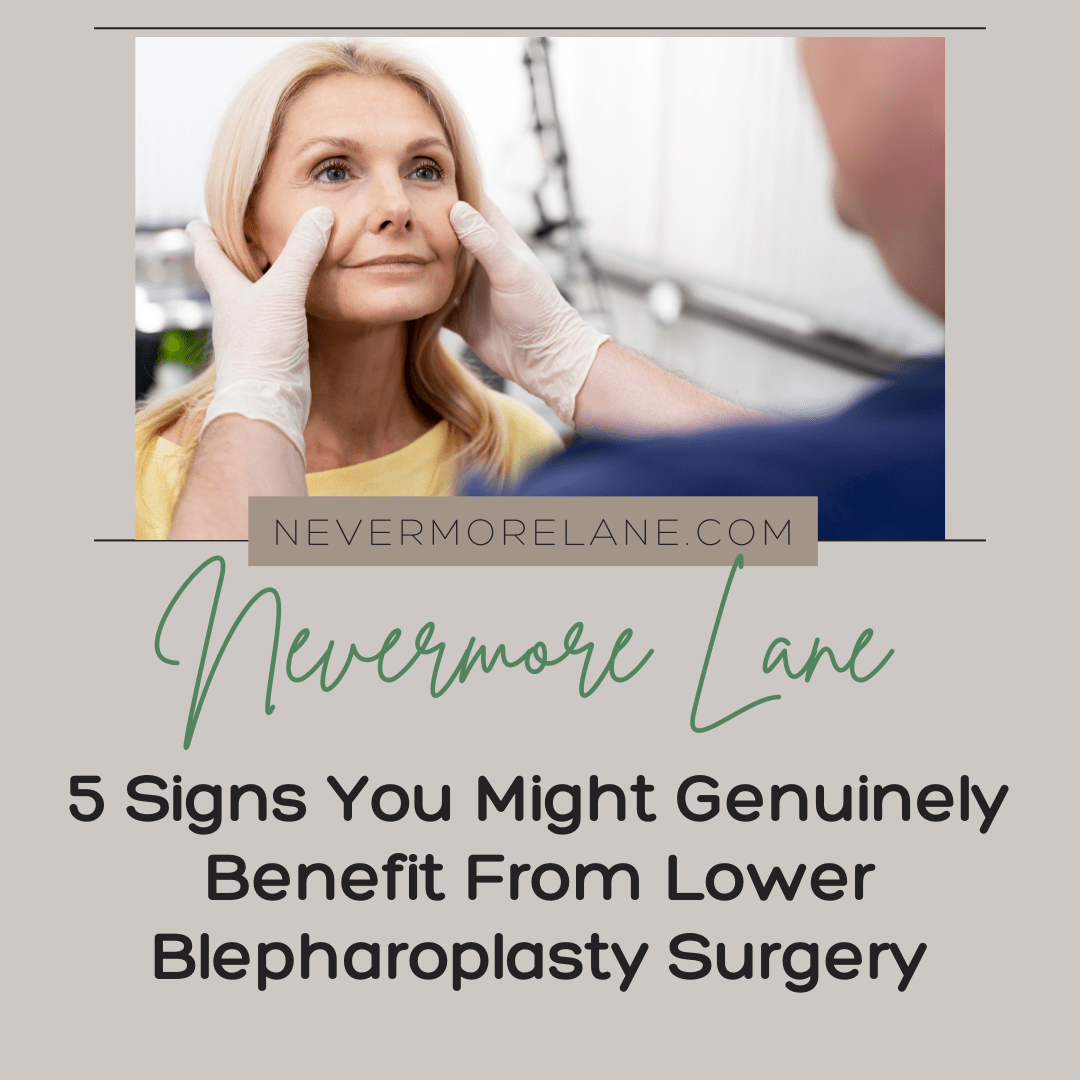
Under-eye bags and hollows have a funny way of making even a good night’s sleep look pointless. You wake up rested, but the mirror tells a different story, tired, aged, puffy, no matter how many hours you actually slept. For a lot of people in Dallas, this is not about vanity so much as wanting their reflection actually to match how they feel inside.
Lower blepharoplasty, a surgery focused on the lower eyelids, has become one of the more common ways people address this mismatch. Here are five signs that this procedure might genuinely be worth looking into, along with what tends to separate a good candidate from someone who should wait.
1. Under-Eye Bags Never Go Away
Everyone has puffy mornings occasionally, but persistent under-eye bags that show up regardless of sleep, hydration, or skincare routine usually point to something structural rather than temporary. Fat pads beneath the eyes can shift or bulge forward with age, creating a permanent puffiness that creams and concealers simply cannot fix.
This is one of the most common reasons people start researching surgical options in the first place. When the puffiness is caused by fat pad position rather than fluid retention or lack of sleep, no amount of lifestyle adjustment will resolve it on its own, which can be frustrating for anyone who has genuinely tried everything else first.
2. Dark Hollows Make You Look Exhausted
Hollowing under the eyes creates shadows that can make even a well-rested person look drained. This happens as the skin and supporting tissue thin out over time, and it often gets worse when paired with bulging fat pads just above the hollow, creating a double-contour look that is hard to correct with makeup alone.
Cosmetic procedures targeting the eye area have grown steadily in recent years, as more people look for ways to address this specific combination of hollowing and puffiness. According to the American Society of Plastic Surgeons, eyelid surgery consistently ranks among the most requested facial procedures nationwide, reflecting how common these under-eye concerns actually are across a wide range of ages.
3. Your Eyes Look Older Than You Feel
There is often a real gap between how old someone feels and how tired or aged their eyes make them look to others. Sagging lower eyelid skin, combined with puffiness or hollowing, can add years to someone’s appearance in a way that feels disconnected from how they actually feel day to day, especially for people who otherwise stay active and take care of themselves.
A few signs this gap has become noticeable:
● People frequently ask if you are tired, even after a full night’s sleep
● Photos consistently look more aged around the eyes than in person
● Makeup that used to hide puffiness no longer works as well
Noticing this pattern repeatedly, rather than just once or twice, is usually what pushes people to look into their options more seriously.
4. Nonsurgical Options Have Stopped Helping
Fillers, skincare, and lifestyle changes can only do so much once fat pads have shifted or skin has lost significant elasticity. Many people try these routes first, and rightfully so, since they are less invasive and easier to reverse if they do not work out as hoped. But once those options plateau, surgery becomes a more realistic next step worth researching further.
For patients weighing that decision, looking into lower blepharoplasty in Dallas at Abbott Aesthetics can offer a clearer sense of what a surgical consultation actually involves, since board-certified oculoplastic specialists focus specifically on this delicate area.
A consultation also helps determine whether the concern is caused primarily by excess fat, skin laxity, volume loss, or a combination of factors. That distinction matters because the most effective treatment plan depends on the underlying cause rather than the appearance alone, and not every patient will benefit from the same approach.
5. You Have Realistic Expectations and Good Health
Being a strong candidate for this kind of surgery is not just about wanting the results, it is also about overall health and mindset. Surgeons generally look for candidates who are in good physical health, do not smoke (or are willing to stop temporarily), and have a clear, realistic picture of what surgery can and cannot achieve.
This procedure will not stop the natural aging process entirely, but it can meaningfully reset the appearance of the lower eyelids for years, often with results that hold up remarkably well over time. Patients who understand this distinction tend to walk away from surgery far more satisfied than those expecting a permanent halt to aging altogether.
Timing Matters More Than People Expect
There is no single “right age” for this procedure, since under-eye changes progress differently for everyone. Some people notice fat pad bulging in their late twenties, while others do not see significant changes until well into their forties or fifties.
What matters more than age is how much the concern bothers you day to day, and whether it has reached a point where nonsurgical options genuinely are not keeping up. Waiting until you feel truly ready, rather than rushing a decision, tends to lead to better satisfaction with the outcome.
Our Final Thoughts
Recognizing these signs early does not mean surgery is the only path forward, but it does mean it is worth a real conversation with a specialist. A consultation can clarify whether your specific combination of puffiness, hollowing, or skin laxity is something surgery can meaningfully improve, and whether now is the right time to consider it.
There is no rush to decide anything on the spot. Gathering information now, even if you are months or years away from actually scheduling a procedure, makes the eventual decision feel far less overwhelming.