Yard Planning Decisions That Eventually Require Tree Removal
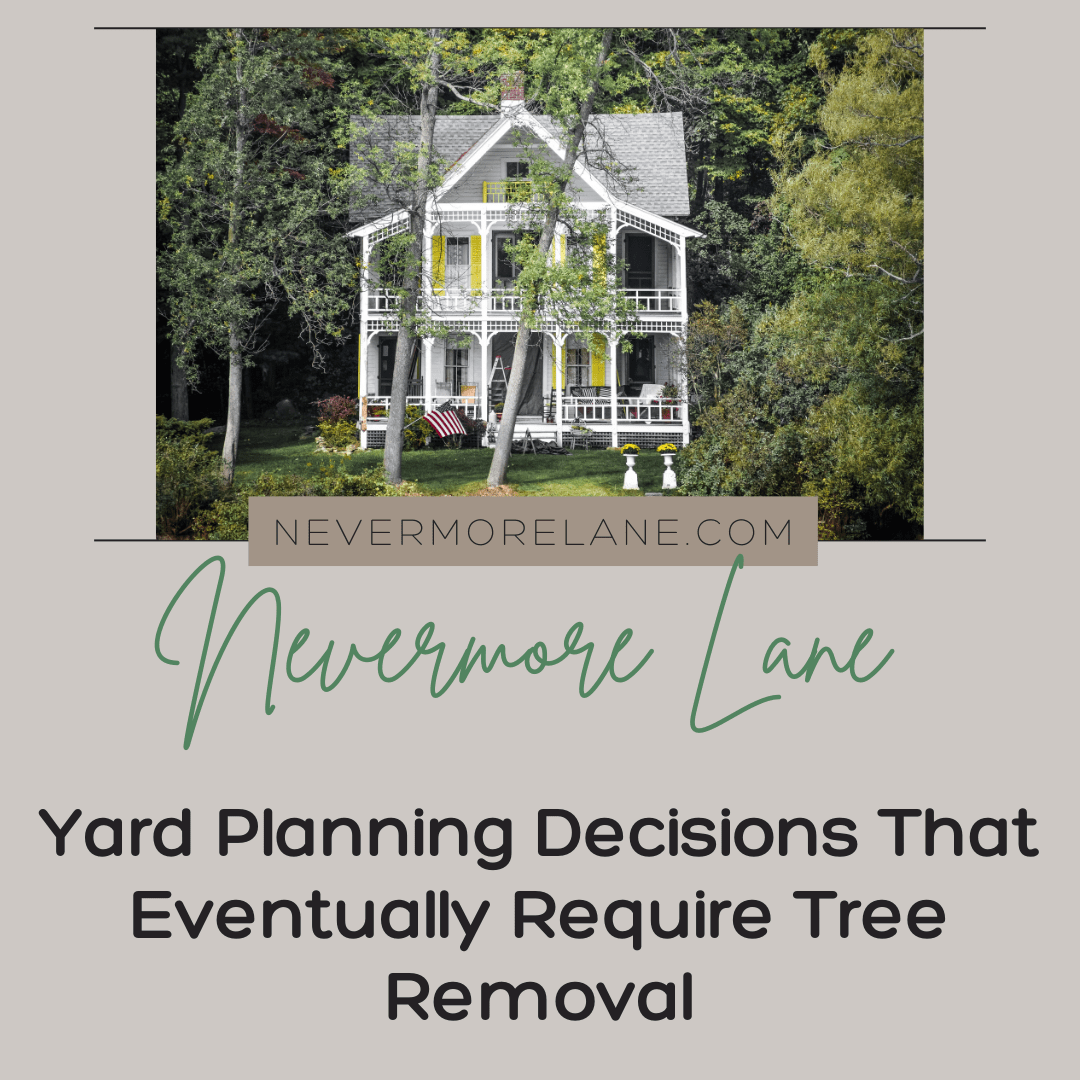
Tree placement decisions made during yard planning can change how a property functions years later. A sapling planted close to a roofline, patio, or driveway may seem harmless at first, yet decades of canopy growth and root expansion can eventually reach shingles, lift sections of concrete, or crowd drainage areas around the home.
Early planning helps prevent these conflicts as trees mature. Reviewing mature height, canopy width, root spread, and nearby structures before planting allows homeowners to position trees where they can grow without interfering with roofs, walkways, or future upgrades such as patios or solar panels. When a tree eventually outgrows its location or begins affecting structures, removal handled by a tree service company becomes a practical option worth evaluating.
Tree Placement Near Structures
Rooflines, gutters, patios, and driveways leave limited space for a large tree to mature. When a large species grows too close to the house, branches can scrape shingles and drop debris that clogs gutters, while roots stretch under concrete and lift edges over time. Canopy spread above ground and root reach below ground both expand far beyond the tree’s size at planting.
A tight planting spot can turn routine upkeep into a steady cycle of roof patching, gutter cleaning, and hardscape repairs. Once limbs touch roofing or roots push up walkways, homeowners weigh ongoing repair costs against removing the tree. Checking mature size and leaving extra clearance around structures keeps long-term options open.
Overcrowded Yard Layout
Trees planted too close together create long-term competition for light, air circulation, and canopy space as they mature. Limited spacing forces branches from neighboring trees to overlap, which reduces sunlight exposure and restricts airflow through the canopy. Growth then shifts upward rather than outward, producing taller trunks, narrower crowns, and limbs more vulnerable to breakage or friction where branches meet.
Restricted spacing also complicates routine yard care. Pruning access becomes limited, and selective cuts must avoid stressing several trees at once. Reduced sunlight weakens turf coverage, slows garden growth, and allows shaded areas to remain damp after rain. Removing one or two trees can restore light, improve airflow, and reopen space for healthy lawn growth, planting beds, and more manageable maintenance across the yard.
Species Selection Errors
Species that appear manageable when young can exceed the physical limits of a residential lot as they mature. Many shade varieties reach heights above 60 feet with canopy spreads between 40 and 70 feet, while root systems may extend two to three times the width of the crown. Limited yard width, nearby foundations, and paved surfaces leave little margin for that scale of growth.
Mature canopy size can change sunlight patterns across the property and interfere with structures or energy systems. Large crowns may shade solar panels, reduce light reaching vegetable gardens, and extend over patios or walkways. Trimming may control branch spread temporarily but introduces recurring maintenance. Selecting species based on mature height, canopy width, and root expansion allows the yard to remain functional without crowding structures or reducing usable outdoor space.
Construction and Infrastructure Conflicts
Patio pours, driveway replacements, trenching for utilities, and home additions can bring excavation close to established trees. Roots often extend well beyond the trunk, so digging several feet away may still cut major supports and feeder roots. When this happens, the tree can lose anchoring strength and struggle to absorb water even if the canopy appears normal right after construction.
Soil compaction from heavy equipment adds stress by squeezing out air spaces roots need, while grade changes can bury or expose roots in ways they cannot tolerate. A tree may look stable for weeks, then begin thinning, dropping branches, or leaning after storms months later. Marking trees near planned work and setting clear no-dig zones helps keep improvement plans flexible.
Long-Term Safety Management
Large limbs hanging over a roof, soft spots in the trunk, and a lean that wasn’t there before can signal a growing safety concern. These changes may develop with age, storm damage, or past pruning wounds and can affect stability as well as the risk of damage to vehicles, sheds, and structures. Catching these warning signs early gives homeowners more options than waiting for a limb failure.
Arborist inspections identify structural issues that are difficult to evaluate from the ground, including weak branch attachments, internal decay, and root plate problems near the base. A detailed assessment helps determine whether pruning or cabling can stabilize the tree or if removal may become the safer option. In cases where defects worsen, homeowners sometimes turn to a tree service company to handle the work safely. Regular inspections, especially after major storms, support better decisions as trees age and yard conditions change.
Recognizing When a Yard Planning Decision Has Reached Its Consequence
Careful yard planning helps prevent problems that lead to difficult tree decisions later. Reviewing mature height, canopy width, and root spread before planting protects nearby structures and keeps outdoor spaces usable as trees grow. Adequate spacing supports airflow, lawn health, and manageable pruning, while also leaving room for future projects such as patios, driveway changes, or utility work. Regular arborist inspections add another layer of awareness by identifying structural weaknesses, decay, or root instability early. When a tree’s size, condition, or location begins to conflict with the property layout, thoughtful evaluation helps guide responsible next steps for maintaining a safe, functional yard.