Why Your Hair Color Fades Faster Than It Should and How to Fix It
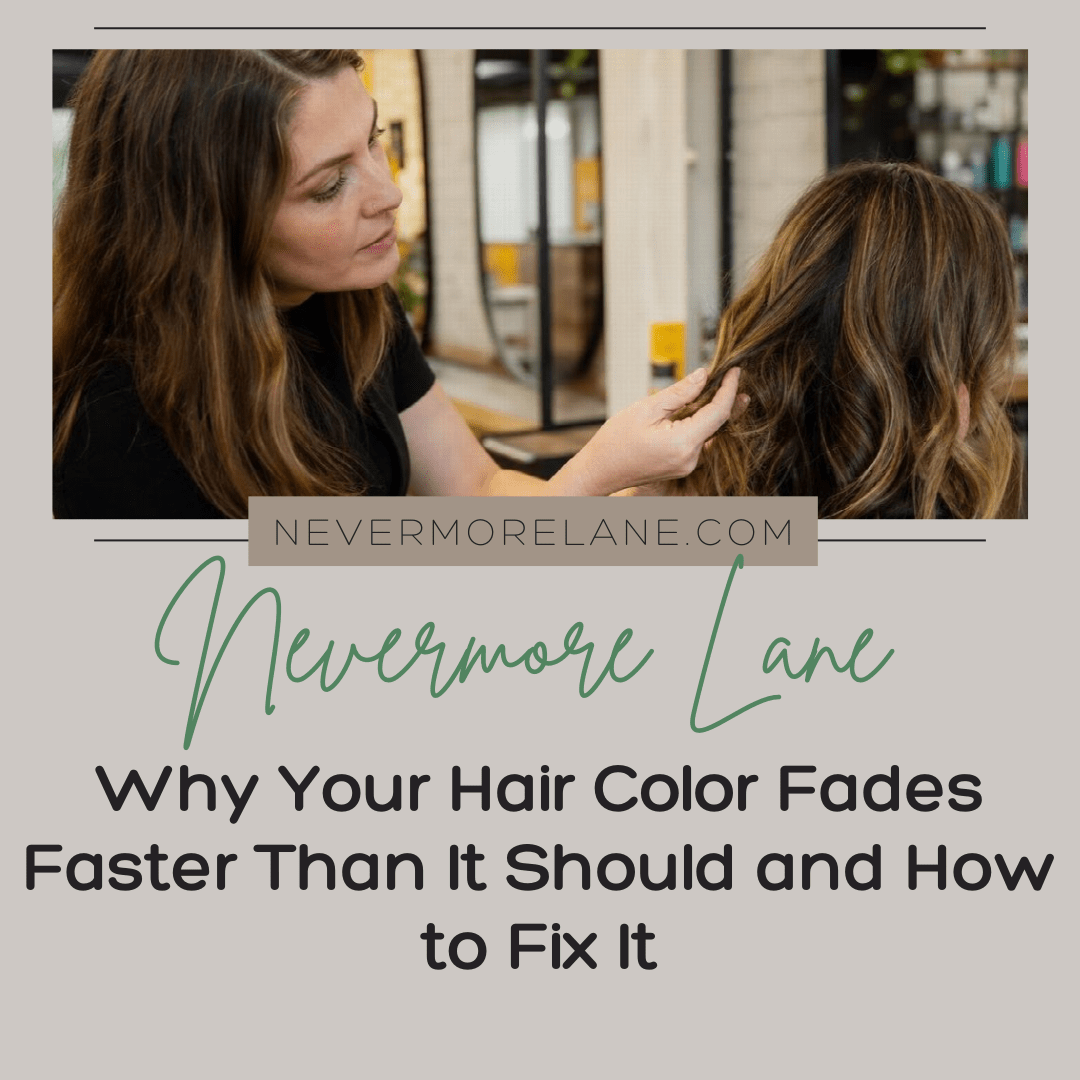
Hair color fade is one of the most common complaints among color-treated clients in North Texas, and the cause is rarely the color itself. Hard water drawn from the Lewisville Lake watershed, seasonal UV exposure, and improper at-home maintenance all accelerate the breakdown of color molecules long before a client’s next appointment. David Ryan Salon, located in Flower Mound, TX, addresses these factors through structured color consultations and targeted treatment protocols designed to extend the life of every color service.
Color Fade Is a Technical Problem, Not an Inevitable One
Premature hair color fading has diagnosable causes rooted in hair chemistry and regional environmental conditions. North Texas hard water carries elevated calcium and magnesium concentrations that accelerate oxidative breakdown of color molecules, and summer UV index levels in the area rank among the highest in the state. Stylists at David Ryan Salon assess color retention risk during every consultation, examining strand porosity and cuticle integrity using float and elasticity strand tests before any color is applied. David Ryan Salon’s hair color services build fade prevention into the technical service itself, not as an afterthought.
The Primary Causes of Premature Hair Color Fade
Porosity Imbalance and Cuticle Integrity
High-porosity hair, resulting from prior bleach services, repeated chemical processing, or genetic predisposition, absorbs pigment unevenly and releases it rapidly. The cuticle cannot close tightly around the dye molecule, so pigment escapes during every wash cycle. Stylists at David Ryan Salon evaluate strand texture, elasticity, and full chemical service history to determine porosity grade before any color is applied.
Heat Exposure and Oxidation
Flat irons, curling wands, and blow dryers operating above 350°F accelerate oxidation of color molecules within the cortex. Red and copper tones are most vulnerable because their dye molecules are the smallest in the color spectrum and escape the cortex most readily, which explains why clients who ask why warm tones disappear first often share a pattern of daily heat styling. Heat protectant application is a targeted protocol, not an optional step.
Alkaline Hard Water in North Texas
Flower Mound’s municipal water supply draws from the Lewisville Lake watershed and carries elevated calcium and magnesium ion concentrations consistent with published Trinity River Authority water quality data. These minerals deposit on the hair shaft, lift the cuticle, and leach pigment during each wash. A chelating shampoo used once per week is the standard corrective protocol for clients throughout the 75022 and 75028 ZIP codes.
Incompatible Haircare Products
Sulfate-based shampoos strip color by emulsifying the lipid layer of the cuticle, and “color-safe” labeling carries no standardized industry definition. Clients should select sulfate-free, pH-balanced formulas in the 4.5–5.5 range. David Ryan Salon’s hair color services include a product consultation to match each client’s formula to their color type, porosity grade, and wash frequency.
Frequently Asked Questions
How Long Should Hair Color Actually Last?
Permanent color applied to previously uncolored hair typically holds a visible tone for six to eight weeks before root regrowth becomes noticeable, and four to six weeks before significant fade appears at mid-lengths and ends. Demi-permanent services carry a shorter cycle of four to six weeks. High-porosity hair is the exception: without bond-building or porosity-sealing products, color can visibly fade in as few as two to three weeks. Wash frequency and product selection are the two variables clients control most directly between appointments.
Why Does Balayage Turn Brassy Between Appointments?
Brassiness in balayage is a predictable chemical outcome. The lightening process exposes underlying warm yellow and orange tones always present beneath the surface. The violet and blue pigments deposited during toning oxidize and wash out within approximately four to six shampoos. A toning gloss every six to eight weeks, combined with a purple pigment-depositing conditioner used twice weekly, is the most effective protocol for extending cool tone between full color services.
Can a Brazilian Blowout Affect Hair Color Retention?
A keratin-based smoothing treatment can improve color retention by sealing the cuticle and reducing porosity. However, sequencing is critical: the smoothing treatment must be performed after a color service, not before. Applying keratin before color creates a barrier that interferes with pigment absorption, resulting in uneven deposit and shorter retention. Scheduling color first, then the smoothing treatment at a follow-up appointment, produces better results on both services.
What Is the Difference Between a Color Gloss and a Full Color Service?
A color gloss is a demi-permanent, deposit-only service that refreshes tone, adds shine, and neutralizes brassiness without opening the cuticle. A full color service uses a developer to open the cuticle and deposit or remove pigment. Glosses are the appropriate tool for maintaining tone between full color appointments; a full color service becomes necessary when there is significant regrowth, uneven lift, or a correction goal requiring structural change.
David Ryan Salon’s hair color services include both options, allowing stylists to recommend the appropriate service based on each client’s hair condition and maintenance interval.
About David Ryan Salon
David Ryan Salon is a full-service hair salon located in Flower Mound, Texas, serving clients throughout Trophy Club, Lewisville, and the broader North Texas region. The salon offers color, cutting, and texture services performed by stylists trained in color correction, porosity assessment, and bond-building treatment protocols.
Business Name: David Ryan Salon
Address: 4151 Cross Timbers Road Suite 150, Flower Mound, TX 75028
Phone Number: (972) 691-0022