Why Preventive Self-Care Has Become a Bigger Priority Across Different Age Groups
Preventive self-care used to sound like something people promised themselves every January and forgot about by February. Now it shows up everywhere during completely ordinary routines. Somebody keeps electrolyte packets in the car because dehydration ruins their workday. Someone else schedules recovery days after long weeks instead of waiting until exhaustion knocks them flat emotionally. A lot of adults are realizing the body usually sends warning signs long before burnout, fatigue, stress, or physical discomfort fully takes over daily life.
This change feels especially noticeable in places like Dania Beach, where daily life often revolves around outdoor activity, social routines, beach culture, fitness habits, and appearance awareness year-round. People spend more time outside, stay active longer into adulthood, and notice quickly when stress, poor sleep, dehydration, or inconsistent wellness habits start affecting energy levels or physical appearance.
Aesthetic Treatments and Preventive Wellness
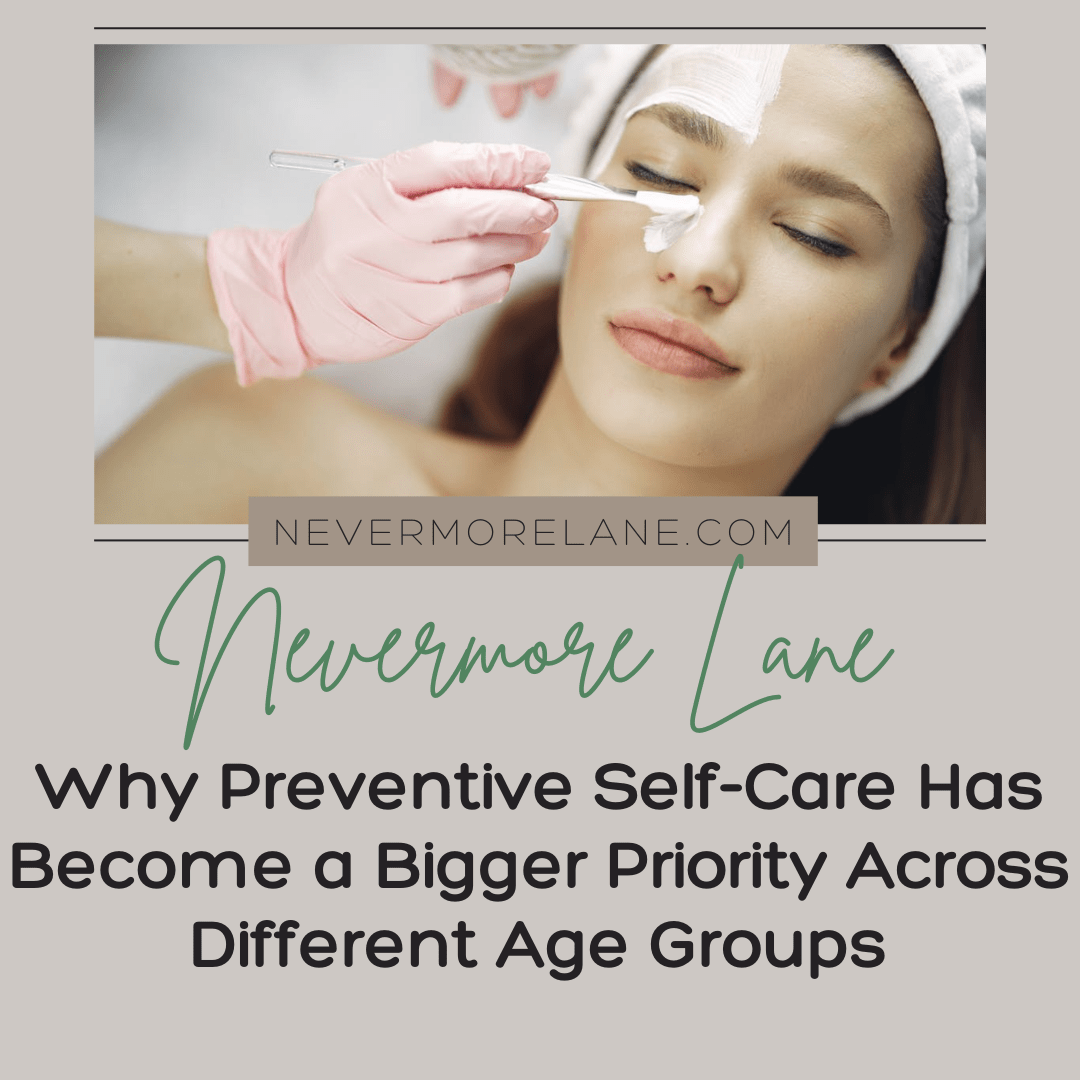
Aesthetic care has slowly moved into the same conversation as recovery routines, sleep habits, hydration, movement, and everyday wellness maintenance. A lot of people no longer view skincare or appearance-focused treatments as something reserved only for dramatic transformations or special occasions. Preventive self-care now includes habits helping people feel refreshed, rested, and comfortable in their appearance before stress and exhaustion become visibly noticeable.
You can see this transition occurring in communities where outdoor exposure, social activity, and appearance-based wellness culture overlap constantly throughout the year. Sun exposure, humidity, stress, inconsistent sleep, and packed schedules can all show up physically after a while. Many people see aesthetic treatments in Dania Beach as a worthwhile self-care investment, as appearance care increasingly feels connected to broader self-care habits instead of existing in a completely separate category.
Busy Schedule Self-Care Habits
A lot of preventive self-care now happens in tiny habits squeezed into chaotic schedules instead of elaborate routines requiring endless free time nobody realistically has anymore. Someone keeps protein snacks in the car because skipping meals destroys their energy by 3 p.m. Another person walks during work calls because sitting all day indoors makes them feel mentally foggy afterward. Small habits started replacing the old “perfect wellness routine” fantasy that many people gave up trying to maintain years ago.
Different age groups approach it differently, too. Younger adults might focus on stress reduction, skincare consistency, hydration, and mental recovery after overloaded workweeks. Older adults may prioritize flexibility, movement, sleep quality, or regular wellness appointments, helping daily life feel physically manageable long term.
Sleep, Recovery, and Stress Management
People are finally treating sleep like an actual survival tool instead of some optional activity squeezed in after endless scrolling and late-night emails. A lot of adults spent years functioning on terrible sleep while acting like constant exhaustion was somehow normal adult behavior. Now people openly talk about burnout, nervous system fatigue, mental overload, and stress recovery in ways that barely happened publicly before.
Recovery routines became much more intentional, too. Some people schedule “quiet nights” after busy weeks, the same way they schedule meetings. Others pay attention to screen exposure before bed, afternoon caffeine habits, or how quickly stress starts showing up physically through headaches, skin irritation, or emotional exhaustion. Preventive self-care increasingly revolves around protecting energy before complete burnout wrecks someone’s mood, focus, productivity, and social life simultaneously.
Technology and Wellness Tracking
Technology completely changed how people think about preventive self-care because everybody tracks something now. Sleep scores, hydration reminders, step counts, recovery metrics, heart rate trends, meditation apps, cycle tracking, meal planning, and stress monitoring all turned wellness into something people check constantly throughout the day. A smartwatch vibrating at midnight because someone’s stress levels stayed elevated for twelve straight hours feels weirdly dystopian and helpful at the same time.
A lot of people started noticing patterns they had ignored for years because technology keeps exposing them directly. Poor sleep after drinking alcohol, elevated stress during nonstop meetings, lower recovery after travel, or constant fatigue from irregular schedules suddenly become visible through daily tracking habits. Wellness feels more immediate now because people can literally watch routines affect energy, recovery, and physical comfort in real time instead of realizing months later they completely ignored their body’s warning signs again.
Busy Professionals and Preventive Wellness
Busy professionals increasingly treat preventive wellness like maintenance instead of self-indulgence because many people hit burnout walls hard during the past few years. Constant productivity culture left a lot of adults emotionally fried, physically drained, and running on caffeine with absolutely no recovery habits supporting them consistently. People are becoming way less impressed by bragging about exhaustion now.
A lot of professionals intentionally build recovery habits into packed schedules because functioning at full stress capacity forever clearly does not end well for most humans. Someone blocks gym time on the calendar like an important meeting. Somebody books wellness appointments during lunch breaks instead of waiting until stress physically wrecks their sleep and focus completely.
Social Media and Wellness Conversations
Social media completely changed how people talk about preventive self-care because wellness routines became visible in everyday life instead of feeling private or medical only. People now openly discuss burnout recovery, sleep struggles, stress habits, skincare maintenance, nervous system regulation, hydration, hormone health, therapy, and emotional exhaustion online without the same awkward silence surrounding those topics years ago. Wellness conversations moved directly into group chats, TikTok feeds, podcasts, and daily scrolling habits.
That visibility made preventive care feel much more normal across different age groups, too. Someone watches a creator explain how poor sleep affected their skin and mood for months. Another person hears a podcast about recovery routines helping with mental overload during busy work seasons. Social media obviously spreads unrealistic wellness trends sometimes, though it also pushes a lot of people into noticing problems earlier instead of dismissing exhaustion and stress as permanent personality traits.
Changing Wellness Trends
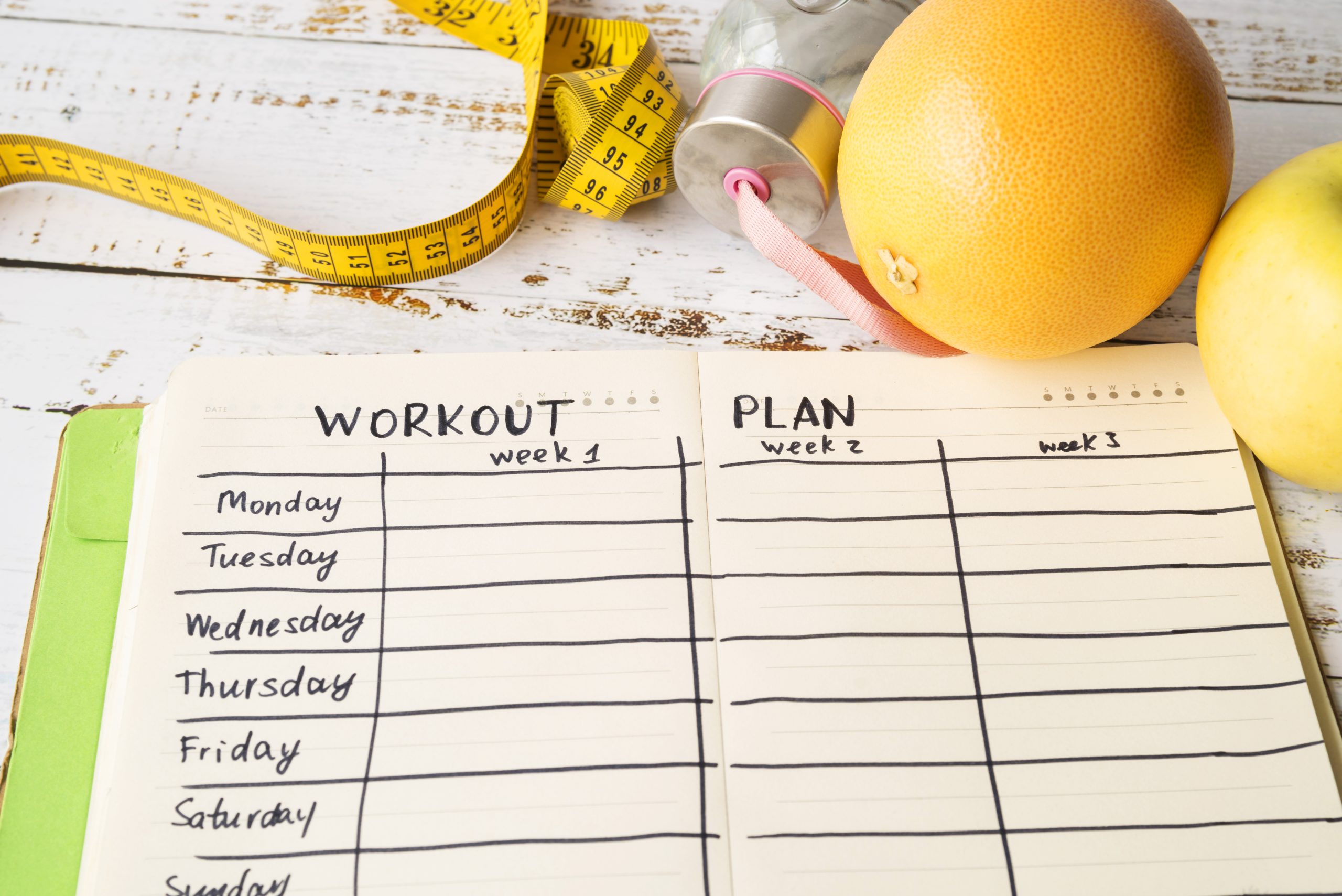
Wellness trends look completely different now because people increasingly care about sustainability instead of chasing impossible perfection constantly. Extreme detox culture, punishing workout plans, and unrealistic “perfect routine” content started losing appeal once people realized most adults cannot realistically function that way long-term. Wellness conversations now focus much more on manageable habits people can actually maintain while balancing jobs, families, social lives, and mental recovery simultaneously.
Someone heavily focused on fitness may prioritize mobility work and recovery sessions, while another person cares more about sleep quality, stress reduction, or skincare maintenance. Wellness no longer revolves around one universal formula that everybody follows in the same way. People personalize preventive routines around their actual lives instead of forcing themselves into trends that look impressive online but collapse after two stressful weeks.
Preventive self-care became a bigger priority because people no longer want to wait until stress, exhaustion, discomfort, or visible changes completely take over daily life before paying attention to wellness habits. A lot of adults are treating self-care less like an occasional indulgence and more like basic upkeep for functioning well in everyday life.
Photo source: Source