Why Personal Wellness Starts with the Rooms You Use Most
What’s the first thing you do when you walk into your home after a long day?
Maybe you head straight to the kitchen. Maybe it’s the bathroom to wash your face and shut out the world. Maybe it’s your bedroom, hoping to hit pause for five quiet minutes. Whatever your routine looks like, it’s shaped by the rooms you use most. And those rooms—how they function, feel and support your habits—play a bigger role in personal wellness than we often admit. In this blog, we will share how the core spaces in your home impact how you feel every day and why investing in their comfort and design is one of the smartest wellness moves you can make.
The Wellness Potential of Your Everyday Spaces
When we talk about wellness, we often focus on the things we do outside the home. Gym memberships. Supplements. Nature walks. But the truth is, the space you spend the most time in has the biggest impact on how you feel. And you don’t need to tear down walls or start from scratch to make that space work better for you.
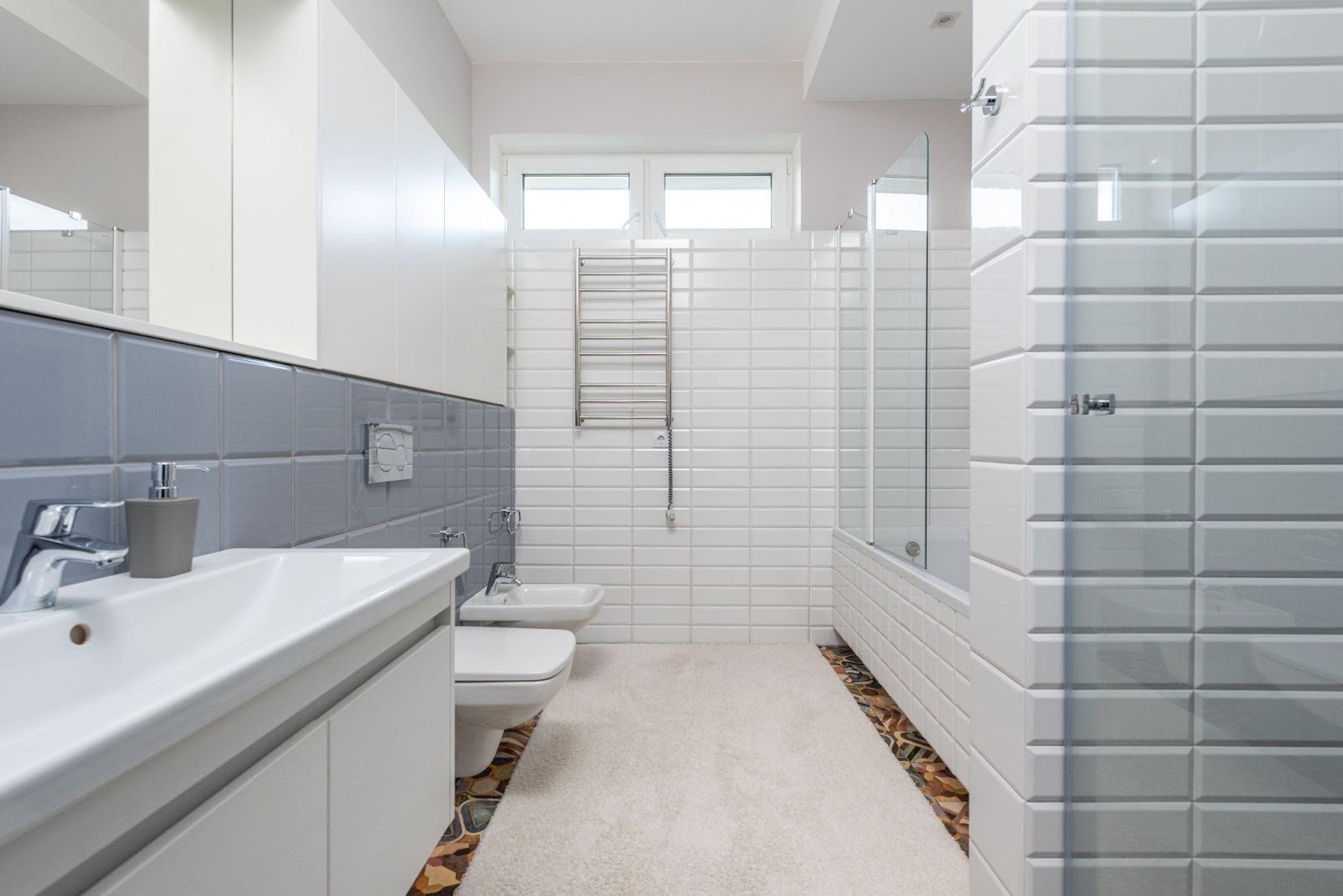
Bathrooms, for instance, are no longer just functional pit stops in the day. They’ve become quiet sanctuaries where people start and end their routines. That’s one reason homeowners are now seeking help from Bath Planet Local—a company that specializes in turning outdated bathrooms into modern, comfortable and efficient spaces. These aren’t just style upgrades. They’re wellness decisions. A better shower or tub setup can ease tension, encourage better habits and make daily routines feel less rushed and more intentional.
And it doesn’t stop at the bathroom. The spaces we return to again and again—like the kitchen, bedroom, or home office—affect how we manage stress, how we sleep and how often we take time to recharge. When those rooms are cluttered, uncomfortable, or poorly designed, everything feels harder.
Functional Design Meets Daily Wellness
The design world has finally caught up with what people have known for years: how your space feels influences how you function. A calm room can ease anxiety. A practical layout can reduce stress. Good lighting, efficient storage, and easy-to-clean surfaces all contribute to a better mindset. These aren’t just aesthetic choices. They’re deeply tied to well-being.
Take bathrooms again as an example. Something as small as a low-entry shower or a seat built into the design can make a major difference for aging residents or anyone with mobility issues. Better airflow can reduce mold and allergens. Smart fixtures help conserve water and simplify routines. These details turn an everyday space into something supportive.
When rooms work with you instead of against you, your energy goes into what matters—whether that’s starting your day with a quiet stretch, getting the kids ready without chaos, or winding down with a moment of calm.
The Rise of Routine-First Living
Modern life is full of constant inputs. Screens, notifications and to-do lists that seem to grow by the hour. In response, more people are turning their attention inward—to their homes, habits and how their environment can support mental clarity.
This is what’s behind the trend of routine-first living. It’s not about minimalism or luxury. It’s about making the spaces you move through every day feel aligned with the life you want. That could mean better bathroom storage so your mornings aren’t spent searching for skincare. It could mean new flooring that’s easier to clean, so your evenings feel calmer. Or better lighting in your home office so the 3 p.m. crash doesn’t hit as hard.
Wellness isn’t always about adding more. Sometimes it’s about removing friction—small annoyances, design flaws, or systems that no longer work. And those fixes often start in the rooms you use the most.
Where Design, Comfort and Health Overlap
For a long time, comfort and health were seen as two separate goals. Health meant discipline. Comfort meant indulgence. But that division doesn’t make sense anymore.
Comfort is essential to well-being. If a space is too cold, too noisy, too cramped, or too outdated, your body stays tense and your mind stays distracted. On the flip side, when your home feels safe, warm and tailored to your needs, your nervous system can relax. You sleep better. You focus more easily. You feel more capable and less overwhelmed.
This is why home design has started to mirror wellness values: calm color palettes, ergonomic layouts, and materials that promote clean air or low maintenance. These aren’t fads. They’re responses to how people actually live now.
Small Upgrades, Big Impact
Wellness doesn’t have to mean overhauling your entire house. In fact, small upgrades to the right spaces often have the biggest impact.
Replace a tub you never use with a shower that fits your routine. Swap noisy fixtures for quiet, energy-efficient ones. Add shelving so your countertop stops being your junk drawer. These changes don’t just make a room look better. They improve how it functions—and that changes how you move through your day.
One simple but powerful tip: walk through your home and note which spaces cause stress instead of reducing it. That’s where your wellness improvements should begin. And it’s often not about the square footage. It’s about how each corner supports you.
Wellness Starts at Home
Wellness isn’t just about what you do at the gym or how much water you drink. It starts where you brush your teeth, make your coffee, and wind down for the night. Your home shapes your routines, your mindset, and your energy more than any supplement ever could.
When you invest in the rooms you use most, you’re investing in how you show up for your life. Not in a flashy way, but in a steady, sustaining way. Personal wellness starts with the space that holds you—and making it work for you might be the most valuable upgrade of all.
Building Environments That Support Lasting Wellness
Creating Spaces That Make Health Inevitable
Sustainable wellness depends on environments that support healthy behaviors automatically rather than requiring constant willpower and decision-making. The bedroom optimized for sleep naturally improves rest quality without nightly struggles. The kitchen designed for cooking efficiency makes meal preparation enjoyable rather than burdensome. The home office supporting proper ergonomics protects physical health during work hours. Small environmental adjustments compound into significant wellness improvements over months and years.
Long-term health outcomes reflect accumulated daily choices influenced heavily by immediate surroundings. Rooms that feel pleasant encourage more time in them doing activities those spaces support. Natural light exposure in living areas regulates mood and energy without supplements or medications. Comfortable workout spaces at home remove barriers to consistent exercise. The investment in wellness-supporting environments pays returns through behaviors that become easier to maintain because they’re environmentally encouraged rather than willpower dependent.
Personal wellness ultimately requires addressing the foundations supporting or undermining health goals. No amount of gym membership fees, supplement purchases, or app subscriptions overcomes environments actively working against wellbeing. Start with the rooms used most, making them allies in health pursuits through lighting, layout, materials, and design that support bodies and minds naturally. Transform spaces from neutral backdrops into active participants in wellness, creating homes where healthy living flows naturally from thoughtfully designed environments rather than fighting against them daily.
Main photo Image by freepik