Why Eco-Friendly Skincare Is Gaining Popularity Among Conscious Consumers
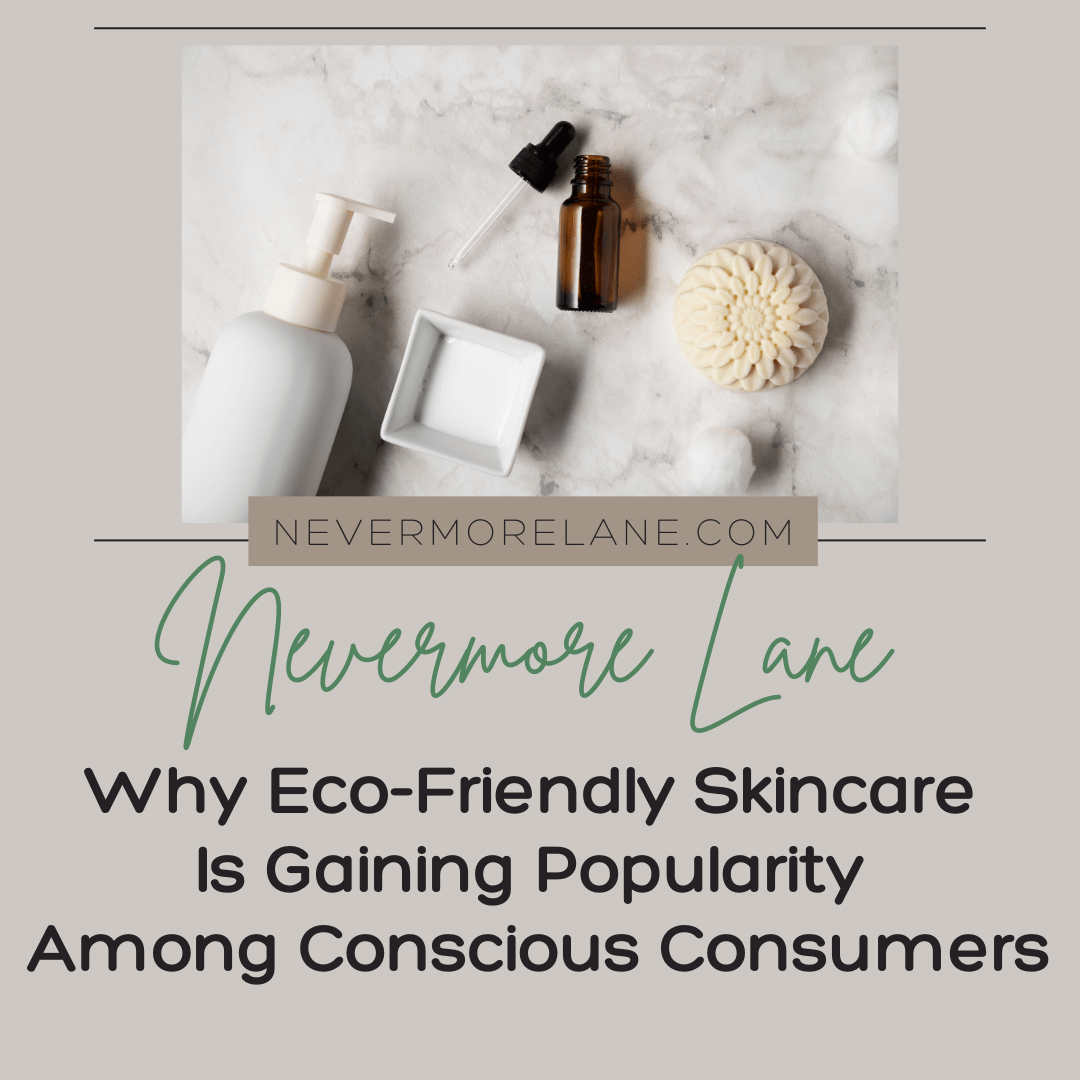
Is your skincare routine aligned with your values, or is there a gap between what you care about and what ends up on your bathroom shelf? For a growing number of consumers, that gap has become uncomfortable enough to do something about.
Eco-friendly skincare has moved from niche to mainstream not because of marketing campaigns but because of a genuine convergence of concerns: what goes on the skin, what goes into the environment, and whether the products being used are built on practices worth supporting. Here’s what’s driving the popularity, and what it means in practice.
Why Personal and Environmental Health Are Connected
The growing appeal of eco-friendly skincare comes from a simple realization: what affects your skin often affects the environment too.
- Ingredients linked to health concerns can also persist in ecosystems
- Chemicals washed off skin enter waterways through daily use
- Microplastics in products can accumulate in oceans and in the body
- Waste from packaging contributes to long-term environmental impact
- Choosing safer ingredients supports both personal and environmental health
When these connections are understood, the shift toward eco-friendly skincare becomes more practical than ideological, it’s a single decision with dual benefits.
1. Ingredient Sourcing and Transparency Drive Trust
Eco-friendly skincare builds trust through clear, open communication about ingredients. Instead of vague labels, these brands often explain where ingredients come from, how they’re sourced, and how they’re processed. This level of detail makes it easier for people to understand what they’re using and why.
Transparency also creates accountability. When brands share sourcing practices and ingredient lists clearly, they set a standard they’re expected to maintain. For consumers, this reduces uncertainty and builds confidence over time.
In skincare, this openness is becoming more than a bonus. Clear ingredient information and honest sourcing are increasingly expected, shaping how people choose and stay loyal to products.
2. The Market Is Growing Because Results Are Matching Claims
Eco-friendly skincare gained credibility as the performance gap between natural and conventional products narrowed. As formulations improved, plant-based products began delivering results comparable to, and in some cases better than, their synthetic counterparts. That shift has made it easier for mainstream consumers to choose eco-friendly options without expecting a trade-off in effectiveness.
This change is reflected across the category, including brands like Crate61, which focus on clean formulations and methods such as cold-process techniques that help retain the natural benefits of plant ingredients. Click here to explore the full product range, built on the principle that what’s good for your skin and what’s good for the environment should be the same thing.
3. Packaging Innovation Is Reducing Waste
The environmental impact of skincare isn’t limited to what’s inside the bottle, the packaging contributes significantly to global plastic waste. The conventional skincare industry relies heavily on multi-layer plastic packaging that can’t be recycled in standard household collection streams.
Eco-friendly skincare brands are addressing this through:
- Refillable containers that reduce single-use packaging
- Biodegradable materials derived from plant sources
- Concentrated formats that reduce the total packaging required
- Minimal packaging designs that use less material overall
For conscious consumers, packaging is a visible and immediate signal of a brand’s environmental commitment. Brands that get packaging right earn a level of trust that marketing cannot substitute for.
4. Biodegradable Ingredients Protect Waterways
When you rinse skincare products off your face, the ingredients don’t disappear, they enter wastewater systems. In conventional products, synthetic preservatives, emulsifiers, and fragrance compounds can pass through treatment processes and end up in rivers and oceans, where they may affect aquatic life.
Plant-based ingredients tend to break down more easily. Being biodegradable, they are less likely to persist in the environment after use.
For people who consider the wider impact of their daily routines, this difference matters. Choosing products that break down more naturally is a simple way to reduce the environmental footprint of everyday skincare.
5. Conscious Consumers Are Voting With Their Purchases
The rise of eco-friendly skincare is also driven by a simple shift in mindset: people see their purchases as a reflection of their values. Choosing one product over another becomes a way to support what they believe in.
Each decision adds up. As more consumers choose eco-friendly options, it sends a clear signal about what matters, influencing how products are made and marketed. This kind of change is more lasting than regulation because it comes from genuine preference. Brands that focused on sustainability early are now better positioned as these choices become more common and expected.
What Is Actually Driving Consumers Toward Eco-Friendly Skincare
Eco-friendly skincare is gaining traction as more people connect their daily routines with wider environmental and health impacts. When those links become clear, the shift feels practical rather than idealistic.
What reinforces the change is availability. Consumers are finding products that align with their values without sacrificing performance, making the switch easier to sustain. As awareness grows and better options continue to emerge, this shift is likely to keep expanding, driven less by trends and more by informed, consistent choices.