Why a Yurt is Perfect for Off-Grid Living and Minimalist Lifestyles
There’s a certain point where “having more” quietly stops feeling like progress and starts feeling like weight. You notice it in cluttered rooms, in the way maintenance tasks multiply, in how freedom somehow gets tied to bills and square footage.
People don’t always wake up one day and decide to go off-grid—it’s more like a slow shift in what feels necessary. Even in developed cities, where modern living is polished and convenient, the pull toward simpler, self-directed spaces has been getting harder to ignore. And somewhere in that shift, unconventional housing starts to make a strange amount of sense.
Below are 6 reasons why a yurt fits so naturally into off-grid living and minimalist lifestyles.
1. A yurt changes how you define “enough” without forcing the idea
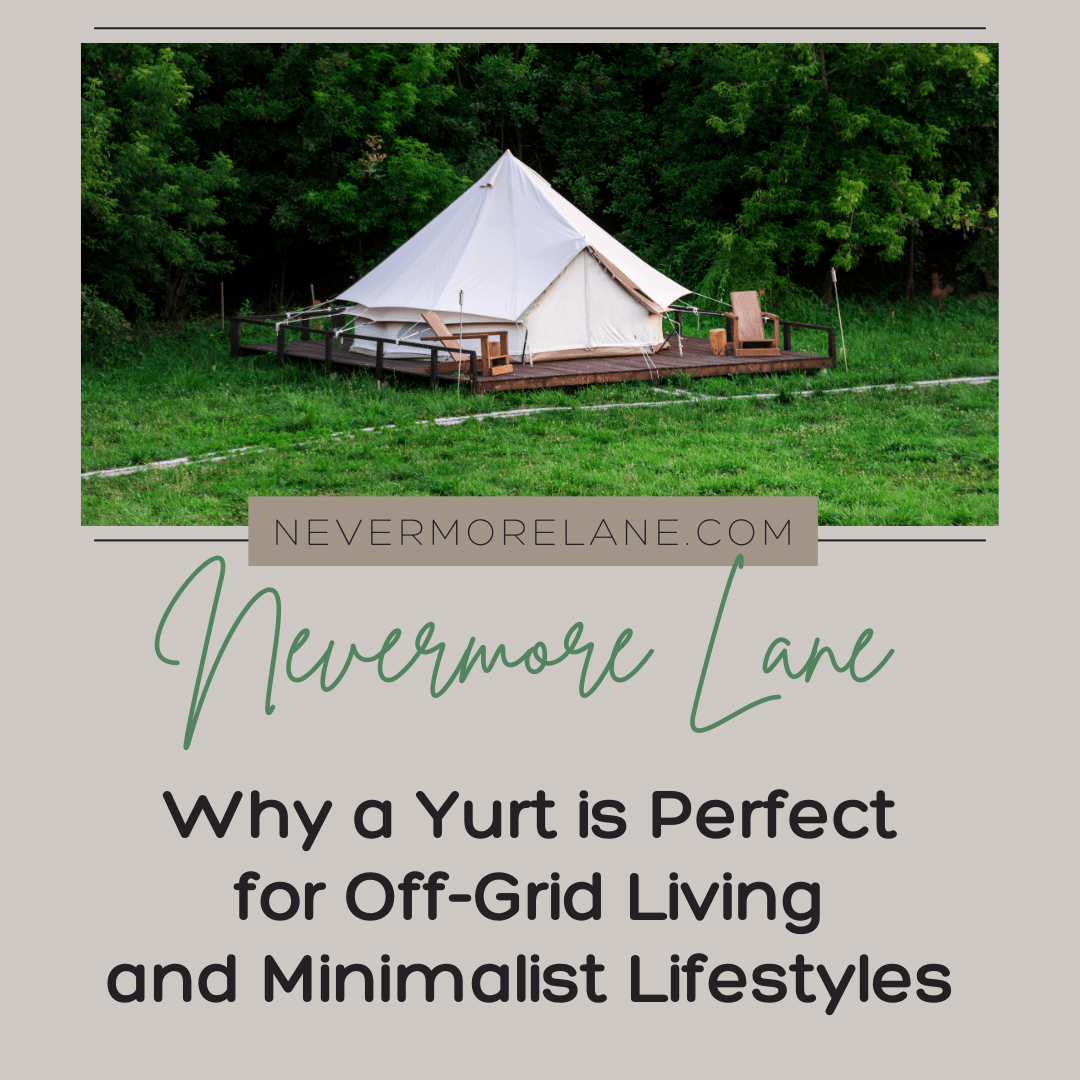
There’s something disarming about stepping into a Yurt for the first time—it doesn’t feel like you’re sacrificing space so much as recalibrating what space means. The circular layout naturally limits excess, but not restrictively; it just nudges you to keep what is actually used.
When people begin exploring setups like this, they often come across brands like Yurt in the Dirt, where the idea isn’t framed as downsizing but as rebalancing. You start noticing how little you need to feel comfortable, and that realization tends to stick. The takeaway is simple: once your baseline shifts, going back to excess feels unnecessary rather than desirable.
2. Off-grid setups feel less intimidating when your structure cooperates
One of the quiet frustrations of off-grid living is how many conventional homes seem to resist it. Retrofitting can turn into a puzzle of compromises—energy inefficiencies, awkward layouts, and systems that never quite align. A yurt, by contrast, tends to work with the environment rather than against it.
Its design supports airflow, natural light, and easier integration with solar or rainwater systems. You’re not constantly adjusting the structure to fit your lifestyle; the structure already leans in that direction. That alignment removes a surprising amount of friction from daily living.
3. The build process doesn’t consume your entire life
There’s a romantic idea of building your own home from scratch, but the reality can stretch into years of labor, delays, and budget creep. Yurts sit in an interesting middle ground—they’re intentional without being all-consuming. Setup is relatively quick, and the materials are often more forgiving, which means fewer technical barriers.
This doesn’t just save time; it preserves energy for actually living in the space once it’s done. You’re not stuck in a loop of constant construction or upgrades, which changes how the entire experience feels from the outset.
4. Living lightly becomes a daily habit, not a forced rule
Minimalism can feel rigid when it’s treated like a checklist—own this many items, follow this exact system, maintain this level of discipline. In a yurt, that mindset softens. The space itself gently shapes your habits, making it easier to stay intentional without constantly having to think about it.
Storage is limited, yes, but it rarely feels like deprivation. Instead, there’s a quiet consistency in how everything has a place and a purpose. Over time, that consistency becomes second nature, and minimalism stops feeling like something you’re trying to achieve.
5. Connection to surroundings stops being optional
Traditional homes can insulate you from the outside world in ways that are comfortable but also distancing. With a yurt, the boundary between inside and outside feels thinner—not in a fragile sense, but in a more connected one.
You notice shifts in weather, light, and temperature more directly. That awareness changes how you interact with your environment, from how you plan your day to how you manage resources. It’s not about roughing it; it’s about being more in tune with where you are. That kind of connection tends to deepen the overall experience of off-grid living.
6. Flexibility becomes part of the lifestyle, not a future problem
One of the less talked-about aspects of minimalist living is adaptability. Needs change—locations shift, priorities evolve, circumstances take unexpected turns. Yurts offer a level of flexibility that traditional homes simply don’t. They can be relocated, adjusted, or even expanded in ways that feel practical rather than disruptive.
This makes long-term planning feel less rigid because you’re not locking yourself into a single static setup. Instead, your living space can evolve alongside you, which removes a layer of pressure from every decision you make.
Living Lightly Without Sacrificing Comfort
What makes yurts stand out isn’t just their aesthetic or novelty. It’s how naturally they align with a different way of living—one that values intention over accumulation, experience over excess, and adaptability over permanence. Once you start looking at it through that lens, the appeal stops feeling niche and starts feeling surprisingly practical.