Who Is Liable for Airport Injury Accidents?
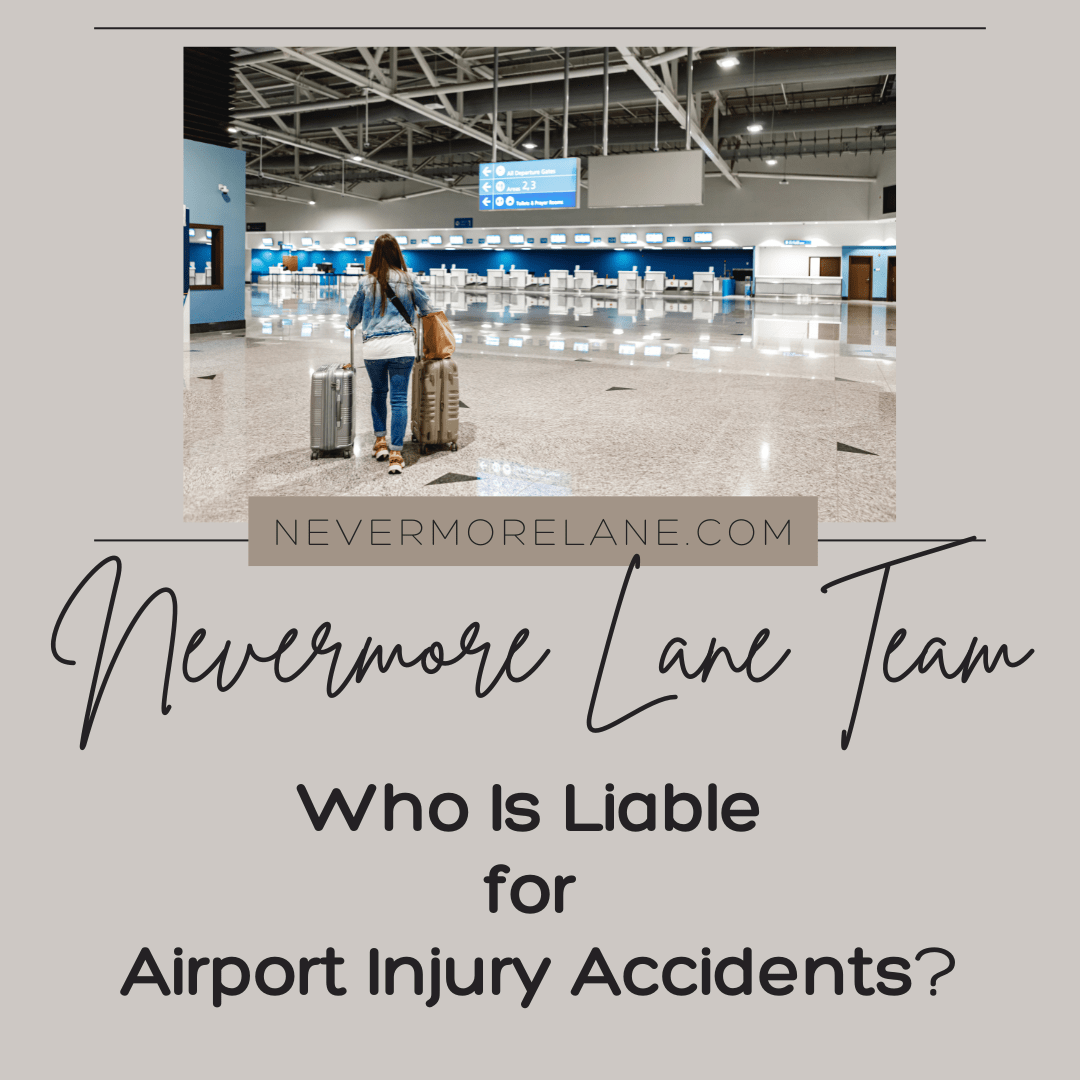
Airport injuries happen in environments where multiple entities share overlapping responsibilities creating confusion about accountability when accidents occur. Travelers slip on wet floors in terminals managed by airport authorities but cleaned by contracted janitorial services. Escalators malfunction injuring passengers while questions arise whether manufacturers, maintenance companies, or airport operators bear responsibility. Falling luggage from overhead bins on aircraft operated by airlines but loaded by ground crew creates liability puzzles. The complexity multiplies across security checkpoints, parking structures, shuttle buses, and concourses where numerous parties control different aspects of safety.
Image by fabrikasimf on Freepik
In the US, the number of aviation accidents during the first seven months of 2025 reached 623. This is less than the 729 accidents that happened in the same time period last year, which included all types of aircraft accidents.
Determining the responsible party after you get injured at the airport is a challenging yet necessary task. Possible parties responsible for an airport injury could be the airport management, a vendor, or a contractor. Every entity has a certain obligation to protect passengers.
Determining liability for airport injury accidents requires untangling which entity owed duty of care in the specific location where injury occurred and whether that party failed to maintain reasonable safety standards. Airport authorities control terminals and common areas but lease space to airlines, retailers, and restaurants maintaining their own premises. Equipment manufacturers remain liable for defective products even after installation. Airlines bear responsibility for aircraft incidents while ground handlers manage baggage areas. The jurisdictional maze creates significant challenges for injured parties seeking compensation from responsible entities that often deflect blame toward other parties sharing airport operations.
Understanding who holds liability for airport injury accidents protects legal rights and determines whether claims proceed against airports, airlines, contractors, manufacturers, or multiple parties simultaneously. The complexity demands careful investigation establishing exactly where accidents occurred, what caused injuries, and which entities controlled the conditions creating hazards that reasonable precautions should have prevented or warned against effectively.
Let’s discuss how negligence is determined when it comes to cases about airport injury accidents.
Understanding Airport Liability
Most people who go through the airport don’t even think about the possible hazards that they might encounter. Once you have sustained injuries, understanding airport liability can be very helpful.
Airports aim to boost security and simultaneously elevate the comfort experience for everyone using or working within the facility. Conducting regular safety and hazard inspections of the premises and providing adequate emergency training for the staff is their responsibility. But crashes still do occur.
According to Atlanta airline accident lawyer Stephen T. LaBriola, investigations into plane crashes can take months or even years. The help of a lawyer can even the odds in plane crash litigation.
Accidents resulting from slipping or walking into poorly signposted objects are situations in which victims can claim damages. These situations lead to the airport paying compensation to the victim. An argument could be initiated regarding the negligence of third-party vendors such as restaurants and shops if lack of proper care on their part causes accidents.
Knowing who is responsible is useful since it determines your rights and what to do if you are injured on a flight.
Common Causes of Airport Injuries
Even with the airports’ constant efforts to guarantee safety for the people, slip and fall accidents remain a common cause of injuries. Wet and not level floors are the main reason for these accidents.
Mismanagement of shipping carts by baggage handlers and obstructions created by equipment in airports are some of the problems that could cause accidents and injuries. The presence of a large crowd in the terminals might unintentionally lead to bumping into each other. These outcomes may result in injuries.
Inadequate lighting may not just be a disorientation problem; it could turn out to be a serious hazard when someone gets confused and falls. Erroneous indications or maps that are difficult to read may mislead the people and result in fall accidents.
If one’s awareness of surroundings is coupled with being careful, the risks of getting injured become lower, and some injuries can be prevented.
The Role of Airport Management
Airport management primarily aims to create a safe setting for all airport users and to lower the potential for harm or injury incidents. The overall maintenance of the airport is their responsibility, which comprises not only regular inspections and repairs of all facilities but also proper use of the infrastructure.
Staff training programs are very important, as they are a fundamental part of training personnel to respond to emergencies and follow safety standards. Airport management needs to establish a good communication system through which safety problems brought up by either passengers or workers can be quickly solved.
The management has a big role in making the airport a safer place by putting into practice extensive safety measures as well as preparedness. Airport management has to keep themselves informed about the changes in federal regulations and the adoption of best practices to remain compliant with the best practices of the industry.
Safety measures that are proactive in nature at airports result in a remarkable reduction of accidents and, at the same time, boost the trust and confidence of the passengers.
Vendor and Contractor Responsibilities
The vendors and contractors represent a significant portion of the airport environment. Their work includes various areas such as food and retail, maintenance, and security.
They are required to adhere to safety standards and regulations that are so strict that the chances of accidents happening are practically zero. Vendors and contractors would definitely be expected to help keep the airport safe for visitors.
Once a contractor breaches safety rules while carrying out their job, or a vendor pays no attention to cleanliness, the contractor or vendor, respectively, can be held liable for the injuries that occurred. The efficient airport operation is really based on the clear comprehension and enforcement of the responsibilities of each party.
Vendors and contractors must concentrate their efforts on strengthening and upholding the safety practices that have already been established so that all the airport’s travelers can have a smooth and secure journey.
Negligence and Maintenance Issues
Neglecting maintenance can be a cause of serious accidents at airports and can and will affect the safety of the people travelling. Without appropriate maintenance, the question of safety at airports arises.
Accidents may occur as a result of a runway being compromised or an airport terminal being poorly lit. The lack of maintenance of the airport’s safety features causes passengers and staff to slip, trip, and fall. Airport management has to perform routine inspections, and any maintenance problems need to be resolved instantly.
If an accident results from a negligent act, then the injured party has the right to file a lawsuit against that person for damages. Initiate thorough documentation in case of an accident. Take photographs of the accident scene and notify the authorities regarding the issue.
The Impact of Traveler Actions
Most of the time, accidents happen at the airport due to the behavior of travelers themselves. You might miss some of the things that can harm you if you get distracted by a text message. In other cases, you might miss the changes in floor levels or luggage blocking your way.
In addition to these risks, your circumstances may also impact those around you. If you ignore things like warnings and blocked paths, you could soon have an accident. Running or pushing through the crowd can hurt you and others.
It is largely the alertness of individuals to their surroundings and the strict adherence to airport regulations that determine the success of accident prevention and the establishment of a safe airport environment.
Steps to Take After an Airport Injury
If you have an airport accident and sustain injuries, you should follow procedures to protect your rights and well-being.
Seek medical treatment immediately even if you have minor injuries. Afterwards, you can focus on collecting evidence of your incident. Inform the airport staff about your injury to request a copy of the incident report.
Ask for the names and contact information of the witnesses who saw the accident. Keep all documents needed, like medical treatment documents and bills.
Talk to a lawyer who specializes in personal injury claims to know what your prospects for getting paid are. If you do this, you’ll be ready for any legal issues that may arise.
Protecting Your Rights After Airport Injuries
Navigating Claims in Complex Multi-Party Environments
Airport injury claims succeed when evidence clearly establishes which party or parties failed their duty of care in preventing foreseeable accidents. Photographs documenting hazardous conditions immediately after injuries occur provide critical proof. Witness statements from other travelers who observed incidents strengthen claims. Incident reports filed with airport authorities, airlines, or security personnel create official records supporting injury timelines and circumstances. Medical documentation linking injuries directly to specific accidents prevents disputes about causation and severity.
Long-term outcomes of airport injury claims depend heavily on legal representation, understanding aviation law, premises liability, and the jurisdictional complexities distinguishing airport cases from typical slip-and-fall matters. Experienced attorneys know which entities typically bear responsibility in different airport zones and how to pierce corporate structures deflecting liability. They understand statute of limitations variations, notice requirements, and procedural rules that trap unrepresented claimants missing critical deadlines or filing in wrong jurisdictions.
Airport injury liability ultimately comes down to proving specific parties failed to maintain safe conditions or adequately warn of known hazards in areas under their control. Don’t let complexity prevent pursuing legitimate claims against responsible entities. Seek legal counsel immediately after airport accidents to preserve evidence, identify liable parties, and protect rights before witnesses disappear, surveillance footage gets deleted, and procedural deadlines pass. Airports and their insurers count on confusion preventing valid claims from proper parties who could recover compensation for injuries that reasonable safety measures should have prevented.