When to Schedule Professional Lawn Care: A Seasonal Guide for Year-Round Property Protection

Here at Nevermore Lane, we talk a lot about tiny houses, cozy corners, and the slow living mindset that turns a house into a sanctuary. But that earth magic we chase indoors with candles and good books extends right out the back door, too. If you’ve ever stood in your yard wondering why the grass looks tired by July or why weeds seem to show up overnight, the answer usually comes down to timing. Your garden and landscaping choices are part of that same treasured life we talk about constantly, and a lawn that’s cared for on the right schedule becomes one less thing pulling at your peace.
Lawn care isn’t a one-and-done errand you can check off whenever it’s convenient. It’s a seasonal rhythm, and missing a window can mean paying for damage control instead of simple maintenance. Homeowners who treat their yard like they treat their reading nooks, with intention and a little planning, tend to spend less overall and enjoy their outdoor space more. This guide walks through the calendar year so you know exactly when to act, whether you’re doing it yourself or calling in help.
The landscaping industry has grown into a $153 billion market as of 2024, with projected growth of 5.8% in 2025, which tells you something important: more people are recognizing that professional timing matters more than brute effort. Roughly 64% of homeowners hired a professional for an outdoor project in 2024 alone, and that number keeps climbing as people realize DIY guesswork often costs more in the long run than a scheduled service plan.
For readers in warmer climates especially, understanding the benefits of professional lawn care for your West Palm beach property makes the seasonal differences even clearer, since Florida lawns face a different stress calendar than northern yards. Heat, humidity, and pest pressure don’t follow the same script everywhere, which is exactly why a generic “mow every two weeks and hope” approach rarely works long term.
Spring: The Critical Awakening Window (February–April)
Spring is when your lawn wakes up, and what you do in these early weeks sets the tone for the entire year. Once soil temperatures climb above 50 degrees Fahrenheit, grass roots start actively growing again, and this is the window for pre-emergent herbicide applications that stop crabgrass and other invaders before they germinate. Cleanup matters here too, raking away winter debris, clearing dead thatch, and giving the lawn room to breathe. Early fertilization during this period feeds the root system right as it’s waking up, which gives your lawn a head start before summer stress arrives. Waiting even a few weeks past this window often means dealing with weeds you could have prevented entirely.
If you’ve been putting off booking a professional, spring is genuinely the moment to stop procrastinating. Lawn care providers get busy fast once the weather turns, and the homeowners who call early are the ones who get the ideal pre-emergent timing rather than a rushed, late application.
Summer: Maintenance and Stress Management (May–August)
Summer isn’t about dramatic transformation, it’s about consistency and damage control. Mowing frequency becomes the most important variable, and most homeowners, about 72.9% according to recent data from 2025, settle into a biweekly schedule that keeps grass healthy without overstressing it during heat waves. Deep, infrequent watering beats frequent shallow sprinkles because it encourages roots to grow downward in search of moisture, which builds resilience against drought stress. This is also peak season for pest and disease monitoring, since grubs, chinch bugs, and fungal issues all thrive in the warm, humid conditions that define a long summer.
Skipping a mow or two during summer might seem harmless, but it often triggers a cascade of problems, from scalping damage when you finally do cut the overgrown grass to increased vulnerability to pests hiding in taller blades. Staying on schedule here, even when it feels repetitive, is what keeps a lawn looking sharp through the hottest months instead of patchy and stressed by September.
Fall: The Most Important Season (September–November)
If you only prioritize one season for professional lawn care, make it fall. This is when aeration and overseeding do their best work, loosening compacted soil and giving new grass seed direct contact with the ground right as temperatures cool and moisture returns. Aggressive fertilization in autumn builds the root reserves your lawn will rely on through dormancy, essentially banking energy for winter and an easier spring recovery. According to this article, lawn care maintenance should be scheduled around the natural life cycle of the turfgrass itself, with timing shifting depending on grass type and local climate, which is exactly why fall carries so much weight for cool-season grasses in particular.
Fall is also when smart homeowners lock in professional services before everyone else remembers to call. Providers tend to have more flexible scheduling in early fall before the seasonal rush hits, so booking in September instead of waiting until October gives you better odds of getting the exact service window your lawn needs.
Winter and Year-Round Planning (December–January)
Winter looks quiet on the surface, but it’s actually a planning season disguised as a rest period. Dormancy management means minimizing foot traffic on frozen or frost-covered grass, since damaged dormant turf can take much longer to recover come spring. It’s also the ideal time for equipment prep, whether that’s sharpening mower blades or scheduling a professional tune-up before the growing season demands everything run smoothly. Many homeowners use this slower window to book next season’s services in advance, which secures preferred appointment dates before spring’s rush fills every provider’s calendar.
| Metric | 2024-2025 Figure |
| Average Annual Lawn Care Spending | $407 per year nationally ($6.38 per 1,000 sq ft per mow) |
| Most Common Mowing Frequency | 72.9% of homeowners choose biweekly service |
| Average Professional Mow Cost | $53.59 nationally, ranging $50.90 (West) to $58.17 (Northeast) |
| Homeowner Adoption of Professional Services | 64% hired a professional for outdoor projects in 2024 |
| U.S. Landscaping Industry Market Size | $153 billion in 2024, with 5.8% projected growth in 2025 |
Treating your lawn with the same seasonal awareness you’d give a garden bed or a cozy reading nook pays off in ways that are easy to overlook until you see the contrast. A yard maintained on a proper calendar simply looks different from one that’s patched together reactively, and the cost difference over a year is often smaller than people expect once they account for the damage prevention. Whether you handle it yourself or bring in a professional, the real secret isn’t effort, it’s timing. Match your actions to the season, and the lawn tends to take care of the rest.
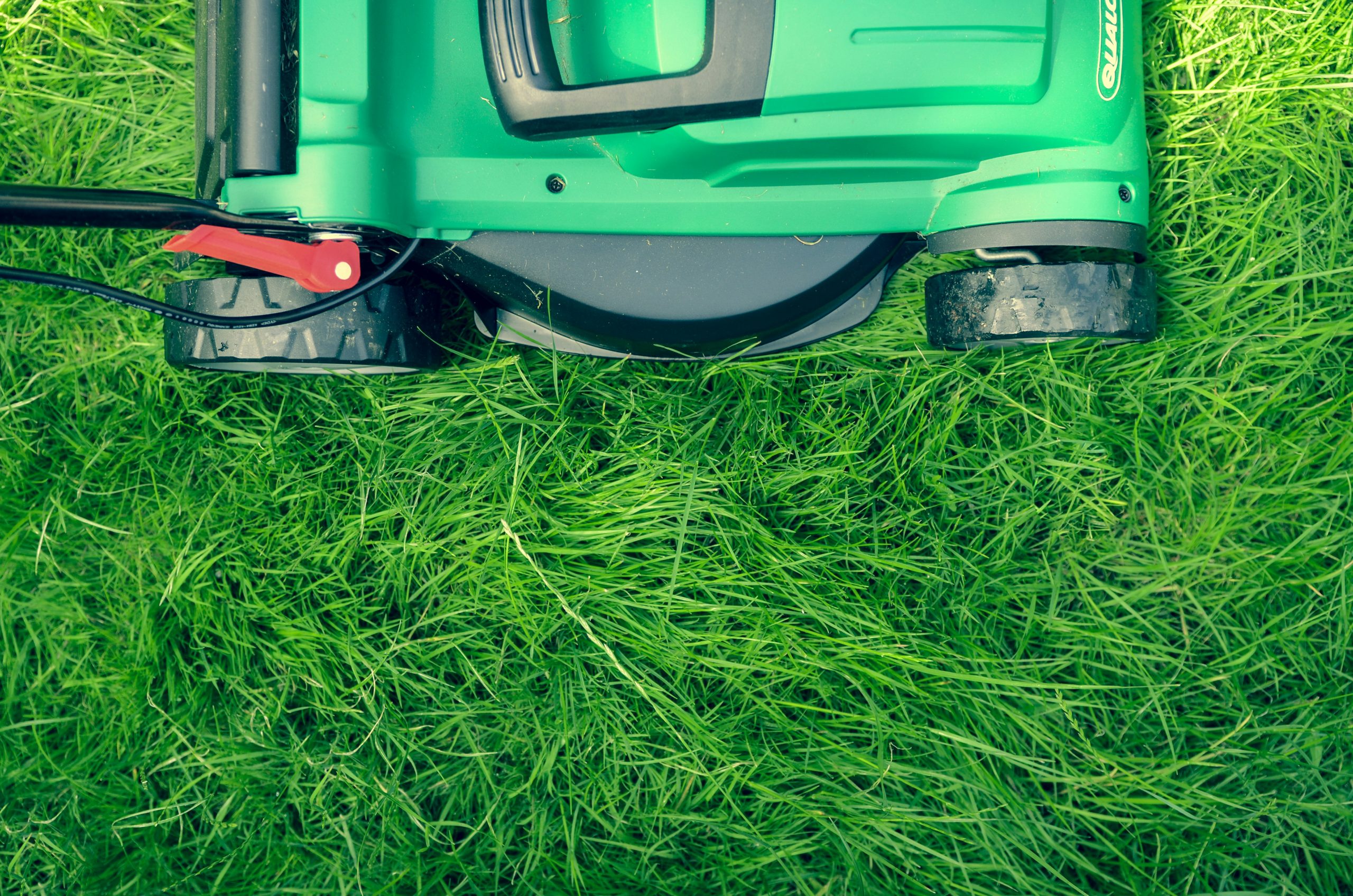
Photo by Pascal Küffer: https://www.pexels.com/photo/a-person-in-orange-pants-cutting-grass-with-a-grass-cutter-11400234/