What to Know Before Buying Woodland Property
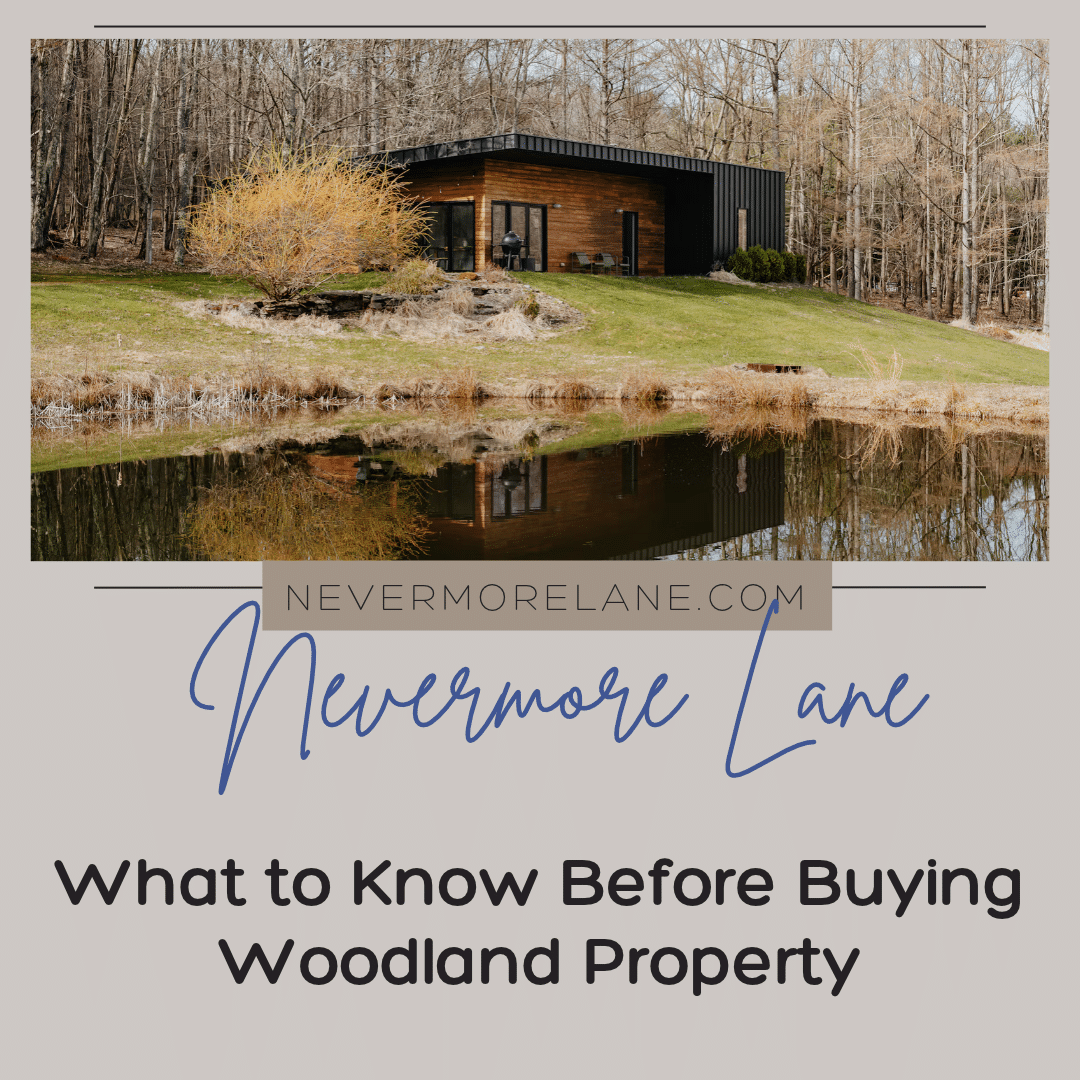
Woodland property can offer privacy, natural beauty and room for a future home, but trees can hide expensive site problems. Before signing a purchase agreement, look beyond the view and study how water, access rules and infrastructure will affect your plans. A careful review also gives you clearer numbers for site preparation, maintenance and construction.
Walk the Property in Every Season
Visit the land more than once and under different weather conditions. A dry summer tour may reveal open trails and attractive building sites, while a spring visit could show standing water, washed-out paths or streams that weren’t visible before. Winter makes it easier to see slopes, drainage channels and neighboring structures through bare branches.
Bring a map and record potential home sites, steep grades, damaged trees and signs of erosion. Walk the property boundaries if they’re marked, but don’t assume old fences follow the legal lines. General guidance for first-time land buyers also recommends checking surveys, easements and access before committing to a parcel.
If possible, talk with neighboring landowners about seasonal road conditions and past flooding. Their observations can help you identify issues that one afternoon visit might miss.
Identify Saturated Soil and Plant Life
Soft ground, shallow standing water and water marks on tree trunks can indicate that part of a property stays wet for long periods. Certain plants also favor damp soil, though plant identification alone can’t establish regulatory boundaries. Conditions may change within a short distance, leaving one section suitable for development and another subject to restrictions.
If you’re considering property in Mississippi, Alabama, Florida or Louisiana, professional wetland delineation can identify and map boundaries between wetlands and uplands for regulatory review and site planning. Ask for this work before choosing a building footprint, driveway or utility route.
Also request any available soil evaluations and drainage records. Saturated or poorly draining soil may require a revised site plan, added engineering or a different foundation design. Those costs belong in your purchase budget.
Review Zoning and Permitting Needs
Contact the local planning office before closing and explain exactly how you expect to use the property. Ask whether the parcel allows a primary residence, accessory buildings, short-term lodging or agricultural activity. Minimum lot sizes, building setbacks and road frontage requirements may limit usable space even on a large wooded tract.
Permit needs can extend beyond the house. Tree clearing, grading, stream crossings, septic installation and driveway connections may each require separate approval. A parcel without public sewer service will usually need a soil or percolation evaluation to determine whether an onsite system is feasible.
Practical advice on buying woodland property also highlights the value of understanding boundaries and land conditions early. Make your offer contingent on satisfactory inspections, title review and permitting research when local contracts allow it.
Plan Access Roads and Utilities
Confirm that the property has legal access from a public road. A visible path across neighboring land doesn’t automatically provide a recorded right to use it. Have the title documents reviewed for easements and note who must maintain any shared road.
Next, request written estimates for bringing in electricity, water and communications service. A utility line that appears close on a map may still cost thousands of dollars to extend across rough ground. If a well is needed, ask nearby owners about typical drilling depths and water quality, then consult local professionals for site-specific estimates.
Road construction also deserves close attention. Measure the distance from the public road to the likely building site and account for drainage pipes, gravel depth, grading and space for service vehicles to turn around. On steep or wet land, the driveway may become one of the largest early expenses.
Woodland purchases work best when the usable area, not the total acreage, supports your plans. Before closing, mark the likely building site and trace a realistic route for the driveway and utilities. If those elements fit without disturbing sensitive ground or exceeding your budget, the property has a much stronger foundation for the future.
Image Credit: Unsplash