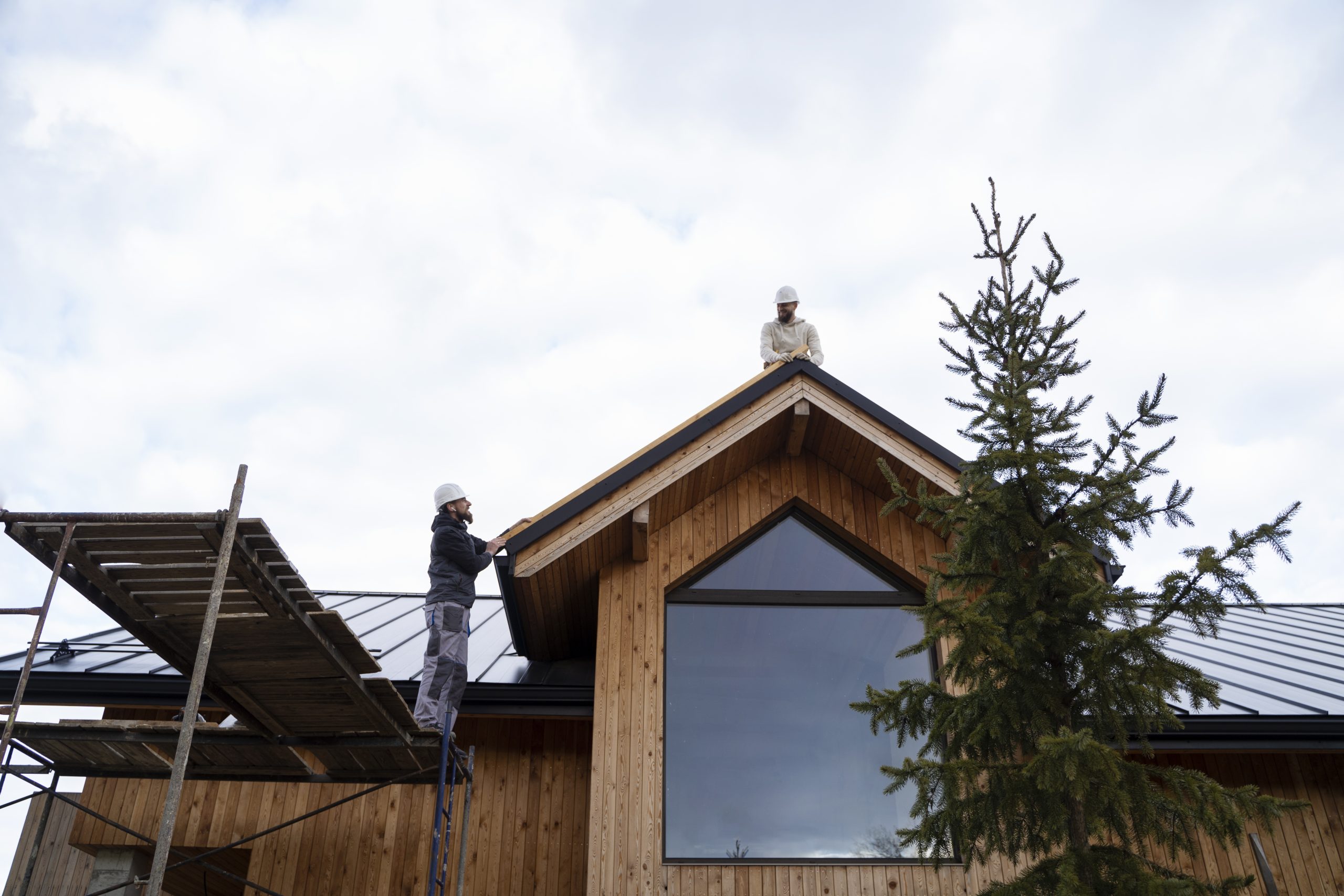
What Homeowners Should Know About Exterior Upkeep

The outside of a house does one job continuously and without pause: it keeps weather out. Rain, wind, sun, freezing, thawing, and everything living that wants inside all press against the same set of surfaces year after year.
Owners tend to notice the exterior only when it looks bad. By that point, the cosmetic problem is usually the smallest part of what is happening.
Where Small Damage Becomes Structural
Exterior walls absorb more weather than anything on a house apart from the roof, and the wear builds gradually enough that owners stop registering it. Warped panels, hairline cracks, and sections that have worked loose look purely cosmetic until moisture slips in behind them, and after that it breeds mold, softens the sheathing, and eats into framing well out of sight.
A storm hit or twenty years of sun and rain both end in the same place if nothing is done. The remedy is straightforward siding installation and repair carried out before the damage reaches anything structural. Vinyl, cedar, and fiber cement all fall within that work, so whatever is on the walls now sets the method.
Reading the Roof from the Ground
Twice a year, walk the perimeter and look at the roof carefully. You do not need to climb it, and for most homeowners you should not.
Look for shingles that are curling at the edges, missing entirely, or lying flat in a way that breaks the pattern. Check whether granules are accumulating at the bottom of downspouts, which indicates the surface layer is wearing away. Examine the metal flashing around chimneys, vents, and where roof planes meet, since those junctions are where leaks usually begin rather than in the open field of the roof.
Inside, check the attic after heavy rain. Water staining on rafters or sheathing, daylight visible through the deck, or a damp musty smell all point to a roof that is no longer sealing.
Gutters and Water Management
Gutters are the least interesting part of a house and among the most consequential. Their whole purpose is moving water away from the structure, and when they fail, water goes exactly where it does the most damage.
Clean them at least twice yearly, more often with mature trees nearby. Check that they are still pitched correctly toward downspouts, since standing water in a gutter means it is not draining. Look at the fasteners, as sagging sections pull away from the fascia and eventually take the board with them.
Downspouts need to discharge well clear of the foundation. Water dumped at the base of a wall saturates soil, presses against the foundation, and finds any weakness in it.
Soffit and Fascia
The boards running along the roof edge do more than finish the look. Fascia carries the gutters and closes the roof edge against weather. Soffit ventilates the attic, which regulates temperature and moisture across the whole roof system.
Rot in either is common and usually starts from gutter overflow. Peeling paint, soft spots, and visible staining are the early signs. Blocked soffit vents cause a subtler problem, trapping heat and moisture in the attic, which shortens roof life and drives up cooling costs.
Windows, Doors, and Seals
Every opening in an exterior wall is a potential entry point for both water and air. Caulk fails, weatherstripping compresses, and seals break down gradually enough that nobody notices the change.
Inspect the caulk around window and door frames annually. Cracked or missing sections need removal and replacement rather than a fresh bead applied over failing material. Check that weep holes in window frames remain clear, since blocked ones trap water inside the assembly.
Failed seals in double-glazed windows show as fogging or condensation between the panes, meaning the insulating gas has escaped, and the unit no longer performs as designed.
Paint and Protective Finishes
Paint on exterior surfaces is protection first and appearance second. When it fails, the material underneath is exposed directly to moisture.
Watch for peeling, blistering, chalking, and cracking. Repainting on schedule is far cheaper than replacing wood that has rotted because the finish was allowed to go. Wood surfaces facing south and west weather fastest and typically need attention first.
Preparation determines how long the result lasts. Paint applied over dirty, loose, or damp surfaces fails quickly regardless of what it cost.
Grading and Drainage Around the House
Look at the ground itself. Soil should slope away from the foundation on all sides, dropping roughly six inches across the first ten feet.
Settling changes grading over time without anyone noticing. Where soil has sunk against the house or landscaping beds have been built up higher than the surrounding grade, water is being directed toward the structure rather than away from it.
Keep plantings back from walls. Shrubs pressed against siding trap moisture, restrict airflow, and give insects a direct bridge inside.
Seasonal Rhythm
Exterior work follows the calendar naturally.
Spring is for assessing winter damage: check the roof, clear gutters, look for cracks that freezing opened, and inspect paint and caulk.
Summer suits repair and finish work, when surfaces are dry and temperatures suit paint and sealants. Fall is preparation. Clear gutters again after leaves drop, seal gaps before freezing weather, trim branches overhanging the roof, and drain exterior faucets.
Winter is mostly an observation. Watch for ice dams forming at the eaves and note where snow melts unevenly on the roof, which reveals where heat is escaping from the attic.
Deciding What to Handle Yourself
Ground-level inspection, caulking reachable openings, keeping plantings trimmed, and clearing accessible gutters are all reasonable homeowner tasks with basic equipment and sensible caution.
Anything requiring roof access, structural repair, or material replacement belongs to someone with proper equipment and insurance. Falls from ladders and roofs account for a substantial share of serious home injuries, and no repair is worth that risk.
The economics support getting help early. A modest repair addressed on time prevents the far larger bill that arrives when water has been working behind a wall for two seasons.