What Common Ear Candling Rituals Get Dangerously Wrong
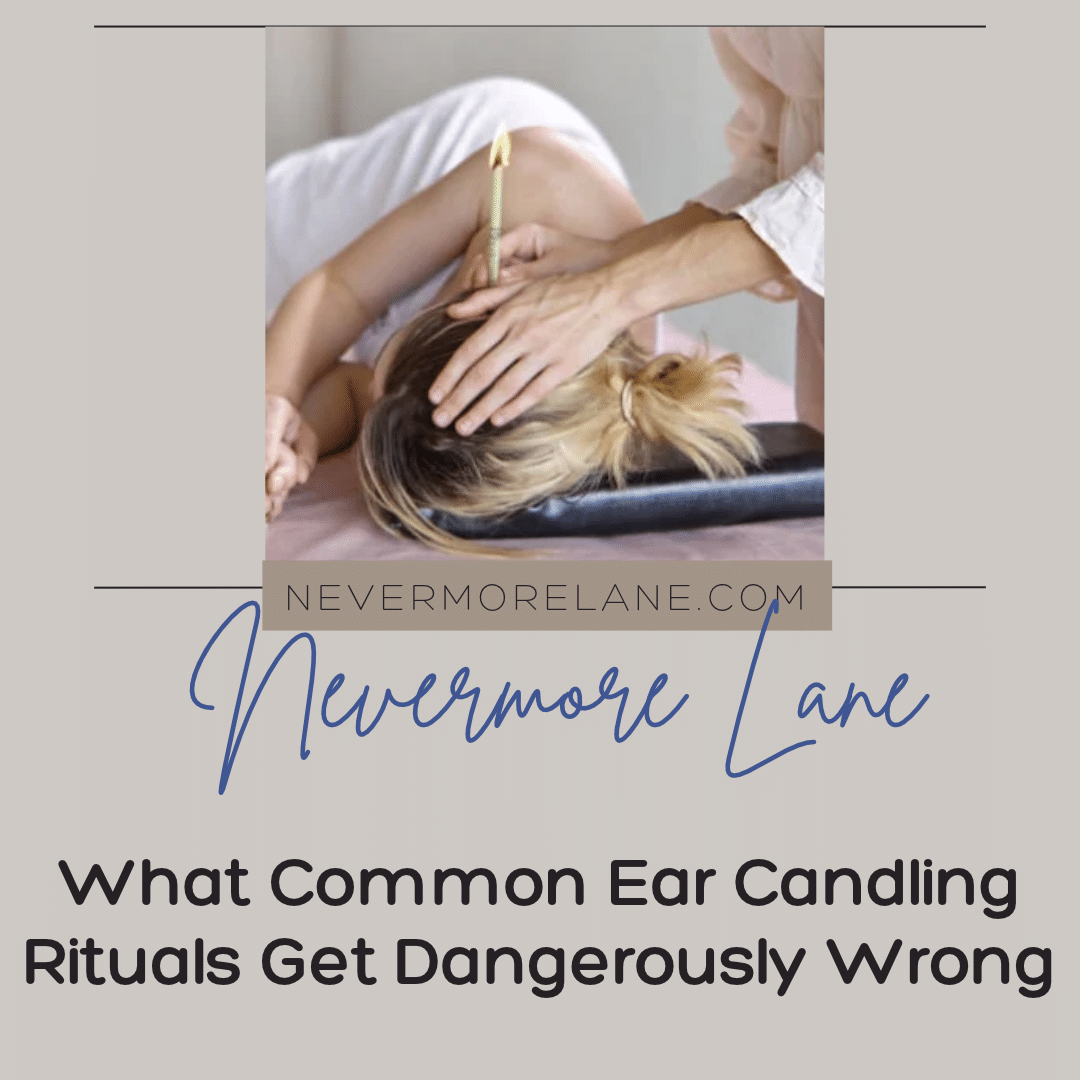
Ear candling is often presented as a soothing way to clear blocked ears, but the practice can cause burns, deposit melted wax, and delay proper treatment. The basic ritual involves placing a hollow cone in the ear canal and lighting its exposed end. Supporters claim that heat creates suction, yet clinical evidence doesn’t support that explanation. Understanding what happens during the process makes it easier to choose safer care when your ears feel clogged, itchy, or unusually muffled.
The Mystique of Historic Coning Practices
Ear cones are frequently marketed with stories about ancient healing traditions. However, these origin claims are difficult to verify and don’t establish that the practice works. Modern demonstrations may also feel convincing because residue appears inside the cone after burning. That material generally comes from the cone itself, not from the ear.
Medical guidance on the dangers of ear candling explains that the procedure has no proven ability to create enough suction to remove wax. A calm setting, pleasant scent, and ceremonial routine may feel relaxing, but none of those features make an open flame near the ear safe or medically useful.
Thermal Hazards Behind the Flame
A burning cone can release hot wax or ash onto the outer ear, face, or hair. Melted material may also enter the ear canal and cause painful burns to its delicate skin. Because the flame and ear canal are difficult to monitor during the procedure, an injury may go unnoticed until damage has occurred.
If your hearing feels blocked, seek a professional assessment and consider ear wax removal if clinically appropriate. Never use another cone to try to clear the blockage. Information on ear candling safety highlights potential complications, including burns, ear canal blockage, and eardrum perforation. Seek prompt medical attention if you experience sudden pain, discharge, bleeding, or hearing loss.
How Cones Worsen Cerumen Buildup
Cerumen, commonly called earwax, protects the canal by trapping dust and helping maintain its natural moisture. Usually, jaw movement slowly carries old wax toward the ear opening. Problems develop when wax becomes compacted, the canal is narrow, or objects push the material deeper.
Ear cones can add more debris instead of extracting what’s already there. Melted candle wax may cool inside the canal and form a new obstruction on top of existing cerumen. You could then notice greater pressure, muffled sound, or ringing. Avoid inserting swabs, hairpins, or other objects to investigate. If symptoms began after candling, tell the clinician exactly what was used and when the session occurred.
Clinical Methods for Safe Ear Wax Removal
A clinician first checks the ear with an otoscope to confirm that wax is causing the symptoms. This examination matters because congestion, infection, fluid behind the eardrum, and sudden hearing changes can feel similar to an ordinary blockage.
Depending on your ear health and the type of buildup, care may include microsuction, controlled irrigation, or removal with specialized instruments. Wax-softening drops may be recommended before an appointment, though they aren’t suitable for everyone. Ask a clinician first if you’ve had a perforated eardrum, previous ear surgery, persistent pain, or discharge. After treatment, seek follow-up care if hearing remains reduced because the wax may have been masking another condition.
Protecting Delicate Sensory Pathways
Your ear does more than collect sound. The eardrum and tiny middle-ear structures transmit vibrations, while the inner ear converts them into nerve signals and supports balance. Because this system is sensitive, heat, pressure changes, and physical injury can interfere with its function.
Protect your ears by leaving the ear canal alone unless a qualified professional gives you specific instructions. Wipe only the visible outer ear with a soft cloth, and keep potentially irritating products away from the opening. If you experience repeated blockages, consider regular reviews, especially if you use hearing devices or naturally produce firm earwax.
Developing healthy habits can also help protect your hearing over time. These tips for lifelong ear health offer additional guidance on preventing hearing damage and maintaining healthy ears.
Most importantly, treat sudden hearing loss in one ear, severe dizziness, or intense ear pain as urgent symptoms rather than routine wax problems. Seek prompt medical attention if they occur.