Warning Signs Your Water Heater Needs Attention Before It Breaks Down
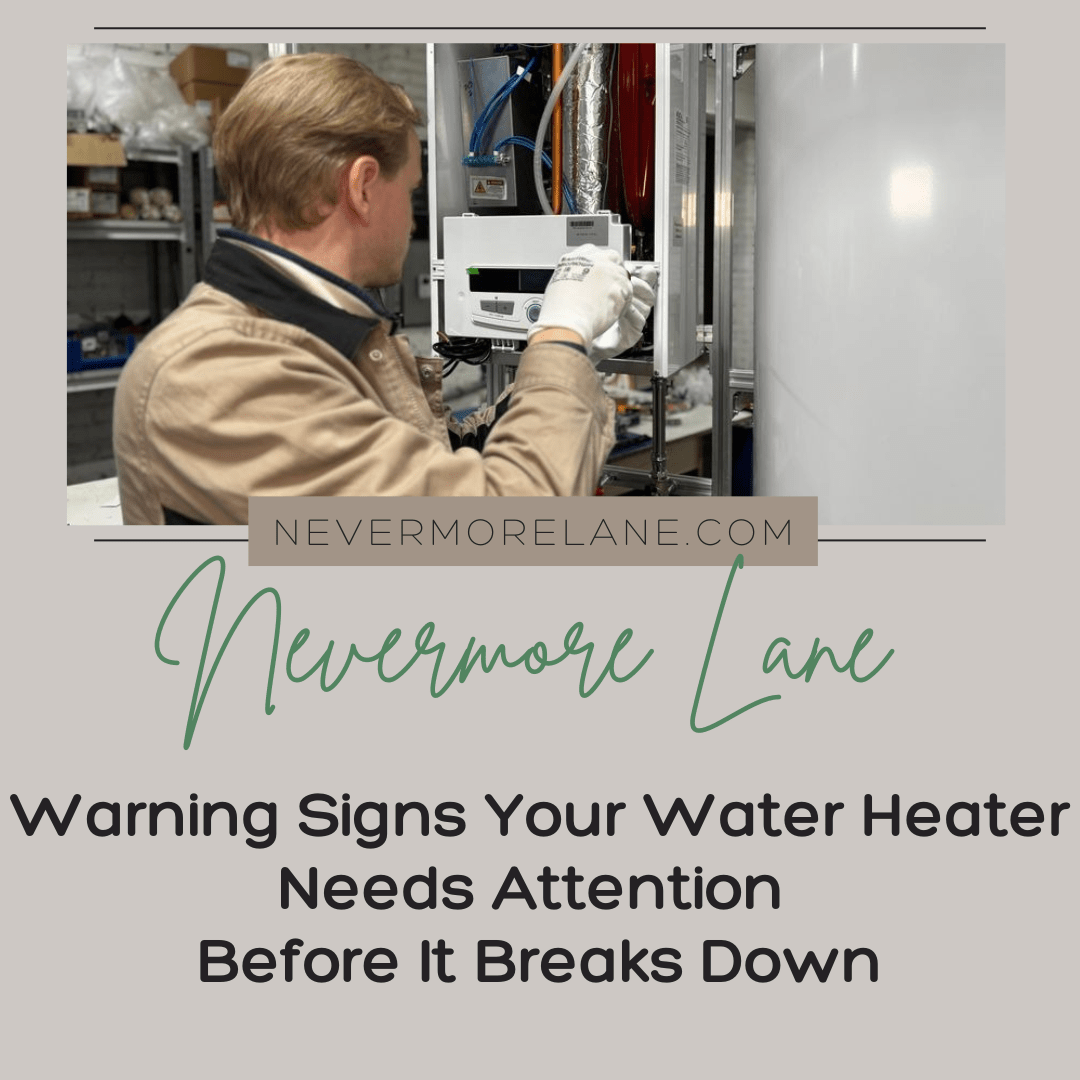
Hot water is one of those things you barely think about until it vanishes mid-shower. Then suddenly, your house feels a little less civilized. If you live in a place with cold winters like Cleveland, a struggling water heater can become more than a mild annoyance. It can affect your routine, your utility bills, and even your floors if a leak turns dramatic. Knowing the warning signs early gives you more control and fewer unpleasant surprises.
Strange Noises Usually Mean Something Is Building Up
If your water heater sounds like it is popping, rumbling, or banging, it is not developing a personality. It is often reacting to sediment buildup inside the tank.
Minerals from hard water settle at the bottom over time. As water gets trapped under that layer and heats up, it creates those weird noises. The heater then has to work harder, which can raise energy use and wear down internal parts faster.
You might notice the noise gets louder after long showers or laundry loads. That pattern matters. A flush may help if the unit is still in decent shape, but older systems with heavy buildup often need closer inspection. Ignoring the soundtrack rarely ends well.
Small Leaks Have a Habit of Becoming Expensive Leaks
A little moisture around the base of your water heater may look harmless, but it can signal trouble with valves, fittings, or the tank itself. Water tends to travel, so the puddle you see is not always directly under the source.
Check for damp flooring, corrosion around connections, or water stains nearby. Condensation can happen, especially in humid conditions, but steady moisture deserves more attention. If the tank has a crack, replacement is often the only realistic fix.
This is the point where many homeowners weigh whether to troubleshoot or call water heater repair services before the damage spreads. Fast action can protect flooring, drywall, and nearby storage boxes that definitely did not sign up for a surprise bath.
Inconsistent Hot Water Tells You the System Is Losing Ground
A water heater in good condition should deliver a fairly stable supply. If your showers keep switching from hot to lukewarm, or you run out of hot water much faster than usual, something is off.
For tank systems, sediment can reduce the amount of usable hot water. Heating elements can also fail in electric models, while gas units may have burner or thermostat issues. In tankless systems, mineral scaling and clogged filters often interfere with performance.
Pay attention to how the problem shows up. If only one faucet runs cold, the issue may be local plumbing. If the whole house feels unpredictable, the heater itself deserves the side-eye. Consistency matters more than maximum heat.
Rusty Water and Metallic Smells Should Not Be Shrugged Off
When hot water starts coming out tinted brown, orange, or rusty, your water heater may be corroding from the inside. That is especially true if cold water looks clear while hot water does not.
Many tank-style units use an anode rod to attract corrosive elements and protect the tank. Once that rod wears out, the tank body becomes more vulnerable. A metallic smell can also point to reactions happening inside the system, especially in older units.
You do not need to panic the second you see discoloration once, but you do need to investigate. Sediment can sometimes stir up temporary cloudiness. Repeated rust-colored water, though, is a serious clue. Tanks do not heal themselves, despite what your budget might wish.
Rising Energy Bills Can Point to a Water Heater Working Overtime
If your utility bills creep up without a major lifestyle change, your water heater may be eating more energy than it should. Older units lose efficiency gradually, so the increase can be easy to miss at first.
Sediment buildup, failing thermostats, worn heating elements, and poor insulation all force the system to work longer for the same result. It is a classic case of doing more and accomplishing less.
Take a quick look at your usage patterns before blaming the heater. If you are not suddenly running a home spa, the equipment may be the issue. Water heating is one of the biggest energy costs in many homes, according to the U.S. Department of Energy. Even moderate inefficiency can show up on the bill.
Age Matters More Than Most Homeowners Expect
A water heater does not usually fail on a precise schedule, but age still gives you useful context. Traditional tank water heaters often last around 8 to 12 years, while tankless units can last longer with proper maintenance.
If your unit is nearing the later part of its expected lifespan and showing multiple warning signs, repair may only buy a little time. Replacing one part in an aging system can feel satisfying until another part quits two months later. Not exactly a victory lap.
You can usually find the manufacture date on the serial number label. If decoding it feels like reading ancient runes, search the brand online or check resources from the International Association of Certified Home Inspectors. Age alone does not settle the repair-versus-replace debate, but it should absolutely be in the room.
Basic Maintenance Can Prevent a Lot of Trouble
Water heaters do not need constant attention, but they do benefit from simple routine care. Flushing the tank periodically helps reduce sediment. Testing the temperature and pressure relief valve supports safety. Checking the anode rod can slow corrosion before it becomes a bigger problem.
For tankless units, descaling is especially important in homes with hard water. Dirty filters and mineral deposits can quietly chip away at performance. A maintenance visit costs far less than emergency replacement plus water damage cleanup.
If you are comfortable with basic home care, some tasks are manageable with manufacturer instructions and caution. For gas lines, electrical components, or anything involving pressure and leaks, professional help is the smarter move. Hot water systems are useful, but they are not great places for experimental confidence.
Knowing When to Repair and When to Replace Saves Time and Money
Not every problem means you need a new unit. A faulty thermostat, pressure relief valve, or heating element can often be repaired without much drama. The trick is looking at the full picture rather than one symptom in isolation.
If your heater is relatively new, has no tank corrosion, and has been maintained reasonably well, repair often makes sense. If it is older, leaking from the tank, delivering rusty water, and running inefficiently, replacement may be the more practical option.
Think in terms of risk, not just immediate cost. A cheaper repair is not truly cheaper if it delays the obvious and leaves you dealing with a cold shower and soaked utility room later. Water heaters rarely fail at a convenient time, which feels almost like a hobby.
A Little Attention Now Beats a Full Breakdown Later
Your water heater usually gives signals before it completely taps out. Noises, leaks, inconsistent temperatures, rust, and higher bills all count as early warnings worth taking seriously.
The goal is not to obsess over every creak in the utility room. It is to notice patterns, act before damage spreads, and make informed choices about repair or replacement. That approach protects your budget, your schedule, and your floors.
If you stay alert to the small signs, you are much less likely to get blindsided by the big ones. Hot water should feel boring and reliable. That is the dream, really.