Understanding Your Dog’s Body Language
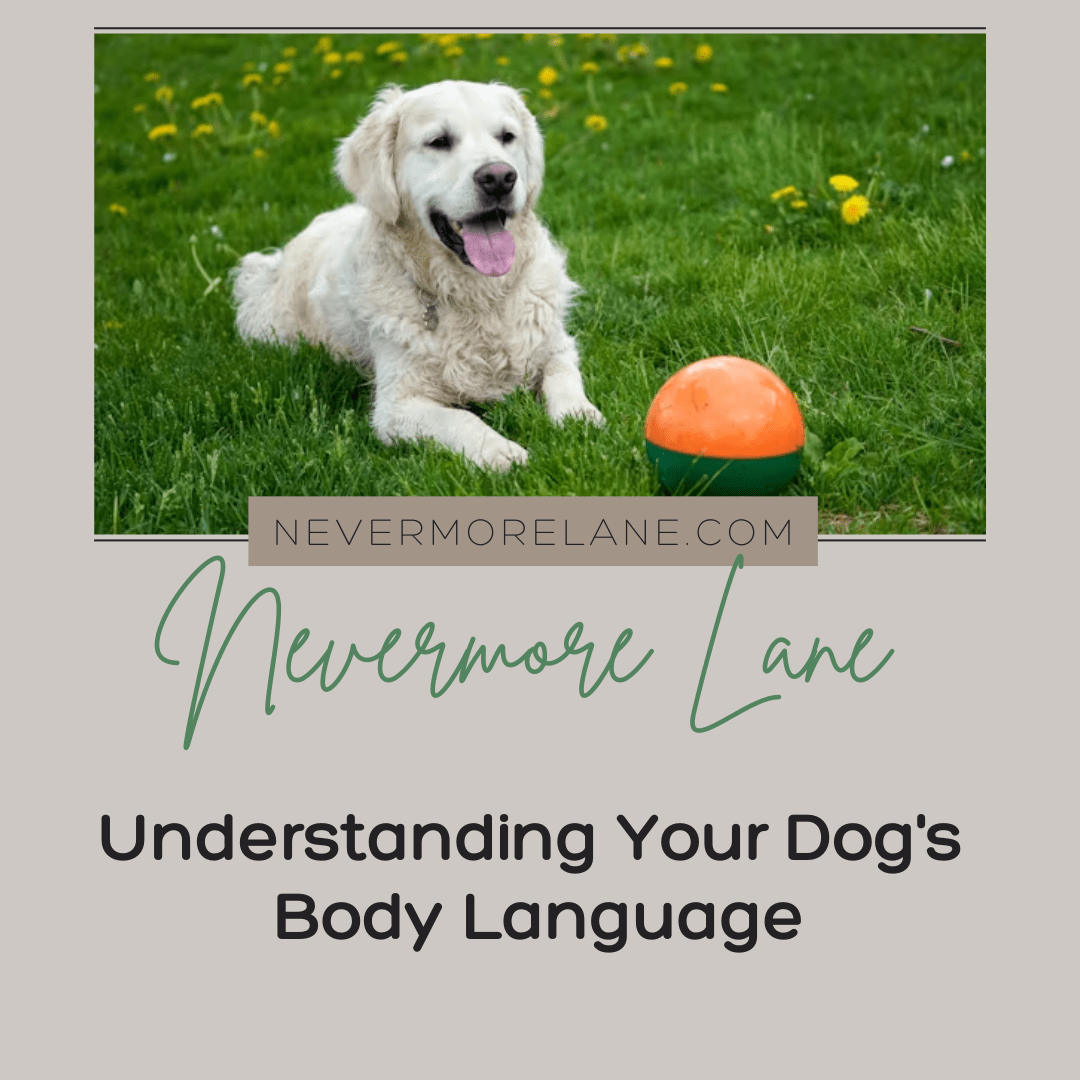
Our dogs are always talking to us, even without words. They use all sorts of body language, sounds, and gestures to show us how they’re feeling. Learning to understand this language is one of the best parts of having a dog. It changes your relationship from just hanging out to a deep, shared understanding. When you can read your dog’s signals, you can better meet their needs, guess how they’ll react, and build a strong trust that lasts forever. Really, understanding canine body language isn’t about becoming a dog expert. It’s more about being a caring, friendly companion to your furry family member.
Decoding Tail Wags and Ear Positions
One common idea in the dog world is that a wagging tail always means a happy dog. While a wagging tail can definitely mean happiness, the real message is in the details of how it moves. How high and fast the tail wags is important. A high, fast, stiff wag can show excitement or even aggression, but a loose, full-body wag that includes their hips is a true sign of joy. A low, slow wag might mean they feel unsure or are trying to be friendly. If their tail is tucked tightly between their legs, that’s a clear sign of fear.
Dogs’ ears are also like little emotional gauges. Here’s a quick guide to what their position might tell you:
- Forward and Alert: Your dog is interested and focused on something. Their ears are perked up to catch every sound.
- Relaxed and Neutral: Their ears are in their normal spot, meaning your dog is calm and comfortable.
- Pulled Back Slightly: This can be a friendly or submissive sign, often seen when they greet someone or another dog they like.
- Pinned Back Tightly: This is a strong sign of fear, worry, or stress. A dog with ears pinned back is uncomfortable and might be ready to run away or defend themselves.
Watching their tail and ears together helps you get a fuller picture. For example, a dog with relaxed ears and a sweeping, mid-level tail wag is probably feeling happy and friendly. Learning how to read dog body language is like learning a new language, and paying attention to the small details of dog tails and ears is your first lesson.
Recognizing Stress Signals
Dogs often show signs of stress long before they start growling or snapping. These early signals are subtle and easy to miss if you don’t know what to look for. Spotting these “calming signals” is key to stopping stressful situations from getting worse. When a dog feels overwhelmed, they might use these behaviors to tell others they’re uncomfortable, hoping to calm things down.
Some of the most common stress signals include:
- Lip Licking: A quick flick of the tongue when there’s no food around.
- Yawning: A yawn when they’re not tired is a classic sign of stress or anxiety.
- Whale Eye: This happens when a dog turns its head away but keeps its eyes on what’s bothering them, showing the whites of their eyes in a crescent shape.
- Panting: If your dog is panting when it’s not hot and they haven’t been exercising, it could be a sign of stress.
- Shaking Off: A full-body shake, like they’re wet, even when they’re dry, can be how dogs release tension after a stressful moment.
Learning to see these signals is a big part of being a responsible dog owner and a basic step in good dog training. When you see your dog doing these things, it’s a signal to check their surroundings and, if needed, move them away from the stressful situation. It’s their way of saying, “I’m not okay with this,” and we need to listen.
Vocalizations and What They Mean
A dog’s bark isn’t just one sound. The pitch, how often they bark, and the situation can tell you a lot about what your dog is trying to say. A series of high-pitched barks might be a happy greeting or an invitation to play. A single, sharp, low-pitched bark often means surprise or a warning to someone new. Long strings of barks can show loneliness or boredom, especially when you’re not home.
Besides barking, dogs have many other sounds:
- Growling: This is a clear warning. A growl means “stop what you’re doing and back away.” It’s a very important message that you should always respect, not punish. If you punish a growl, you might teach your dog to bite without warning.
- Whining: Whining can mean many things, from “I need to go outside” to “I’m hurt” or simply “pay attention to me.” You’ll need to look at the situation and other body language to figure out why.
- Howling: Often a response to sounds like sirens or other dogs, howling is a deep-seated pack behavior used to communicate over long distances. It can also be a sign of separation anxiety in some dogs.
By decoding your dog’s language, you can better understand what they need and respond correctly to what they’re trying to tell you.
Responding to Behavior Cues
Once you start recognizing your dog’s signals, the next step is to act on them. Responding well to your dog’s communication is how you build trust. If your dog comes up to you with a soft body, wagging tail, and relaxed ears, they’re asking for some love. This is the perfect time for gentle pets and praise. If they bring you a toy and do a play bow (front end down, back end up), they’re clearly asking for a game of fetch or tug.
On the flip side, it’s just as important to respect their signals for space. If a visitor reaches out to pet your dog and your dog yawns, licks its lips, and turns its head away, it’s politely saying “no thanks.” Step in for your dog and ask the person to give them some room. Forcing an interaction can create bad feelings and hurt your dog’s confidence. If your dog shows fear during a walk by tucking its tail and trying to pull away from a loud truck, comfort them and calmly lead them away from the scary thing. Don’t make them face their fears head-on. By showing your dog that you understand and will protect them from things they find overwhelming, you become their safe place.
The Link to Effective Training
Understanding your dog’s body language is the secret to training them better and more kindly. When you can read how your dog is feeling, you know when it’s a good time to train and when it’s better to take a break. A dog that’s stressed, scared, or too excited isn’t in the right mindset to learn. Their brain is focused on staying safe, not on figuring out what “sit” means.
If you start a training session and notice your dog yawning, sniffing the ground a lot, or avoiding eye contact, they might be telling you they’re confused or feeling pushed. This is your cue to make the task easier, go back to something they already know, or end the session with a fun game. Training should be a positive experience that builds your dog’s confidence. Paying attention to their body language helps you make sure you’re working with your dog, not against them. This creates a willing partner who sees training as a fun and rewarding activity to do with their favorite person.
Learning your dog’s language is an ongoing chat. It takes patience and watching closely, but the reward is a deeper, more connected relationship built on shared respect and understanding.
Image Credit: Unsplash