Travelling Abroad for Learning and Exploration: A Complete Guide
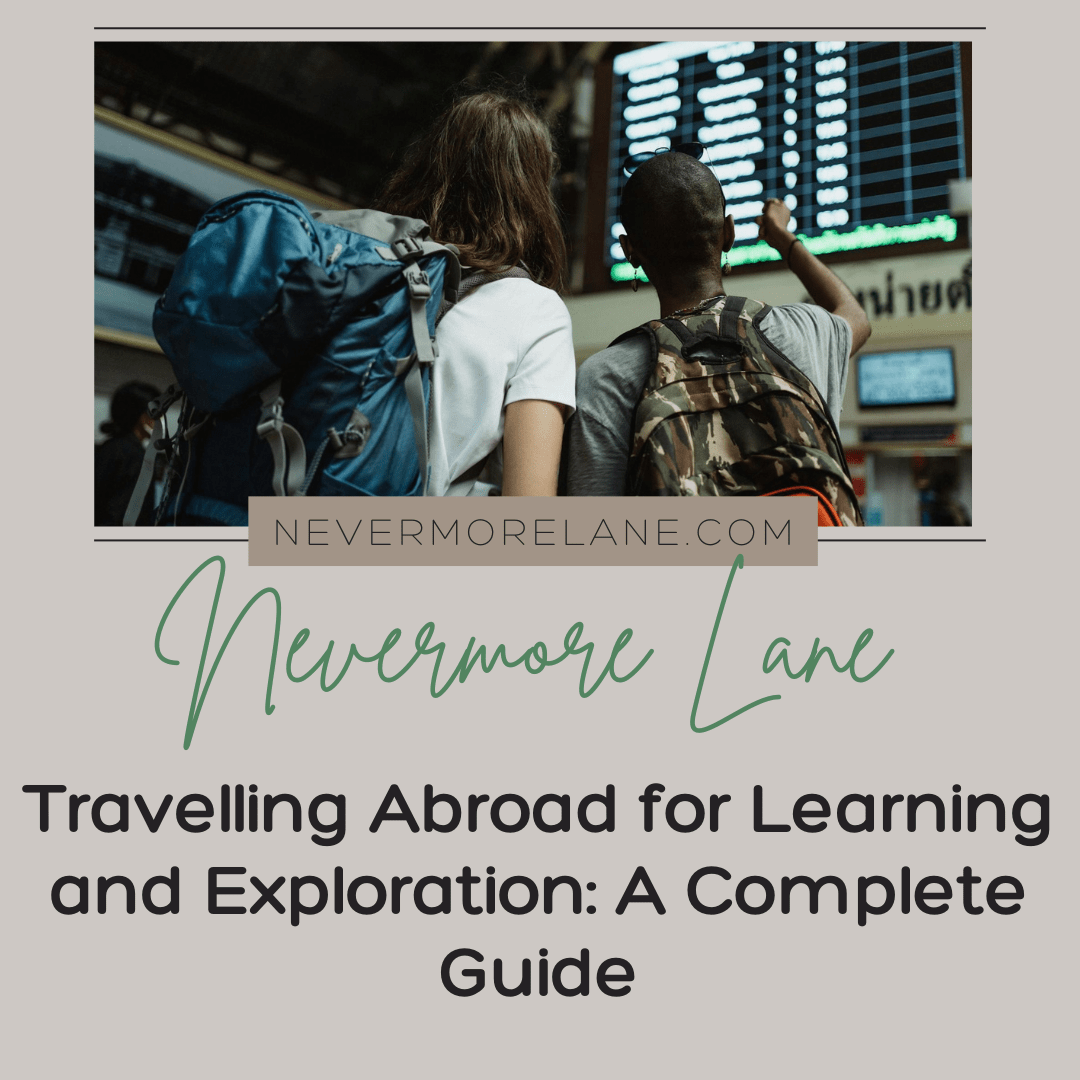
Travelling abroad hits different when you’re not just there for photos. It’s not only about seeing places; it’s also about picking things up along the way. New ideas, new habits, even new ways to think.
Some people go for courses, others for research. Then, there are those who just want to explore (with purpose). In any case, you come back with more than memories. Skills, perspective, maybe even direction. But is it something you just decide one day and get on a plane? Of course, not.
You need a plan, and you need to match some requirements. We’ll explain more in this article.
Understanding the Purpose of Learning Through Travel
So first things first. Why are you going? Sounds obvious, but most people skip this bit. If you don’t know what you want out of it, you’ll drift.
Learning abroad isn’t just about lectures and books. It could be cultural, practical, or even personal. You might want to improve a language, explore a subject, or just see how people live elsewhere. All valid.
Set a loose goal. Not something rigid, just a direction. Helps you decide where to go, what to do, and how to spend your time.
Exploring Universities and Academic Opportunities Abroad
Now, if you’re serious about learning, universities are a solid starting point. Most have open lectures and short courses. You can even attend some events and learn a lot about them.
You can explore libraries, research centres, and public talks. There’s a lot going on if you look for it. You don’t always need to be enrolled, either. Some places welcome visitors.
But here’s the deal – if you’re thinking of staying longer for research or academic work in the UK, for instance, there’s a proper process. You’ll likely need an academic visitor visa. That’s for academics who want to carry out independent research or take part in formal exchanges.
Here’s what you’ll need:
- An invitation from a UK institution
- Proof of your academic background
- Evidence that you can support yourself financially
- A clear plan showing you’re not taking paid work
Planning Your Travel Timeline
Timing can make or break the whole thing. Turn up at the wrong time, and you miss out on half of what you came for. So, check academic calendars. Universities run on schedules, not vibes. If you want to attend lectures or events, you need to time your visit right.
Length of stay matters too. Too short, and it feels rushed. Too long without a plan, and you lose focus. Find a middle ground. Always the best way to go.
Budgeting for a Learning-Focused Trip
Now let’s talk about money. Yes, not the fun part, but so important, right?
However, you don’t need loads if you plan it right.
Start with the basics. Travel, accommodation, and daily expenses. After that, add anything academic. This could be course fees, entry tickets, and materials. Look into funding. Some programmes offer grants or scholarships, even for short stays. It’s worth checking before you pay for everything yourself.
While you’re there, keep it simple. You don’t need to do everything. Pick what actually adds value. Also, have a buffer. Things always cost more than expected. Always.
Preparing the Necessary Documents
Ahh, the paperwork – another not-fun part, but you can’t skip it. We’ve already mentioned when you might need an academic visa; now, let’s talk about general paperwork. Mess this up, and the whole trip falls apart before it even starts.
Got your passport? Check it. Sounds basic, but you need to check the expiry date. Some countries want at least six months left. No one tells you until it’s too late.
Then visas. Every country’s different, so don’t assume. Look it up properly, use official sources.
Financial proof comes up a lot, too. Bank statements, sponsorship letters… just showing you can support yourself.
And, please keep copies. Digital and printed. Phones die, apps crash, a lot can go wrong – that’s where paper helps.
Engaging with Local Culture and Communities
You can’t just stay in your own bubble and call it learning. Doesn’t work like that.
Start small. Learn a few basic phrases. Even a simple “hello” or “thank you” works (in the beginning). People notice the effort.
Watch how things work. How people interact, how they spend their time, what they value. You pick up more just observing than you’d expect. Try local food, attend events, walk around neighbourhoods, not just tourist spots. That’s where the real stuff is. And, talk to people. You don’t have to exchange life stories but a general chat can be quite refreshing.
Making the Most of Educational Experiences
If you’re going to attend lectures or workshops, don’t just sit there. Get involved. Ask questions, take notes, stay engaged. Otherwise, what’s the point?
You don’t need to write everything down. Just key ideas, things that stand out. Helps you remember later. Also, step outside formal learning. Visit museums or exhibitions – there are so many ways to learn without it feeling like study.
Some places offer free or low-cost access if you look around. Worth checking.
Balancing Exploration with Responsibility
It’s easy to get carried away. New place, new energy, so you want to do everything. But, you’ve still got responsibilities, right?
If you’re part of a programme or research visit, show up properly. Be on time, stay prepared. People notice.
At the same time, don’t overdo it. Running around non-stop gets tiring fast. You burn out, and then you’re not learning much anyway.
It’s about balance. Enjoy the place, but don’t lose track of why you’re there.
Reflecting on Your Experience and Applying What You Learn
You’ve done all this, great! Now what?
Take some time to think about it. What did you actually learn? Not just facts, but how it changed your thinking. Write things down if it helps. Notes, thoughts, even small observations. Makes it easier to connect everything later.
Then use it. Apply what you picked up to your studies, your work, whatever you’re doing next. Otherwise, it just fades.
Travelling like this isn’t about getting it perfect. You’ll miss things, plans will shift – it happens. But that’s part of it. What matters? It’s how you approach it. Stay open, stay aware. Don’t just pass through places without taking anything in. There’s always something to pick up if you’re paying attention.
Oh, and you don’t need to turn it into something overly serious either. Keep it simple, keep it real. Learn what you can, where you can.
That’s kind of the whole point. You go out, see things differently, and come back with something worth it all.