The Unsung Hero of the Book World: Why Audiobooks Deserve More Love
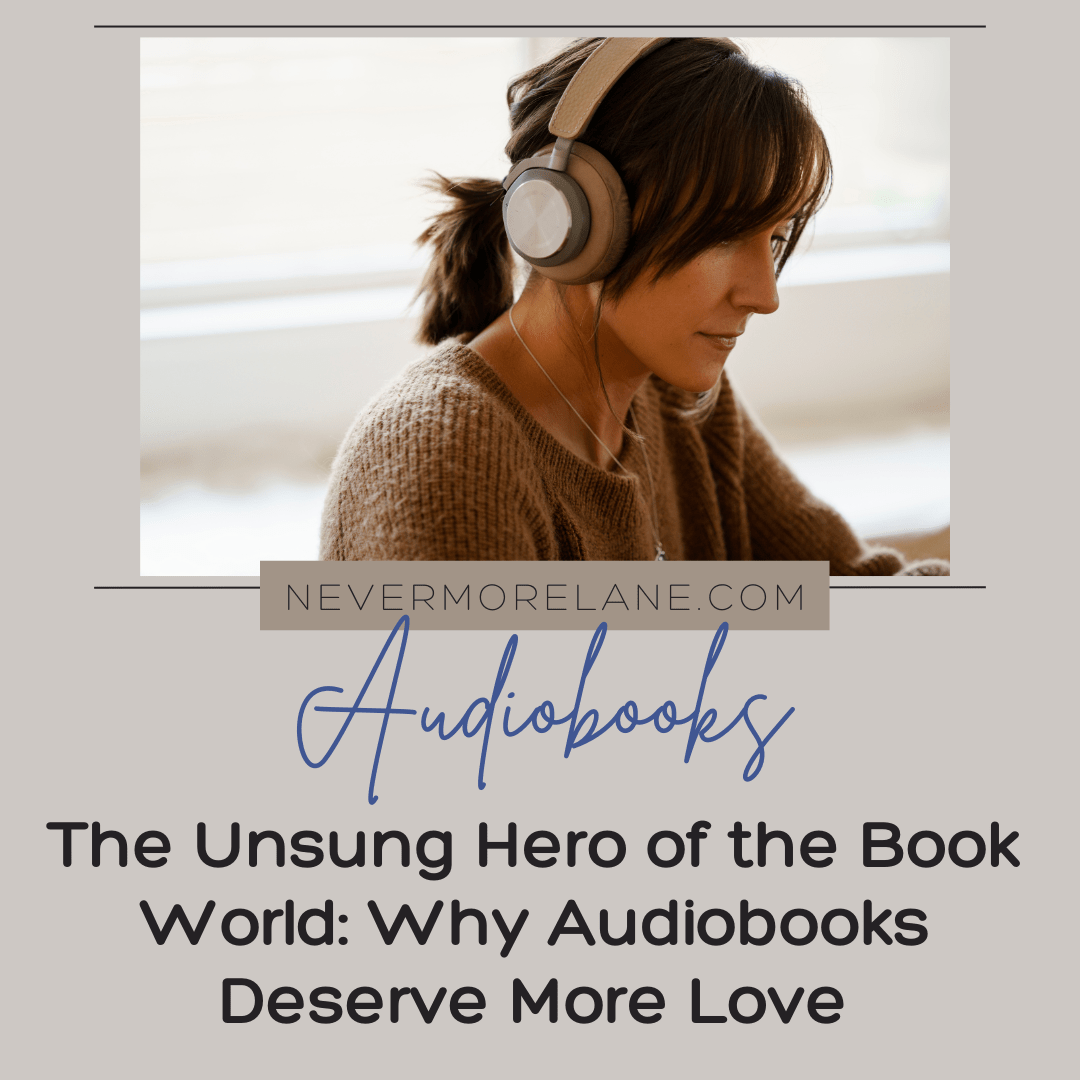
Settle in, friend. This one is close to my heart.There is a particular kind of magic that happens when a voice you trust begins to read to you. The dishes can wait. The inbox can wait. Even the to-do list pinned to the corkboard in your kitchen can wait, because right now, someone is telling you a story, and you are listening the way humans have always listened, with your whole self. I have been a reader for as long as I can remember, and I have been a book reviewer since 2008, logging titles across every format imaginable. Audiobooks have been part of my reading life for a couple of years now, and I will be honest with you: they count significantly toward my annual reading total, and I would not have it any other way.
Yet somehow, the conversation around audiobooks still carries a faint whiff of defensiveness. Readers who love them often feel the need to justify their choice, to clarify that yes, they still read print books too, as though audiobooks are a lesser thing, a consolation prize for people who cannot find time to sit quietly with a physical book. I find this framing exhausting, and a little sad, because it misses something essential about what reading actually is and what it has always been. Stories have lived in the human voice far longer than they have lived on a printed page.
This post is my love letter to audiobooks. Whether you are a lifelong listener or someone who has always been a little skeptical, I want to make the case that audiobooks are not just a convenience or a workaround. They are a full, rich, profoundly valid way to experience a book, and they deserve a permanent and celebrated place in the reading ecosystem.
Audiobooks and the Ancient Art of Listening to Stories
Long before Gutenberg, long before illuminated manuscripts and hand-copied scrolls, stories were sound. They lived in the mouths of bards and griots and grandmothers. They traveled by firelight. The idea that reading must be a silent, solitary, eyes-on-page activity is actually the newer invention, and it is worth remembering that when we talk about what counts as real reading.
The oral tradition is one of humanity’s oldest and most powerful technologies. Entire bodies of mythology, history, spiritual teaching, and cultural identity were transmitted for generations through listening alone. Homer was performed before he was printed. The epics of West Africa were sung. The stories of countless Indigenous peoples around the world were kept alive through voice, breath, and memory. When you put on an audiobook, you are not cheating at reading. You are participating in something genuinely ancient.
This matters because it reframes the conversation entirely. Audiobooks are not a degraded form of the printed book. They are a return to something older, something that human brains are arguably wired for. We process spoken language with remarkable sophistication. We track tone, rhythm, emphasis, and emotion in ways that carry meaning a printed page simply cannot replicate. Listening to a story well told is not a lesser cognitive experience. In many ways, it is an extraordinarily rich one.
Why Audiobook Narration Is an Art Form Worth Celebrating
A great audiobook narrator does something remarkable. They do not just read the words on the page. They make choices about character, rhythm, pacing, and emotional texture that add an entire interpretive layer to the text. A skilled narrator can make you cry at a passage you might have skimmed in print. They can make a villain genuinely unsettling, a comedy genuinely funny, a grief scene land like a stone in still water.
Think about what it means to hear a memoir read by its author. When Tara Westover reads her own words from Educated, or when Matthew McConaughey narrates Greenlights, there is an intimacy and an authority there that no print edition can replicate. You are hearing the person who lived it tell you what happened. That is not a lesser experience. That is arguably the truest version of the book that exists. The author’s own voice, the pauses they choose, the places where their breath catches, those are part of the text too.
Full-cast audiobooks and high-production audio experiences push this even further. Some audiobooks now include original music, sound design, and performances that make them feel more like immersive theater than traditional reading. These productions are their own art form, built on top of the source material but adding something genuinely new. Celebrating audiobooks means celebrating the narrators, producers, and sound engineers who make them, and recognizing that what they do requires real skill, craft, and artistic vision.
Audiobooks Expand Who Gets to Read and How Much
There is a practical dimension to this conversation that I think matters deeply, and it has everything to do with access and equity. Not everyone can read print. Not everyone has the vision, the neurological wiring, or the physical capacity to hold a book and move their eyes across a page. For readers with dyslexia, low vision, blindness, or certain learning differences, audiobooks are not a shortcut. They are the door into the reading world, full stop.
For others, audiobooks are the difference between reading and not reading at all. Parents of small children, people working multiple jobs, caregivers, commuters, people whose chronic illness makes sustained focus difficult: these are real readers with real literary lives who might get through far more books in a year via audio than they ever could otherwise. Dismissing audiobooks as not really reading means dismissing their reading lives too, and that is a gatekeeping posture the book community should have left behind long ago.
Speaking for myself: audiobooks have allowed me to read during moments that would otherwise be empty of books entirely. Walking the dog, doing dishes, folding laundry, driving to an appointment. Those minutes and hours add up over the course of a year in ways that have genuinely expanded my reading life. I have discovered authors through audiobooks that I might never have picked up in print. I have fallen in love with genres I might have avoided if I had needed to read them with my eyes instead of my ears. Audiobooks have made me a broader, more adventurous reader, and I suspect I am not alone in that.
How to Build a Richer Audiobook Life Without the Guilt
If you are already a devoted audiobook listener, the first thing I want you to do is let go of any residual guilt about it. You are reading. You are allowed to count your audiobooks in your annual tally, to log them on Goodreads, to recommend them with the same enthusiasm you bring to your favorite print titles. The format does not diminish the experience or your relationship with the book.
If you are audiobook-curious but have not fully committed, a few things can help. Narrator research is genuinely worth doing. A book that feels flat in one narrator’s hands can come alive in another’s, and most audiobook platforms allow you to preview a sample before you commit. Starting with a genre that suits audio well is also a good entry point. Memoirs, narrative nonfiction, and literary fiction with strong character voices tend to shine in audio format. Mysteries and thrillers with a good narrator can be almost unbearably tense in the best possible way.
Be patient with yourself as you build the listening habit. Some people find that audiobooks work best during specific activities, while others prefer to listen in a quiet space with their eyes closed, treating it more like reading in bed. There is no correct way to do it. Adjust your playback speed to a pace that keeps you engaged without losing comprehension. Return to sections that did not land clearly the first time. Treat it with the same care and attention you would give a print book, because it deserves that same care.
The Audiobook Has Always Belonged in Your Reading Life
I want to close this the way I started it: with a little warmth and a gentle nudge toward giving yourself permission. Reading is not a performance for anyone else. It is not about the format of the book or the way it is consumed. It is about the story, the ideas, the worlds and people and questions that a book brings into your life. Audiobooks do all of that. They do it beautifully, and they have been doing it for longer than we sometimes give them credit for.
The next time someone raises an eyebrow at your audiobook habit, you can smile and let it go. You know what you know. You know what it feels like when a narrator’s voice drops into a quiet moment and the whole world gets smaller and softer and more real. You know what it means to arrive somewhere, whether that is the end of a commute or the end of a long walk, and feel changed by what you just heard. That is reading. That has always been reading.
So put the headphones on. Press play. And never apologize for the way you love books.
If this post spoke to something in you, pull up a chair and look around. Nevermore Lane is full of slow, intentional writing about books, analog living, and the quiet magic of an unhurried life.
And if you want to sit with me a little longer, come join me for coffee. I share thoughts, recommendations, and the occasional overly personal reflection with the people on my list, and I would love for you to be one of them.
Like what you read? Drop me a line – let’s chat over virtual coffee.
~ Chrystal