The Appeal of Quiet Nature-Focused Vacations
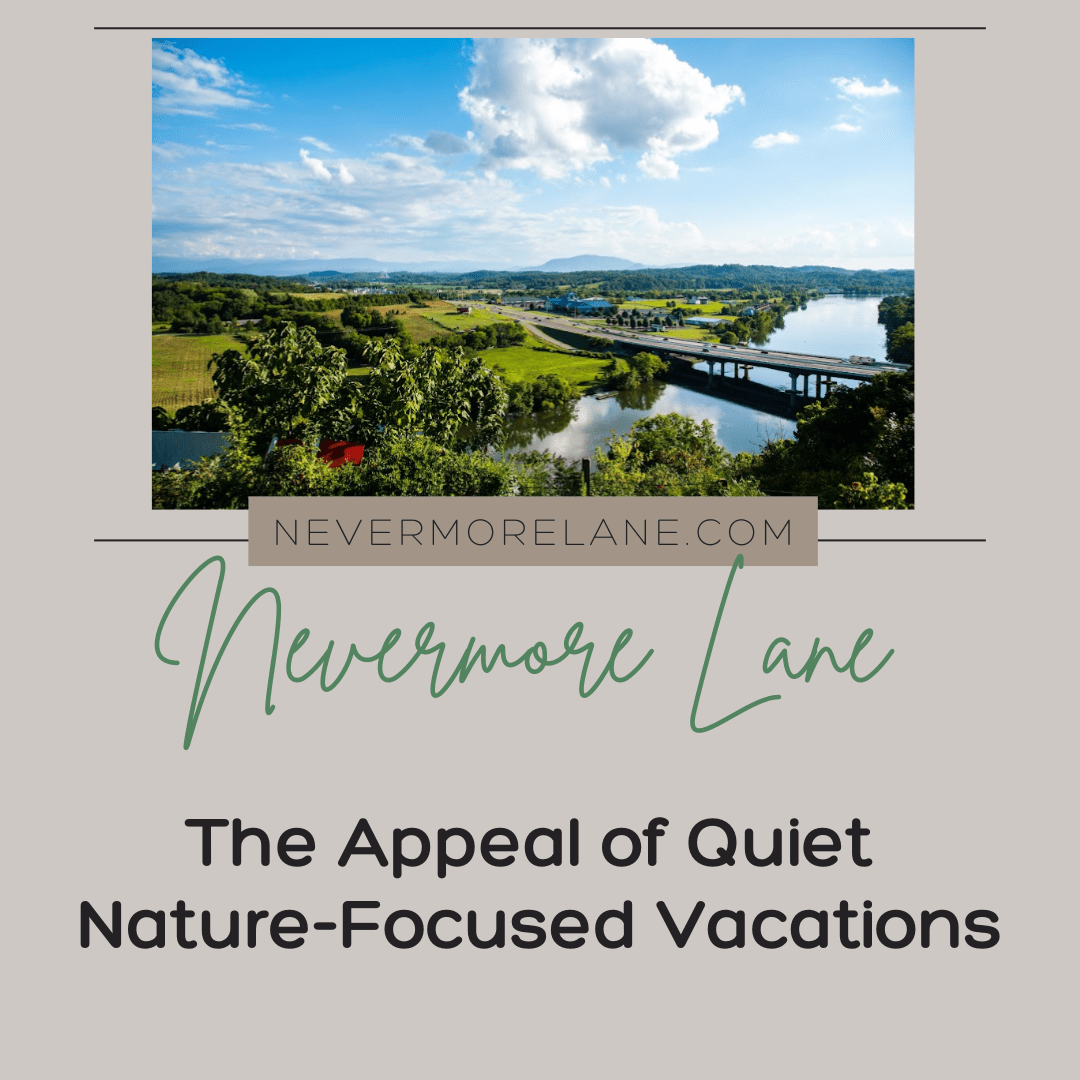
When was the last time you took a vacation that was actually quiet? Not “quiet except for notifications,” but truly calm. More travelers are starting to crave that kind of silence. In places like Sevierville, Tennessee, surrounded by the Smoky Mountains, nature-focused trips offer something many people now lack: space to breathe. As work, news cycles, and screens get louder, a slower style of travel is quietly becoming the most appealing escape.
Why Quiet Vacations Are Having a Moment
Travel trends over the past few years show a noticeable shift away from crowded tourist hubs toward quieter landscapes. After years of nonstop digital noise, people increasingly want vacations that feel restorative rather than exhausting. The popularity of remote work has also changed travel patterns, allowing visitors to stay longer in peaceful places where nature becomes part of daily life.
Even tourism boards have noticed the shift. National park visits surged after the pandemic, and many travelers now look for similar experiences in smaller mountain towns, forests, and lakeside areas. The irony is almost funny. People once traveled to cities for excitement, but now they travel to forests just to hear themselves think.
The Cabin Experience in the Smoky Mountains
The Smoky Mountains region has become a favorite for travelers seeking quiet without sacrificing comfort. Visitors researching cabin rentals Sevierville Tennessee often discover properties like Hearthside at the Preserve, located within The Preserve Resort community in Wears Valley. The cabins sit on scenic ridges that overlook the Smokies, giving guests long views of forested valleys and distant peaks.
Hearthside cabins balance privacy with modern amenities. Many include large decks, hot tubs, fireplaces, and game rooms while still keeping the natural surroundings front and center. The resort location places travelers about twenty minutes from Pigeon Forge attractions, yet far enough away to enjoy the calm of mountain evenings. That balance between peaceful scenery and practical convenience is part of what keeps visitors returning.
Escaping the Noise of Modern Life
One reason quiet nature vacations resonate today is simple: modern life is incredibly loud. Notifications arrive every few minutes, news alerts rarely stop, and social media rarely allows a true mental pause. Choosing a place surrounded by trees instead of traffic creates a rare opportunity to reset attention.
Psychologists often talk about “attention restoration theory,” which suggests natural environments help the brain recover from mental fatigue. Hiking trails, quiet lakes, or simply sitting on a cabin porch allow the mind to wander in ways that screens rarely permit. Many travelers report sleeping better and feeling calmer after only a few days in nature.
How Nature Changes the Pace of Travel
Travel in nature moves at a slower rhythm, and that slower pace often becomes the entire point of the trip. Instead of racing through a list of attractions, visitors spend time watching fog lift off mountains or listening to birds in the morning. These small moments create memories that feel surprisingly vivid.
The Smoky Mountains are especially good at encouraging that slower approach. Trails such as Kuwohi provide accessible views without requiring extreme hiking skills. Many travelers also enjoy scenic drives through Cades Cove, where wildlife sightings and historic cabins make the journey itself feel meaningful rather than rushed.
The Surprising Mental Health Benefits
Scientists and mental health experts increasingly support what many travelers already suspect. Spending time in nature reduces stress levels and can improve mood and focus. Studies have shown that even short walks through green spaces can lower cortisol, the hormone associated with stress.
This may explain why nature vacations feel different from traditional trips focused on constant activity. While theme parks and crowded city tours provide excitement, quiet outdoor environments encourage reflection and calm. Travelers often return home not just entertained but genuinely refreshed, which is a rare outcome in modern tourism.
Planning a Quiet Nature Getaway
A successful nature vacation requires slightly different planning than a typical tourist trip. Start by choosing accommodations that offer both comfort and access to outdoor areas, such as cabins near trails or scenic overlooks. Look for properties with outdoor spaces where you can spend time reading, cooking, or simply watching the landscape.
It also helps to build flexible schedules rather than tight itineraries. Plan one or two activities per day, like a hike or scenic drive, and leave the rest of the time open. That approach allows travelers to experience the calm that nature trips promise instead of accidentally recreating the same rushed routine they hoped to escape.
Technology Boundaries That Actually Work
Ironically, one of the best ways to enjoy a nature vacation is by setting clear limits on technology. Many travelers now treat quiet trips as a chance to step back from constant online engagement. That does not mean abandoning devices entirely, but rather using them intentionally.
Simple habits can make a big difference. Turning off nonessential notifications, keeping phones away during meals, and setting aside specific times to check messages helps preserve the calm atmosphere. Some visitors even choose cabins with limited signal coverage, which turns out to be a surprisingly effective digital detox strategy.
Why Small Mountain Towns Are Thriving
Small towns near natural attractions are benefiting from the growing interest in quiet travel. Places like Sevierville have seen steady tourism growth as travelers seek landscapes rather than nightlife. These destinations offer a balance of outdoor recreation, local culture, and slower pacing that larger cities often struggle to provide.
Local businesses have adapted to meet this demand. Visitors now find farm markets, scenic cafés, and guided outdoor experiences that emphasize the surrounding environment. The economic impact can be significant, but it also encourages communities to protect the natural resources that attract visitors in the first place.
The Quiet That Travelers Remember
Many vacations fade quickly once travelers return home. Quiet nature trips tend to linger in memory longer. Perhaps it is the way mountain air smells in the morning or the simple satisfaction of finishing a peaceful hike.
Those experiences feel meaningful partly because they contrast so sharply with daily life. In a world that moves quickly and loudly, a few days of calm landscape and slow conversation become something rare. Travelers may arrive looking for a break, but they often leave with a renewed appreciation for quiet moments they had almost forgotten existed.
Photo: Source