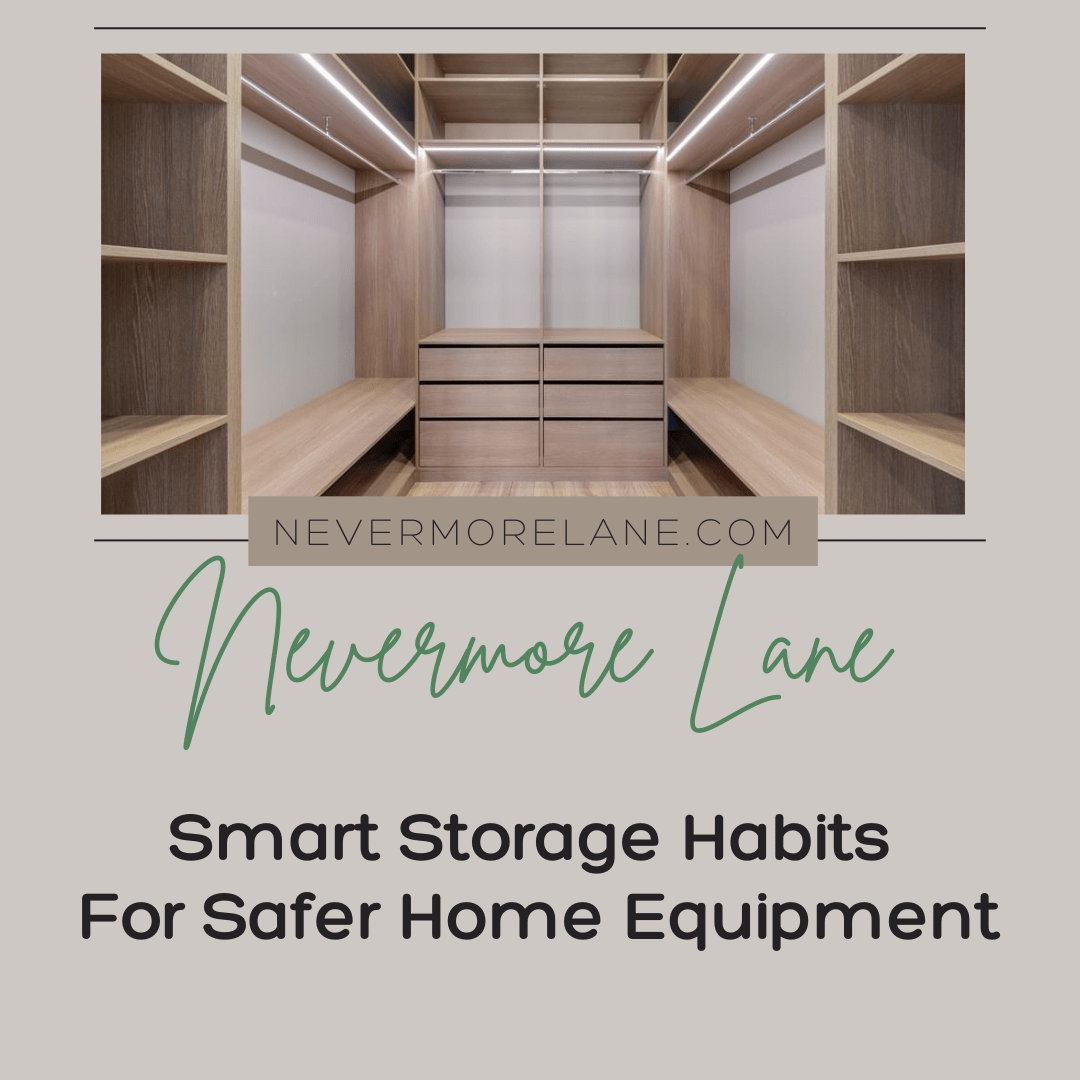
Smart Storage Habits For Safer Home Equipment
When you keep important home equipment in good condition, storage matters more than many people expect. A smart setup is not only about staying organized. It also helps you protect your space, reduce wear, and make daily life feel more controlled. If you want a home that runs smoothly, it helps to build simple habits around where things go, how they are stored, and who can access them. The good news is that you do not need a complicated system to make meaningful improvements.
Know Your Equipment
Before you decide where anything should go, it helps to understand what you are storing and what that item needs to stay secure and reliable. That starts with reading product information, checking care instructions, and paying attention to how often you actually use each item. You do not need to become an expert. You just need a clear sense of what belongs in regular household storage and what requires more care.
If your setup includes components such as firearm gun magazines, treat them like purpose-built equipment rather than random accessories that can be tossed into a drawer. Quality matters, but placement matters too. You want durable gear and a storage approach that keeps everything protected, organized, and separate from casual household clutter.
A simple inventory can help. Write down what you own, where it is stored, and whether that location still makes sense. That small step often reveals weak spots in your routine.
Choose The Right Space
A good storage space should feel boring in the best possible way. You want stable conditions, limited traffic, and a spot that does not invite unnecessary handling. Areas with big temperature swings, direct sunlight, or constant moisture can quietly create problems over time.
Try to avoid places that serve too many purposes at once. A crowded hallway closet, a damp basement corner, or a garage shelf next to yard chemicals may be available, but available is not always suitable. A better option is a clean, dry, enclosed space that stays fairly consistent throughout the year.
Privacy also matters. Storage should be out of casual view and away from spots where guests, children, or service workers may pass through without much thought. Convenience is helpful, but it should not be your only standard. If a location makes access easy while reducing control, it may be time to rethink it.
The goal is simple. Pick a space that supports safety, limits exposure, and helps you keep everything where it belongs.
Build A Storage Routine
A reliable storage system works best when you stop treating it like a one-time project. The real value comes from routine. Small checks done regularly are easier than fixing a larger problem later.
Set aside a few minutes each week to look over the storage area. Make sure locks work properly, containers stay in good shape, and items have not shifted into the wrong place. Once a month, give the area a deeper review. Wipe down surfaces, remove dust, and confirm that nothing unnecessary has collected nearby.
You can also create a short checklist, such as:
- Check locks and closures
- Confirm the area is dry
- Return misplaced items
- Remove clutter from nearby shelves
- Review what is no longer needed
This does not need to feel formal. Think of it like checking smoke detector batteries or changing air filters. A steady routine keeps your setup functional and helps you notice issues before they become expensive, inconvenient, or unsafe.
Think About Household Access
Storage decisions should match the people who share your space. A household with small children needs a different level of control than a home with one adult living alone. The same goes for homes with frequent visitors, roommates, or extended family moving in and out.
Start by asking who can physically reach the storage area, who knows where things are kept, and whether that level of access is truly necessary. In many homes, the answer is no. Clear boundaries help prevent confusion, and confusion is rarely helpful when it comes to secured equipment.
If you live with other adults, talk openly about expectations. Decide what stays locked, what remains off-limits, and how storage rules should be handled during busy periods like holidays or overnight visits. If children are in the home, those standards should be even stricter.
A safer household usually comes down to clarity. When everyone understands the system, there is less room for mistakes, assumptions, or casual mishandling.
Keep Conditions Consistent
Even sturdy equipment benefits from a stable environment. Dust, humidity, and changing temperatures may seem minor, but over time they can affect performance, appearance, and overall lifespan. That is why consistency is often more useful than perfection.
Try to keep the storage area clean and dry. If moisture is common in your home, consider simple solutions such as sealed containers, desiccant packs, or improved ventilation. If the area gets dusty, make routine cleaning part of your regular schedule rather than waiting until buildup becomes obvious.
Temperature matters too. A space that gets very hot in summer and very cold in winter may not be ideal for long-term storage. You do not need laboratory conditions, but you do want to avoid extremes when possible.
Think of it this way: your home equipment will usually respond well to the same kind of environment you prefer yourself. If a spot feels damp, dirty, or neglected, it is probably not the best place for anything you want to preserve.
Review Your Setup Often
Storage needs rarely stay the same forever. You may move, renovate, welcome new family members, or simply buy different equipment over time. A setup that worked well two years ago may now be awkward, crowded, or less secure than you realized.
That is why regular reviews are worth doing. At the start of each season, take another look at your storage space. Ask whether it still supports your routine, whether access is still appropriate, and whether the condition of the area has changed. Even a small shift in humidity or household traffic can affect what works best.
It also helps to notice your own habits. If you keep postponing upkeep or leaving items out of place, that may be a sign your system is not practical enough. A good setup should support safe behavior, not rely on perfect behavior.
The best storage plan is one you can maintain. If it stays clear, secure, and easy to review, you are far more likely to keep it working well over time.
Photo Source: Pexels