Simple Ways To Make Your Home & Garden More Eco-Friendly

There are lots of things you might want to think about if you are keen on having a more eco-friendly home. Making a home and garden more eco-friendly isn’t about a single dramatic overhaul. It’s more like a set of quiet adjustments that build on each other over time. The aim is to reduce waste, support biodiversity, and make everyday living sit a little more lightly on the land beneath it. The good news is that most of the changes are practical, affordable, and often improve the look and feel of a space as much as its environmental impact.
Plant Choices
One of the most effective starting points is how you think about your garden’s planting choices. Native plants are a strong foundation here. One of the benefits of native plants in landscape construction and design in general is that, because they’ve evolved in the local climate and soil conditions, they generally need less water, fewer fertilisers, and less intervention overall. In a UK setting, that might mean incorporating species like foxglove, common hawthorn, red campion, wild garlic, or bird’s-foot trefoil, depending on the space you’re working with. These plants don’t just survive in local conditions – they actively support them. Pollinators, insects, and birds are far more likely to thrive in a garden that reflects the natural ecosystem around it.
Water Consumption
Water use is another area where small adjustments make a big difference. Lawns and ornamental plants often demand more irrigation than they actually need, especially during dry spells. Choosing drought-tolerant varieties, mulching soil surfaces, and collecting rainwater can dramatically reduce reliance on mains water. A simple water butt connected to a downpipe can supply enough for most garden needs through much of the year. Mulching, meanwhile, helps soil retain moisture and suppresses weeds, meaning fewer interventions and healthier root systems.
Soil Health
Soil health itself is worth paying attention to, because it quietly underpins everything else. Healthy soil stores carbon, holds water more effectively, and supports a wider range of plant life. Instead of relying on synthetic fertilisers, which can disrupt microbial balance, composting garden waste and kitchen scraps feeds the soil in a more natural cycle. Over time, this creates a richer growing medium that becomes increasingly low-maintenance. Even something as simple as leaving grass clippings on the lawn after mowing can gradually improve soil structure.
Waste
Waste reduction also plays a central role in eco-friendly living. In the garden, this can mean composting plant cuttings rather than disposing of them. In the home, it often comes down to buying fewer, more durable items and repairing rather than replacing where possible. Even small habits – like choosing refillable cleaning products or avoiding single-use plastics – add up over time. The key is consistency rather than perfection.
Home and Garden Changes That Make a Real Environmental Difference
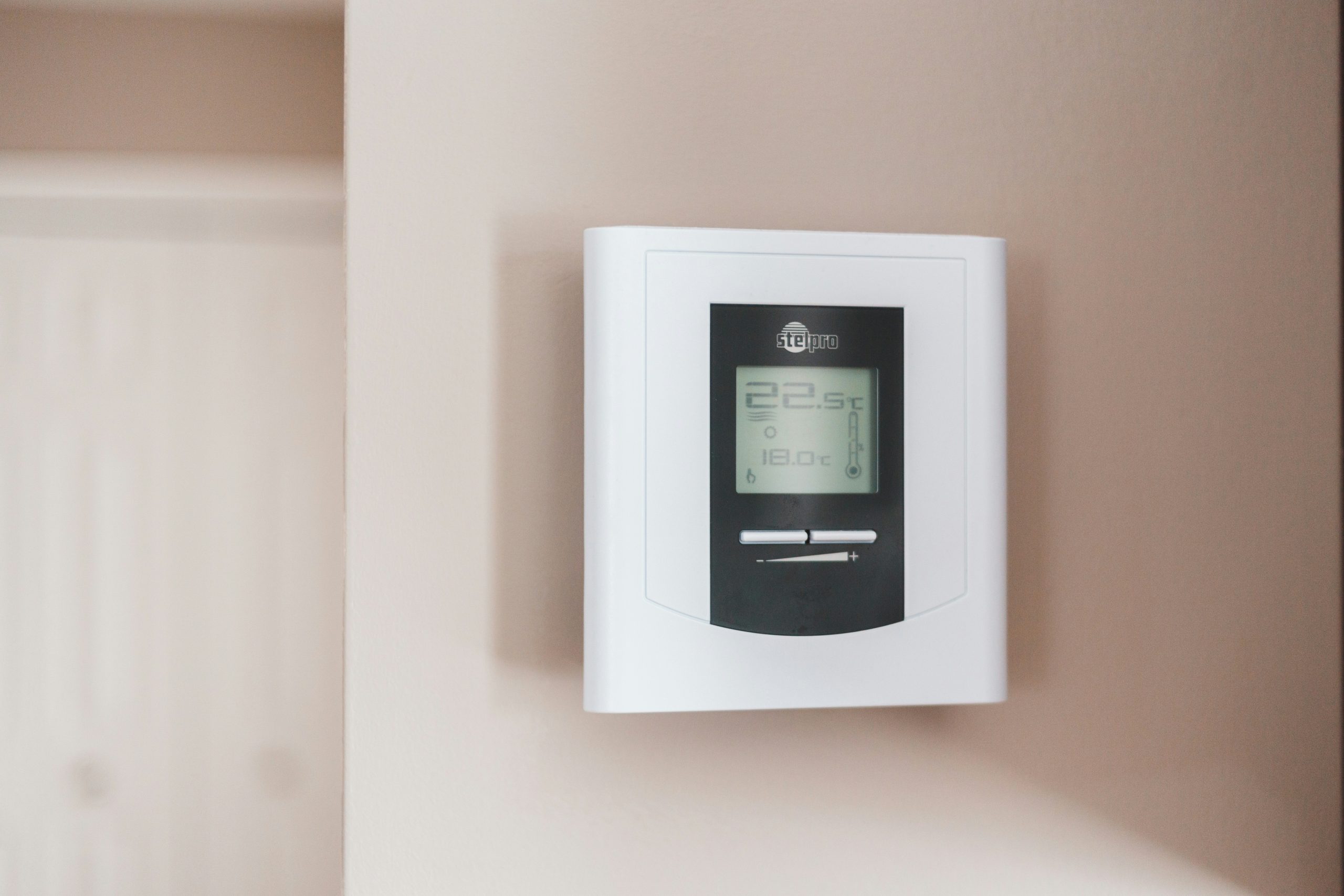
Energy consumption is where the highest-impact opportunities for home eco-improvement are concentrated, and the changes that address it most effectively range from the immediately accessible to the more significant investment that pays returns across years of reduced utility costs. Draught-proofing windows and doors, adding insulation to the loft or attic, and replacing incandescent and halogen lighting with LED alternatives are the accessible end of the energy efficiency spectrum, collectively capable of reducing a home’s heating and lighting energy consumption meaningfully without requiring professional installation or significant upfront cost. Smart thermostats that learn household patterns and avoid heating or cooling unoccupied spaces add a layer of automated optimization that compounds the savings from the underlying insulation and sealing improvements. For households in a position to consider larger investments, heat pump technology and solar panel installation represent the changes with the longest-term environmental and financial return, and the availability of government incentives in many regions makes the financial case for both stronger in 2026 than it has been at previous points.
Water management at home and in the garden offers a parallel set of eco-improvements accessible across a similar range of commitment levels. Low-flow fixtures in bathrooms and kitchens reduce water consumption without affecting the functional experience of using them. Water butts that collect rainfall for garden irrigation eliminate the use of treated mains water for a purpose that collected rainwater serves equally well. Greywater systems that redirect water from sinks and showers toward garden irrigation represent a more significant installation but one whose water saving across a growing season is substantial in regions where summer rainfall is limited. In the garden, the transition from a lawn-dominant planting scheme toward mixed planting with a higher proportion of ground cover, mulched borders, and drought-tolerant species reduces both the water demand of the garden and the energy consumption associated with frequent mowing, while simultaneously improving its value as habitat for the insects and birds that a managed lawn of limited ecological function does not support.
Material and consumption choices within the home complete the eco-improvement picture in ways that energy and water efficiency alone cannot address. Reducing single-use plastics through the transition to reusable alternatives, choosing cleaning and personal care products with biodegradable ingredients and minimal packaging, composting organic kitchen and garden waste rather than sending it to landfill, and approaching purchasing decisions with a preference for durable, repairable, and responsibly sourced products all reduce the household’s material footprint in ways that accumulate across the daily rhythms of ordinary life. The garden’s contribution to this dimension of eco-friendly living is particularly accessible through composting, which converts what would otherwise be waste into the soil amendment that reduces the need for synthetic fertilizers and supports the kind of soil health that makes every other garden practice more effective and more sustainable. None of these changes requires a transformed lifestyle. They require a direction, applied consistently enough that the household moving in it looks meaningfully different from the one that began the journey, and the environment it inhabits is treated with the respect that makes that journey worth making.
Main Imagine: Image Credit – CCO License