Rental Property Maintenance: A Practical System for Owners
Key Takeaways
- Addressing small issues early can help prevent wider property damage and tenant disruption.
- A consistent request process makes repairs easier to prioritize, assign, and document.
- Clear updates help tenants understand what will happen next.
- Routine inspections and realistic reserves support better long-term property care.
- Owners should confirm local requirements before setting entry procedures or repair timelines.
Rental maintenance is easier to manage when it is treated as an operating system rather than a series of last-minute emergencies. Whether an owner handles the work directly or uses property management support, the goal is the same: identify problems quickly, communicate clearly, and keep complete records.
A slow drip, loose handrail, or failing appliance may seem minor at first. Left unresolved, however, a small issue can create inconvenience for a tenant, damage finishes, or require a larger repair later. A written process gives owners a reliable way to respond without having to guess what to do next.
Why Every Rental Needs a Maintenance Plan
Reactive maintenance often creates pressure because the owner must gather information, contact a vendor, coordinate access, and approve costs simultaneously. A maintenance plan reduces that scramble. It defines how requests are submitted, who responds, how urgent issues are handled, and where records are stored.
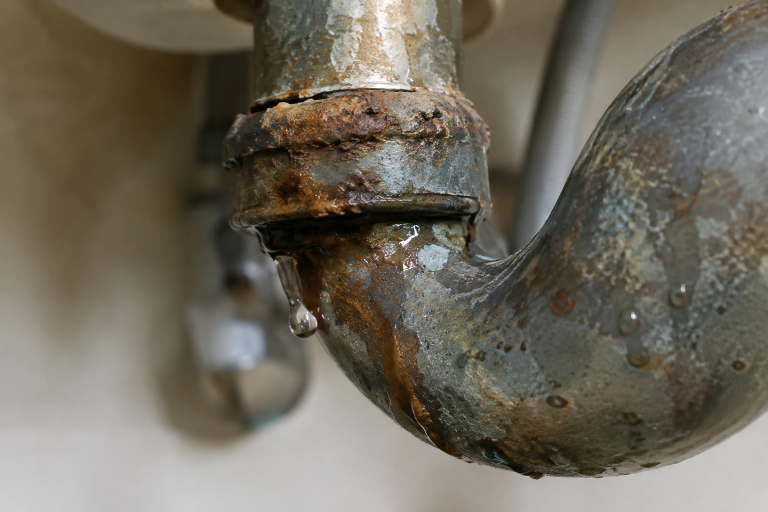
For example, a tenant who reports moisture under a sink gives the owner a chance to inspect the source before cabinetry, flooring, or nearby walls are affected. Owners do not need to prevent every repair. They need a process that helps them promptly spot, assess, and resolve repairs.
Rental Problems That Need Fast Attention
Every request deserves acknowledgment, but some problems require quicker action because they may affect safety, habitability, or the building’s condition. Water leaks deserve particular attention, and the EPA provides practical guidance for finding and fixing household leaks that may help owners recognize common warning signs.
- Plumbing: Active leaks, overflowing fixtures, clogged drains, water-heater problems, and low water pressure.
- Heating and cooling: Loss of heating or cooling, unusual noises, weak airflow, and water around equipment.
- Electrical concerns: Repeated breaker trips, sparks, burning smells, hot outlets, or damaged wiring.
- Exterior and access issues: Damaged steps, loose railings, broken locks, roof concerns, drainage problems, and broken windows.
- Appliances: Refrigerators, ranges, dishwashers, washers, and dryers that fail or show signs of leaking.
A Simple Maintenance Request Workflow
- Receive the request: Give tenants one clear reporting channel, such as an email address, portal, or dedicated phone number.
- Gather useful details: ask for the location, when the issue began, photos or videos when appropriate, and whether conditions are worsening.
- Set the priority: Separate emergencies from urgent repairs and routine work.
- Assign the work: Use qualified professionals for work involving electrical systems, gas, structural components, or other specialized repairs.
- Close the record: Save the completion date, invoice, photos, tenant communication, and any follow-up recommendations.
What to Record for Every Request
- Date and time received
- Description and location of the problem
- Priority level and next action
- Vendor assigned and estimated cost
- Final invoice, completion date, and related photos
How to Improve Tenant Communication
Tenants should receive confirmation that their request was received, even when the repair cannot be completed immediately. A realistic update is more useful than an overly broad promise. If a part is delayed or a contractor reschedules, explain the change and provide the revised plan.
A simple message can follow five steps: confirm receipt, identify the current priority, state the next step, explain any safe interim action, and follow up after completion. Avoid assigning blame before the issue has been inspected. Clear, factual communication keeps the focus on solving the problem.
Building a Useful Inspection Schedule
Inspections should help owners find small maintenance needs early, not make tenants feel watched. Move-in documentation establishes a starting condition. Seasonal reviews can focus on visible leaks, drainage, heating and cooling equipment, exterior conditions, and safety devices. Move-out records help compare the final condition with the original report.
Use consistent photographs, written notes, and dated records. Before entering an occupied unit, owners should review applicable notice and entry rules. General guidance on tenant rights and landlord repair responsibilities can be helpful, but state and local requirements control.
Planning for Repairs and Replacement Costs
A useful budget separates ordinary upkeep from large replacements. Tracking costs by category can reveal repeat issues, such as recurring drain calls or appliance repairs that may no longer be cost-effective.
- Routine maintenance: Filters, locks, caulking, minor leaks, and small repairs.
- Emergency repairs: Water intrusion, heating failure, electrical hazards, and urgent access issues.
- Capital replacements: Roofing, flooring, heating and cooling equipment, and major appliances.
- Turnover costs: Cleaning, painting, repairs, safety checks, and preparation between tenancies.
Review invoices for labor, materials, permits, and return visits. When an item fails repeatedly, compare the likely cost of another repair with the cost, expected service life, and warranty of a replacement.
Basic Legal and Safety Checks
Owners must balance maintenance responsibilities with a tenant’s privacy and quiet enjoyment. Review local habitability standards, required notice for non-emergency entry, and any licensing rules that apply to contractors. Keep smoke and carbon monoxide alarms in working order where required, and retain repair notices, inspection notes, invoices, and completion records.
Lease language cannot override state or local law. Because requirements vary by jurisdiction, this information is general education and not legal advice.
A 30-Day Action Plan for Owners
- Days 1 to 5: List major systems, appliances, safety devices, and exterior features.
- Days 6 to 10: Create one request process and an emergency contact plan.
- Days 11 to 15: Review leases, repair responsibilities, and entry procedures.
- Days 16 to 20: Build a list of qualified vendors and confirm their service areas.
- Days 21 to 25: Review recent repair records for repeat problems.
- Days 26 to 30: Set a reserve target, schedule inspections, and explain the maintenance process to tenants.
Maintenance Works Best
Rental maintenance works best when reporting, communication, inspections, budgeting, and documentation follow a clear system. A dependable process helps owners protect the property, helps tenants understand what to expect, and makes each repair easier to manage from the first report through completion.
Photo by Ivan S: https://www.pexels.com/photo/low-angle-shot-of-wooden-house-8963083/