Red Light Therapy: How To Compare Home Devices, Set Realistic Goals, And Use Them Safely
Key Takeaways
- Home red light devices differ in coverage, wavelengths, output, and intended use.
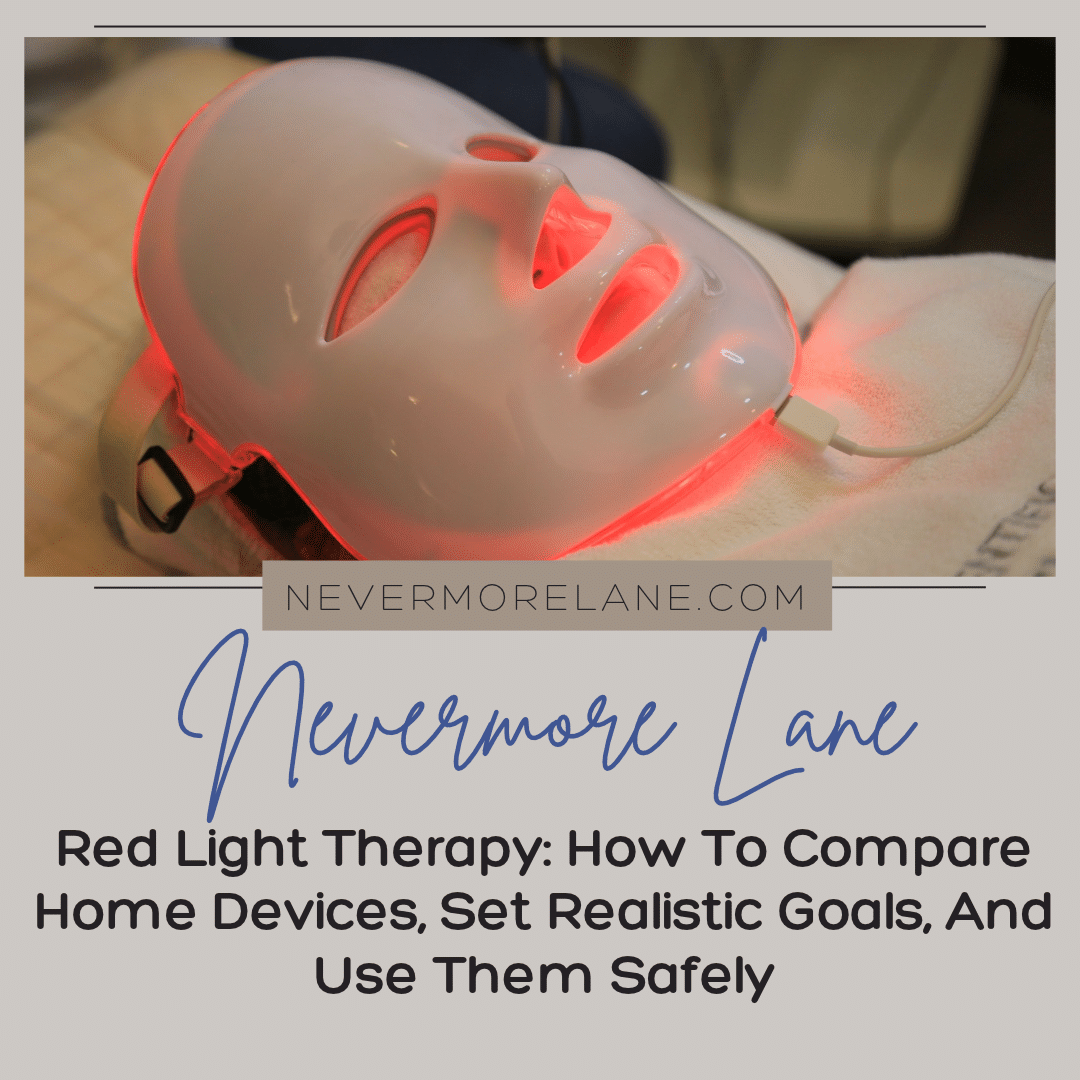
- A face mask, scalp cap, handheld wand, and full-body panel are designed for different treatment areas.
- Research is promising for some uses, but many wellness claims remain ahead of the evidence.
- Consistency and correct use matter more than using a device longer than directed.
- FDA clearance is not the same as proof that every advertised benefit will occur.
- People with eye concerns, photosensitivity, or medical conditions should seek professional advice before starting.
Table of Contents
- Why Interest in Red Light Therapy Is Growing
- What Current Research Shows
- Common Device Types and Their Uses
- How to Compare Red Light Devices
- How to Set Realistic Results
- How to Use a Device Safely
- Who Should Ask a Doctor First
- Common Buying and Usage Mistakes
- A Simple At-Home Routine
- Final Checklist Before Buying
- Conclusion
Red light therapy has become a common part of at-home skin, hair, and recovery routines, but the product category can be confusing. Before buying a mask or panel, it helps to understand what is red light therapy and what a home device can realistically do.
These products generally use red or near-infrared light-emitting diodes rather than ultraviolet light. That does not make every device equally useful, however. Results can depend on the goal, the body area, the device’s output, the treatment schedule, and an individual’s response.
Why Interest In Red Light Therapy Is Growing
Red light devices are now sold as masks, wands, panels, caps, and flexible wraps. Their convenience appeals to people who want a repeatable routine at home rather than a clinic appointment. Still, wider availability does not mean every product delivers the same dose or supports the same claims. Marketing can make light therapy sound like a quick fix, while practical outcomes are usually more gradual and specific.
What Current Research Shows
The research base includes encouraging findings for selected skin and clinical applications, but treatment methods vary substantially across studies. A review of the broader field notes that questions remain about optimal wavelength, intensity, timing, and delivery for different purposes, while some consumer products may not provide the dose their claims imply. Research on red-light therapy is therefore best viewed as developing science, not a reason to assume one device can treat every concern.
For cosmetic goals, think in terms of possible modest improvements in the appearance of skin rather than dramatic transformation. For pain, hair loss, wounds, or other medical concerns, home use should not replace diagnosis or treatment from a qualified clinician.
Common Device Types And Their Uses
Device shape matters because it affects coverage, distance from the skin, and how easy it is to use consistently. The following comparison can help match a format to a treatment area.
| Device Type | Best Suited To | Practical Limitation |
|---|---|---|
| Face mask | Facial skincare routines | Limited body coverage |
| Handheld wand | Small, targeted areas | Slow for large areas |
| Panel | Larger skin or body areas | Requires space and setup |
| Scalp cap | Hair and scalp routines | Not designed for facial coverage |
How To Compare Red Light Devices
Look beyond product photos, celebrity endorsements, and temporary discounts. A credible listing should clearly state the wavelengths used, coverage area, recommended distance, session length, warranty, and return policy. It should also explain whether goggles or other eye protection are included or required.
Specifications That Deserve Attention
- Wavelength information and treatment area
- Irradiance or power-density information at a stated distance
- Recommended schedule and session duration
- Safety instructions and manufacturer contact details
- Warranty terms and a workable return process
Higher output is not automatically better. More exposure can be inconvenient, may irritate sensitive skin, and does not guarantee improved results. Clear instructions are generally more useful than a long list of unexplained technical specifications.
How To Set Realistic Results
Choose one measurable goal before beginning, such as supporting a facial skincare routine or using a scalp-specific device as directed. Cosmetic changes, if they occur, may take weeks or months of steady use. Take photos under similar lighting and avoid introducing several new skincare products at once. That makes it easier to tell whether a change is meaningful or simply a normal fluctuation.
How To Use A Device Safely
- Read the entire instruction manual before the first session.
- Use the recommended distance, treatment time, and frequency.
- Start conservatively rather than extending sessions on impulse.
- Follow all eye-protection directions from the manufacturer.
- Stop use if you experience burning, severe irritation, unusual pain, or vision changes.
- Keep a simple record of sessions and skin reactions.
Be careful with claims that a product is “FDA-cleared.” The FDA’s 510(k) clearance process evaluates whether a device is substantially equivalent to a legally marketed device in its category. It should not be interpreted as a blanket guarantee that every marketing promise has been proven.
Who Should Ask A Doctor First
Speak with a dermatologist, primary-care clinician, or eye-care professional before use if you take medicines that increase sensitivity to light, have an eye condition, develop unexplained skin changes, have a history of unusual reactions to light, or plan to use a device for a serious health problem. Extra caution is also sensible during pregnancy or breastfeeding and when treating an active skin condition or suspicious lesion.
Common Buying And Usage Mistakes
- Buying without checking treatment instructions or technical details
- Assuming a facial mask can effectively cover the scalp, back, or legs
- Using longer sessions than the manufacturer recommends
- Expecting a visible change after one or two uses
- Trusting before-and-after photos taken in inconsistent lighting
- Confusing regulatory language with proof of every claimed outcome
A Simple At-Home Routine
Select a device made for your intended area, follow its schedule on clean, dry skin unless the instructions say otherwise, and record each session. Review progress after several weeks rather than judging every treatment. A person focused on facial texture may use a face-specific device several times per week according to its label, while someone focused on the scalp should choose a cap or other scalp-focused design.
Final Checklist Before Buying
- Does the device fit the intended treatment area?
- Are wavelength, output, distance, and session instructions easy to find?
- Does the manufacturer provide meaningful safety guidance?
- Is the warranty and return policy clear?
- Are the claims narrow, specific, and realistic?
- Have you sought medical advice when your circumstances call for it?
Red Light Therapy
Red light therapy is best approached as a measured tool, not a miracle cure. Match the device to a clear goal, follow its instructions, protect your eyes when required, and give the routine time before judging it. Careful buying decisions and realistic expectations remain more valuable than flashy claims.
Photo by Dinç Tapa: https://www.pexels.com/photo/close-up-of-a-person-with-an-led-face-mask-on-7216285/