Preparing your Home for an Emergency
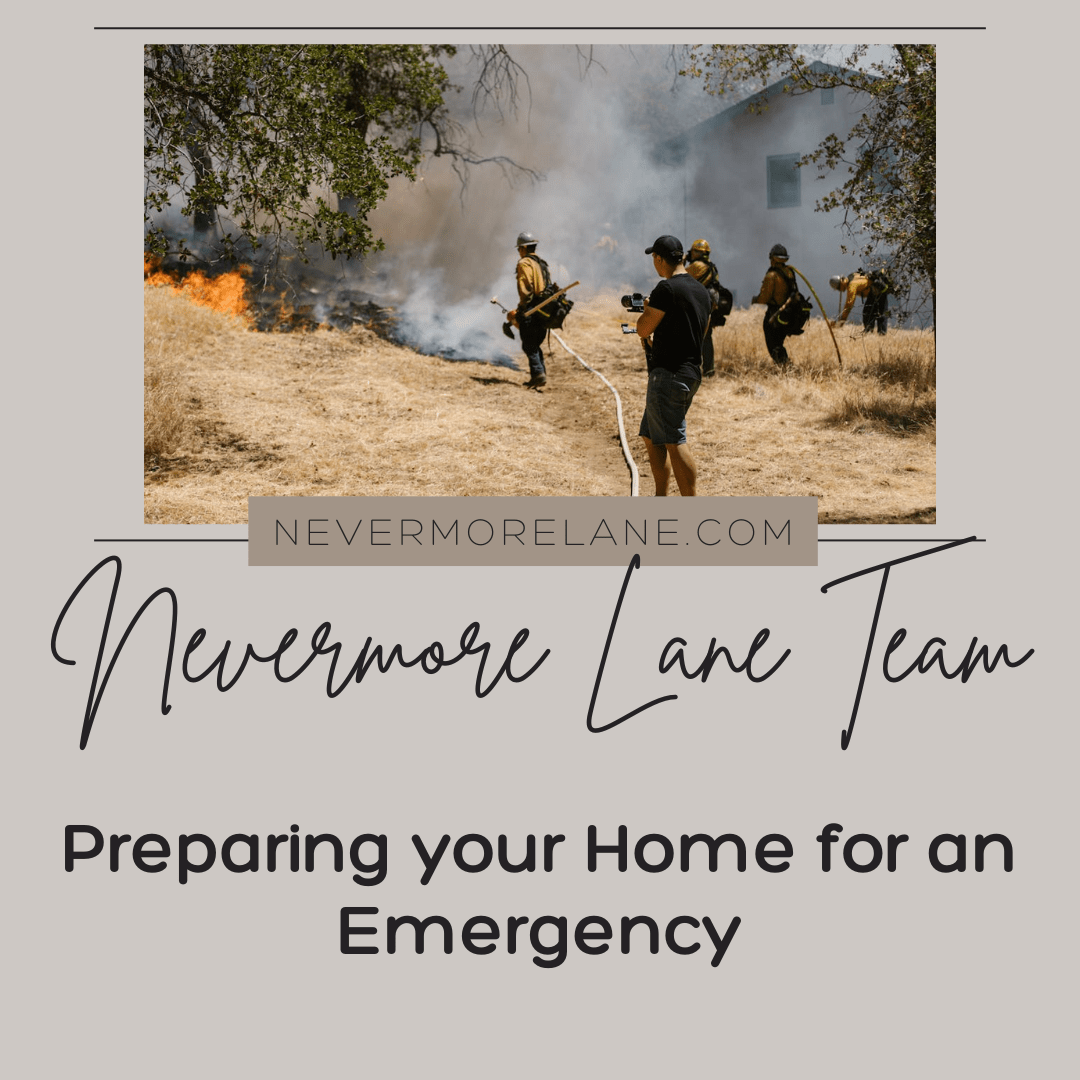
Emergency preparedness conversations happen after disasters strike when stores empty, power fails, and help becomes unavailable, but effective preparation requires action during calm periods when supplies are accessible and rational planning replaces panic-driven decisions. Most households maintain minimal readiness despite living in regions facing predictable threats from hurricanes, earthquakes, wildfires, tornadoes, or severe winter storms that regularly disrupt utilities, block roads, and strand families without external support for days or weeks. The gap between knowing emergencies could happen and actually preparing homes to withstand them leaves countless families vulnerable to preventable suffering when predictable crises arrive.
Home emergency preparation extends beyond stockpiling water bottles and flashlights into comprehensive planning addressing power outages, water supply interruptions, communication failures, medical needs, food security, climate control, and the psychological challenges of sheltering through extended crises. Proper preparation identifies household vulnerabilities and implements solutions before stress and scarcity eliminate options. Backup power systems, water storage and purification, emergency food supplies, first aid capabilities, and communication plans transform homes from dependent on fragile external systems into resilient shelters sustaining families through disruptions that overwhelm unprepared neighbors.
Understanding what home emergency preparation actually requires moves planning from vague intentions into concrete actions that protect families when infrastructure fails and normal support systems become temporarily unavailable. The investment in readiness pays returns through security, self-sufficiency, and reduced anxiety knowing homes can sustain occupants through foreseeable emergencies rather than leaving survival to chance and hope.
Know the Risks
The first thing you need to do is try to take the time to understand the risks you face. Before preparing, you need to understand the type of emergencies you may face. A good way to do this would be for you to take the time to document the things that your home faces, including power outages, which are often caused by storms, grid failures, equipment issues, and more. Things like this can last for hours or even days if you’re not careful.
Flooding is also a bit of a concern. Flooding, which includes heavy rainfall, burst pipes, or anything else of the sort, can add up over time and lead to big issues down the line. You may also find that things like severe weather warnings, storms, and high winds can affect your home. If you want to stop this from disrupting your daily life, then you need to know what’s most likely to affect your home, so you can then make sure that you are focusing all of your preparation efforts.
Source: Pexels
Create a Plan
When you have a good idea of what issues you face, you can then go ahead and try to create a plan. Preparation starts with you having a clear plan, as every household should have a strategy that includes emergency contacts, as well as meeting points and possible escape routes. Now would be a good time for you to practice what plan you have regarding communication. You need to find out how you are going to let your family stay in touch if you don’t have a phone or if you know that your internet is down. If you can take the time to review and practice your plan, especially if you have children or even elderly family members, then this will help you a lot.
Emergency Supplies
Another thing to consider would be for you to have an emergency supply box. Having the right supplies to hand can make you feel safe and comfortable. Your emergency kit should cover you for at least three days, and it should also accommodate every family member. Food and water are a big deal here, as non-perishable foods should be present, and you should have at least two litres of water per person, every day.
If you have not considered it yet, then now could be a good time for you to invest in a 30 gallon water storage tank, as this will help you to store the water you need, while ensuring that your family always has access to what they need. It’s also a good idea for you to make sure that you have a good amount of cash with you, as you may still be able to buy things. If you have cash, then this means you are covered if ATMs or card machines are ever down.
Power Outages
Power cuts are very common, and even though some of them happen to be short-lived, others may last way longer. It can also disrupt your daily life. If you want to do something about this, then you need to try to make sure that you are taking note that power outages can last way longer than you might like, and that you also need to make sure that you have a quality generator as well. This is the best way for you to try to maintain any essential electricity in your home, and you may also find that it helps you to keep your home running.
If you can, stock candles or even some LED lights, as these use way less electricity when compared and they can also help you to see if it’s dark. Of course, you should also plan for a refrigerator, as this will need power too. If you can’t power this, then it may be that you keep the freezer door shut to maintain cold temperatures when there is an extended outage.
Flooding
Floods can cause significant damage to your home, and a lot of the time, the damage can happen in a matter of minutes. Preparation can involve making sure that you focus on prevention as well as immediate response. You need to identify the flood-prone areas in your home, and you also need to install barriers as well. It may be that you invest in sandbags, as well as some waterproof seals for your doors.
Elevating valuables as well as keeping any electrical appliances above ground level will help a lot. If you can, make sure that drainage and gutters are working as they should be. This is a great way for you to stop blockages that could go on to affect you later down the line. During a flood, you may have to evacuate if you are advised to do so, so make sure that you move to higher ground, and then take steps to ensure that your home is the safest it can be during emergencies like this.
Fire Safety
Fires can spread very rapidly, so if you want to stop them, you need to make sure that you invest in things like smoke alarms, as well as identifying any fire-prone areas. Keeping a fire extinguisher is a good thing to do here, as is practicing safe cooking. Never leave cooking unattended, and also make sure that you keep any flammable items away from your stoves. Electrical safety is important, as you need to avoid overloading your sockets. If you can also try to create an escape plan, then this will also help you to get the best result out of your home plan, and it will also help you to make sure that everyone’s on the same page if something did happen unexpectedly that you don’t know how to fix.
Maintaining Readiness Through Ongoing Preparation
Building Emergency Systems That Stay Current
Emergency preparedness remains effective long-term only through regular maintenance and updates preventing supplies from expiring, systems from degrading, and plans from becoming outdated as household needs change. Rotating food and water stocks ensures fresh supplies replace aging inventory before expiration dates pass. Testing backup power systems and communication equipment confirms functionality before emergencies reveal failures. Reviewing and updating emergency plans accounts for new family members, changed medical needs, or relocated households facing different regional threats.
Sustainable emergency readiness integrates preparation into normal household routines rather than treating it as one-time projects easily forgotten. Quarterly checks of emergency supplies become calendar habits like seasonal decorating changes. Monthly generator tests prevent the discovery of dead batteries or maintenance issues during power outages. Regular family discussions about emergency procedures ensure everyone knows expectations rather than panicking when crises actually occur.
Preparing homes for emergencies ultimately demonstrates responsible stewardship protecting the people and investments sheltered within. No amount of insurance replaces the security of knowing homes can sustain families through infrastructure failures, natural disasters, or extended disruptions. Build resilience through comprehensive preparation addressing realistic threats faced in specific locations. Maintain readiness through consistent attention preventing complacency. Create homes functioning as true shelters rather than comfortable spaces dependent entirely on fragile systems that regularly fail when needed most.