Mid-Winter Home Repairs: What to Fix Before It Gets Worse
Mid-winter brings a mix of colder nights, damp air, and sharp temperature shifts that strain different parts of a home. Small problems that hide during mild weather tend to reveal themselves once winter settles in. Many homeowners look around and notice drafts, inconsistent heating, or moisture collecting where it shouldn’t.
Homes in Lafayette, Louisiana, face their own version of winter stress. Conditions might not resemble harsh northern climates, like in Michigan, yet the region still experiences cold snaps and moisture changes that test roofs, heating systems, plumbing, and more. Local weather can quickly turn a minor concern into a more disruptive problem if ignored long.
Roof Weak Spots That Lead to Costly Damage
A roof often shows early hints of trouble long before water finds a way inside. Shingles can loosen or warp as cool nights follow warm afternoons. Small cracks that seem harmless today may expand later, especially when moisture settles in.
A quick look at shingles, flashing, and roof valleys can reveal concerns that deserve attention. Gutters matter here as well. Leaves and debris hold moisture that pushes against roofing material, which speeds up wear.
Furnace Problems That Disrupt Comfort
Heating systems work harder once winter settles in, and both central units and furnaces in Lafayette often begin showing signs of strain during this time. Homeowners may notice slower warm-up times, reduced airflow, or temperature inconsistencies as demand increases. These early signals often indicate that the system needs attention to maintain reliable comfort through the colder weeks ahead.
A furnace can reveal these symptoms sooner than expected, especially when age or wear begins to limit its performance during colder stretches in the region. Heating professionals can evaluate these changes and determine the most reliable path forward. If you’re looking to get a furnace replacement in Lafayette, LA, consider working with professionals who understand local conditions and ensure the installation is done properly. Skilled technicians bring the kind of experience that supports accurate assessments and dependable installation results.
Plumbing Trouble That Escalates in Cold Weather
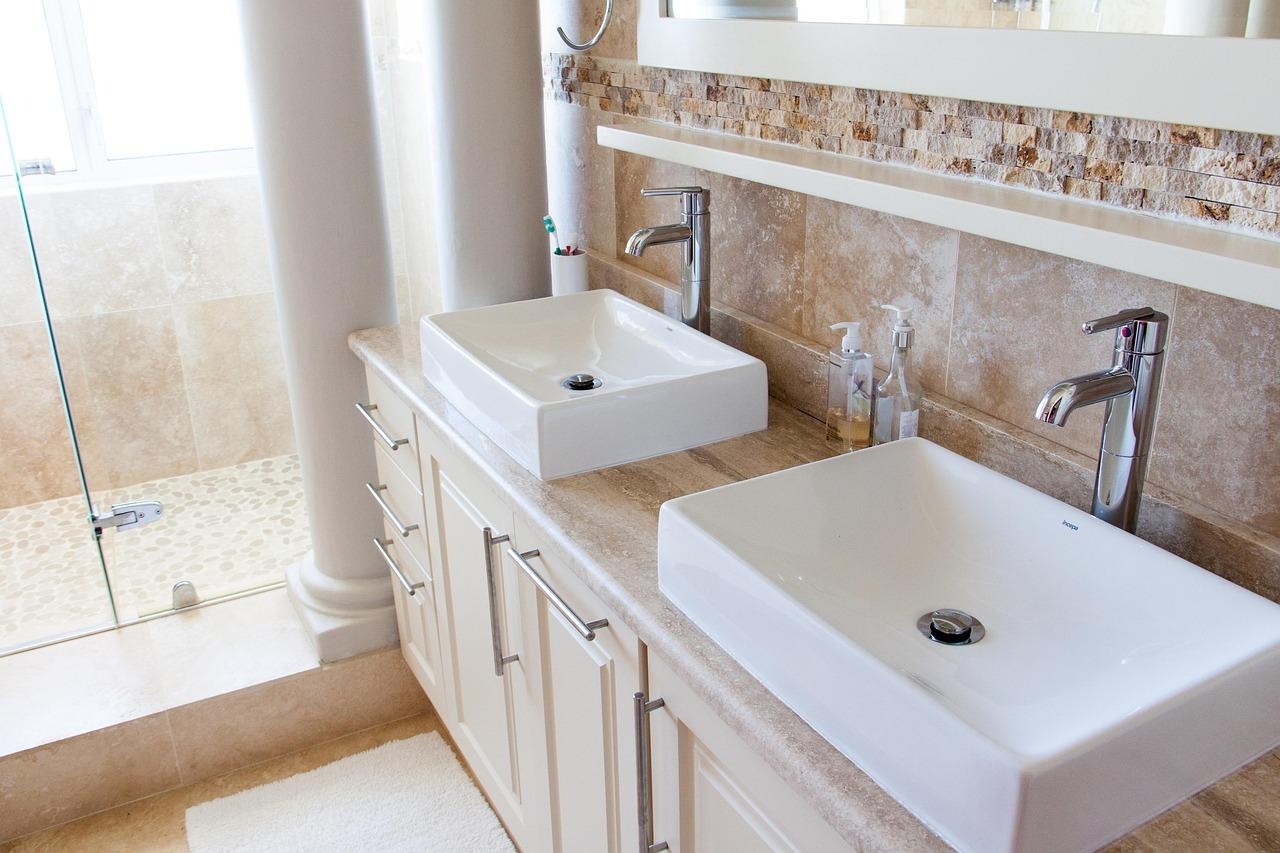
Plumbing systems experience pressure fluctuations during winter that can reveal worn sections of pipe or aging fixtures. Sinks may drain more slowly, toilets may refill unevenly, or water pressure may shift throughout the day. These issues appear small at first, yet they often indicate a buildup inside the pipes or an incoming leak.
Cold temperatures put strain on older metal components, and even insulated lines can develop condensation that seeps into small joints. A mid-season plumbing check helps detect these weak points before they escalate.
Electrical Issues That Point to Failing Components
Electricity usage naturally climbs during winter. Lights stay on longer, space heaters run more often, and appliances work harder. A home’s electrical panel and wiring feel that increased demand. Flickering lights or frequent breaker trips suggest that certain circuits are carrying more load than they should.
Outlets that stop working or feel warm to the touch signal issues that require prompt attention. An electrician can assess whether an outlet, switch, or breaker has begun to fail. Early repairs create a safer environment and prevent overheating or further damage to the system.
Window and Door Gaps That Drain Heat
Small gaps around windows and doors allow cold air to move into living spaces and push warm air out. These openings create drafts that make a home feel less comfortable, even when the heating system works properly. A simple inspection of sealant and weatherstripping helps identify areas where the barrier has weakened.
Addressing these gaps improves comfort and reduces energy waste during the peak of winter. The fix often requires minimal time yet delivers a noticeable difference in how warm a home feels throughout the day.
Water Heater Strain That Reduces Performance
A water heater carries a heavier workload during the colder months. Cooler incoming water forces the system to run longer, and that added strain often reveals worn components. Homeowners may notice longer wait times for hot water, slight temperature swings during showers, or sounds coming from the tank that weren’t present earlier in the season. These signs rarely correct themselves and typically grow worse as winter continues.
A brief inspection of the unit helps identify sediment buildup, weakening heating elements, or valves that need adjustment. Simple maintenance steps keep the system operating consistently and reduce the chance of a mid-season breakdown. Timely attention preserves efficiency and ensures steady hot water for daily routines.
Moisture Problems That Invite Mold Growth
Moisture becomes more noticeable indoors during winter because homes stay closed for longer stretches. Condensation on windows, damp corners, or a musty smell in certain rooms often point to areas with limited airflow. When humidity collects in these spaces, surfaces become more vulnerable to mold. Early signs may look minor, although they tend to spread quickly once moisture settles.
Improving air circulation, sealing small leaks, and addressing damp areas before they worsen protects both air quality and the home’s structure. A careful walk-through during the middle of winter helps spot the beginnings of an issue before discoloration or odors become more pronounced.
Exterior Wear That Becomes Harder to Repair Later
Exterior surfaces face constant exposure during winter. Siding may show cracks or warping, trim can loosen, and paint may begin to peel when moisture reaches the underlying layer. These small flaws seem manageable at first, yet they become tougher to address once the season advances. The weather continues to push against these weak points, eventually allowing water to move deeper into the material.
A quick check of visible exterior areas helps identify places where repairs can be made before extensive restoration becomes necessary. Early attention keeps the outer structure in good condition and prevents deterioration from spreading.
Mid-winter offers a valuable chance to look closely at the systems and surfaces that support everyday comfort. Roofs, heating equipment, plumbing, electrical components, windows, and exterior features each respond differently to seasonal pressure, and they often show early signs of stress before major problems appear.
Addressing those signs now protects both safety and long-term value. A thoughtful mid-season inspection creates peace of mind and helps ensure the rest of winter passes with fewer disruptions and fewer unexpected repair costs.