How to Set a Budget for Engagement Rings Without Sacrificing Quality
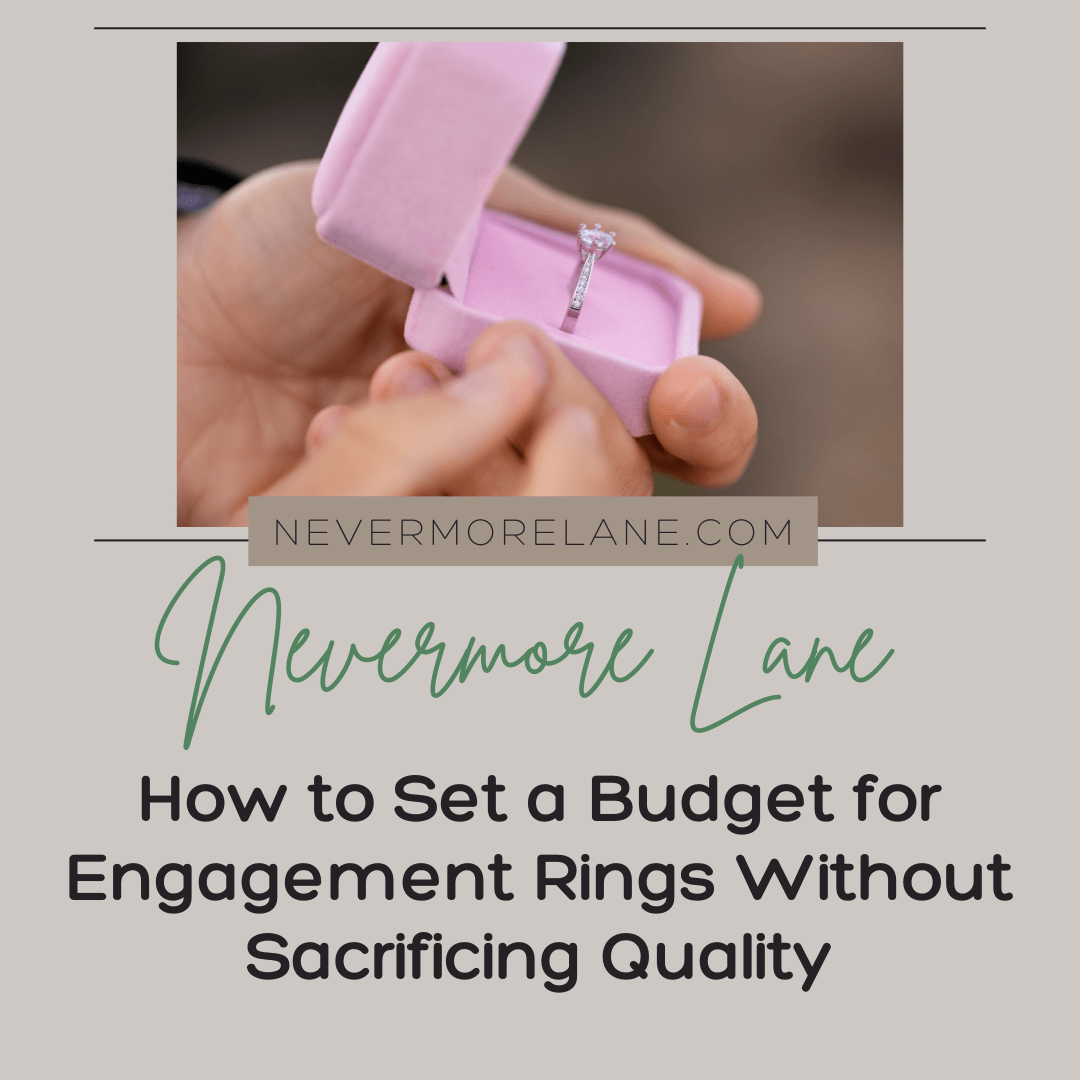
Ever wonder why some engagement rings look stunning at $3,000 while others fall flat at $8,000? Or why the “two months’ salary” rule still gets thrown around when almost nobody actually follows it anymore?
Here’s the truth. Budget and quality don’t move in a straight line together. A well-informed buyer with $4,000 can walk away with a ring that outshines one bought by someone who spent double without a plan. From Atlanta to anywhere else, the couples who plan smart end up with better rings than the ones who just spend more. This guide breaks down exactly how to set a smart number and spend it in the right places.
Start With a Number You Can Actually Live With
Forget the old three-month-salary myth. It came from a 1930s De Beers ad campaign, not from any real financial logic, and most couples today ignore it anyway.
A more useful starting point is this: aim to spend somewhere between 5% and 10% of your annual take-home income. It’s still just a guideline, not a rule, so adjust it based on your own life. Think about upcoming expenses, existing debt, and what feels comfortable rather than stressful. To put that percentage in real dollars, most couples end up spending between $3,000 and $7,000 on an engagement ring — this guide breaks down what each price range actually buys.
The goal is simple. Spend what you can afford without financing a proposal you’ll be paying off for years.
Get the 4 Cs Working in Your Favor
Every diamond is graded on four traits: cut, color, clarity, and carat. According to the Gemological Institute of America’s official guide to the 4Cs, cut has the single biggest impact on how a diamond looks because it controls how the stone interacts with light. A diamond can have excellent color and clarity and still look lifeless if the cut is poor.
Here’s how to use that to your advantage:
- Cut first, always. Never drop below Very Good. This is the one area where cutting corners actually shows.
- Carat with a little strategy. Diamonds priced right at 1.00 or 2.00 carats carry a premium just for hitting that round number. A stone at 0.90 or 1.95 carats looks nearly identical but often costs noticeably less.
- Clarity in the VS1 to VS2 range. These grades are typically eye clean, meaning no visible flaws without a jeweler’s loupe. Paying for a flawless grade buys a certificate, not a visible upgrade.
- Color in the G to I range. These stones read as white once set, especially in yellow or rose gold, where the metal’s warmth does some of the work for you.
Put those four choices together and you can shift a meaningful amount of your budget toward a bigger or better stone without anyone noticing a difference in quality.
Consider Where the Stone Comes From
Natural and lab-grown diamonds are identical in every way that matters. Same chemistry, same optical properties, same durability. The only difference is origin, and that difference now shows up clearly in the numbers.
Moissanite and sapphires are worth a look too if you’re open to something different. Both bring serious sparkle and durability at a lower price point than diamonds.
This is also where working with the right jeweller starts to matter as much as the stone itself. A jeweller who sources both natural and lab-grown stones directly can show you real side-by-side comparisons instead of pushing you toward whatever sits in the case.
If you’re weighing engagement rings Atlanta options, look for a jeweler who can walk you through GIA-certified stones in both categories before you commit to either one. Solomon Brothers Jewelers is one example of a shop built around that kind of direct sourcing and in-house design work, which makes it easier to land on the right stone for your budget.
Don’t Forget the Setting
A gorgeous stone in a flimsy setting still looks cheap. The setting affects both appearance and how well the ring holds up over decades of wear, so it deserves real budget, not leftovers.
A few practical choices that stretch your money further:
- Go with 18k or 14k gold instead of 22k. Higher purity gold is softer and scratches more easily, so lower karat options are actually the smarter everyday choice, not just the cheaper one.
- Try a halo setting. A ring of small diamonds surrounding the center stone creates the visual effect of a much larger diamond for a fraction of the price.
- Skip the heavy engraving and pavé detailing. Intricate work adds labor costs fast. A clean, classic band keeps the spotlight on your main stone.
As a starting split, many buyers put around 80% of their budget toward the stone and 20% toward the setting, then adjust from there based on what matters most to them.
Shop Smart Before You Commit
A few habits make a real difference once you’re ready to buy. Compare more than one seller before deciding. Traditional retail stores carry high overhead, and that cost shows up in the price tag. An independent jeweller working from a design studio, sourcing stones directly rather than pulling from a fixed catalog, often has both better pricing and more flexibility to match your specific budget.
Always ask for certification from a recognized lab such as GIA, AGS, or IGI. This confirms the grades you’re paying for actually match the stone in your hand. If you’re still deciding on a style, inexpensive cubic zirconia replicas, usually $20 to $50, let your partner test different shapes and settings before you commit to the real thing.
Always Remember the 4C’s
A great engagement ring comes down to a handful of decisions made well: understanding the 4Cs, prioritizing cut above everything else, choosing the right stone type for your budget, and picking a setting that earns its place. None of that requires overspending.
The ring that fits your actual life will always mean more than the one that stretched you thin to get it.