How to Plan Your Dream Home in 2026: A Complete Roadmap for Modern Homeowners and First-Time Builders
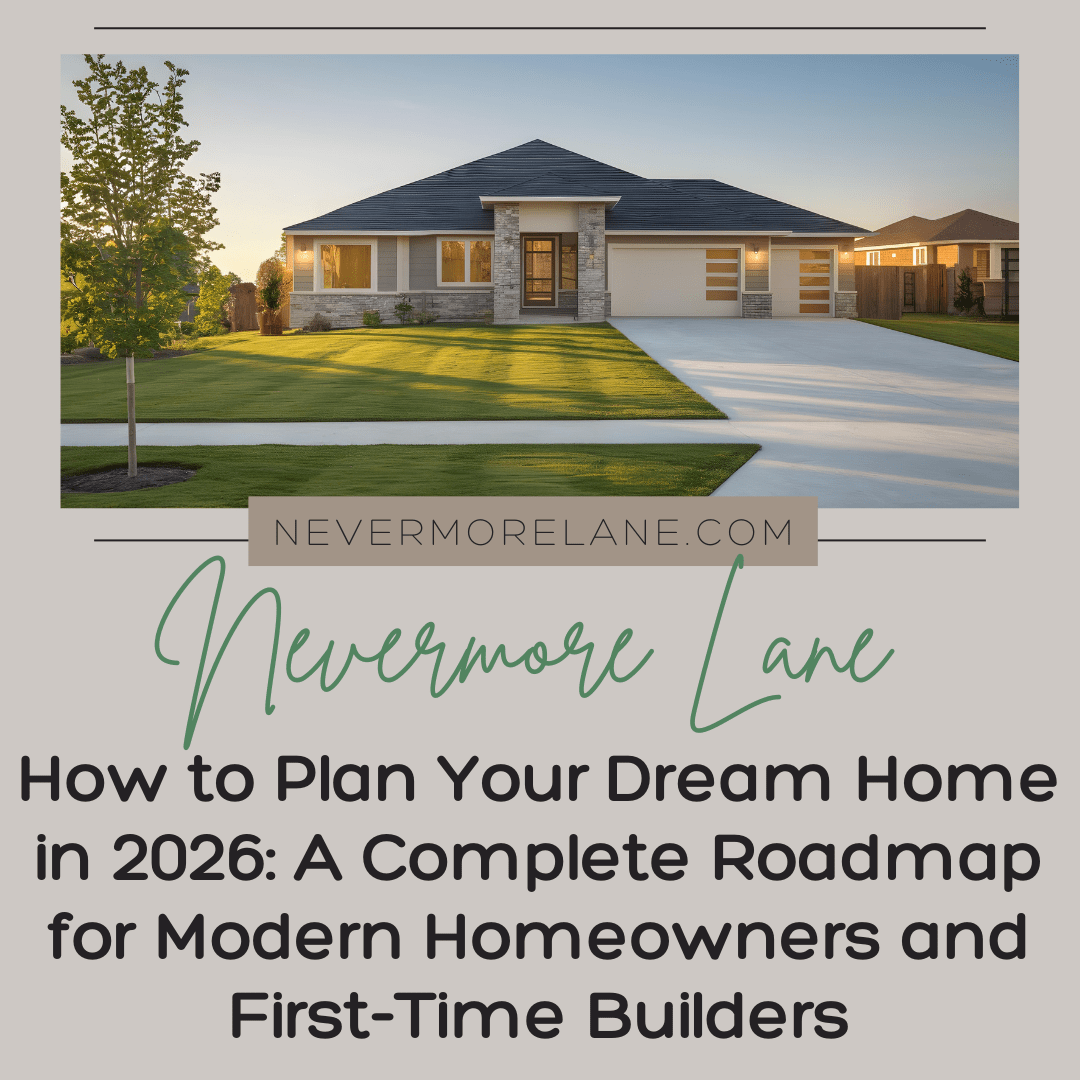
Building your dream home in 2026 is more than just about construction—it’s about crafting a living space that enhances your lifestyle. Today’s homebuilding process integrates modern design trends, cutting-edge technology, and sustainable building practices, all while reflecting your personal style and future needs. That is where a Masonry Contractors Austin helps. If you’re not local to the Austin area, be sure to Google “masonry contractors near me” to find one closest to you.
Whether you’re a first-time builder or looking to create your forever home, this comprehensive process will walk you through every step necessary to make your dream home a reality, from conception to completion.
What Defines a Dream Home in 2026? Exploring Modern Homebuilding Trends
From Luxury to Practicality: Shifting Expectations in Homebuilding
In 2026, the notion of a “dream home” has evolved. While luxury features still hold appeal, there is a greater focus on practicality, sustainability, and personalized living spaces. Homeowners now want homes that are not only aesthetically pleasing but also support their long-term lifestyle.
The modern dream home is about comfort, efficiency, and sustainability, with an emphasis on technology and adaptability. The traditional approach of focusing on square footage or opulence has been replaced with a desire for a home that reflects values such as:
- Functionality and smart design for everyday living
- Energy efficiency to reduce environmental footprints and operational costs
- Sustainable building materials that minimize impact on the planet
- Home automation to enhance convenience and security
A home that meets these evolving standards is truly a dream home for the 2026 homeowner.
Step 1: Establishing Your Vision for the Perfect Home
The Power of a Clear Vision in Homebuilding
The foundation of any successful homebuilding project starts with a well-defined vision. Before jumping into construction plans or selecting finishes, take time to consider how your dream home will meet both your current and future needs.
Creating a vision means understanding not only the aesthetic elements but also how your home will function on a day-to-day basis. The choices you make during the design phase must align with your long-term goals, lifestyle preferences, and evolving needs.
Essential Questions to Shape Your Vision
To create a vision that truly reflects your life, consider these key questions:
- How do you use space in your current home? Consider your daily habits, work-from-home requirements, and family dynamics.
- What is your long-term plan for the home? Will you expand your family? Are you planning to entertain often or create quiet retreats?
- How do you want the space to make you feel? Emotional comfort is just as important as physical functionality, so think about how the home should support your mental and physical well-being.
With a clear vision, you can avoid common pitfalls, like impulse decisions or sacrificing long-term practicality for short-term desires.
Step 2: Budgeting Wisely for Your Dream Home
The Importance of Realistic Budgeting in Homebuilding
While it’s exciting to envision your dream home, it’s equally important to ensure that your budget supports your goals. Building a home can be a complex, expensive process, and sticking to a budget is crucial to achieving your vision without compromising quality or project scope.
In 2026, building costs will fluctuate due to material prices, labor availability, and location. A realistic budget helps you manage these variables and prevent common financial pitfalls.
Structuring Your Homebuilding Budget
A comprehensive budget should cover:
- Land Acquisition Costs: Land prices can vary greatly depending on location and land features. Research local market trends to find affordable, well-located plots.
- Construction Costs: This includes everything from building materials to labor. Custom finishes and high-end materials like natural stone or smart home technology can significantly affect your budget.
- Design Fees: Work with an architect or designer who understands your vision. Their fees will typically range from 5% to 15% of the total project cost.
- Permit and Legal Fees: Depending on your location, various permits and zoning applications will be necessary, and these can add up quickly.
- Interior and Exterior Finishes: From flooring to cabinetry, these costs can make up a large portion of your budget, especially if you choose high-end finishes.
- Contingency Fund: Unexpected expenses are a common part of the building process. Set aside 10%–15% of the budget to cover any unforeseen challenges.
By planning every aspect of your budget, you ensure that the project stays on track financially and avoid having to make compromises later on.
Step 3: Choosing the Perfect Location for Your Home
Why Location is Critical to Home Design and Value
The location of your home is far more than a matter of convenience; it directly impacts the design, construction, and long-term value of your property. Whether you’re building in an urban, suburban, or rural area, your location will influence everything from the layout to the materials used and the overall cost.
Choosing the right location is crucial for several reasons, including climate, future property value, and access to amenities. Carefully evaluate all of these factors to ensure that your home’s location is aligned with both your practical needs and investment goals.
Key Considerations When Selecting Your Property
- Proximity to Amenities: Choose a location near essential services, such as schools, healthcare, shopping centers, and transportation links. This enhances convenience and future property value.
- Climate and Local Conditions: A home built in a cold climate will require more insulation, while a coastal property may need weather-resistant materials. Design your home to fit the natural environment.
- Land Topography: The land’s topography can significantly affect your construction costs and approach. Ensure the site is suitable for your design plan, or prepare for additional work such as leveling or drainage solutions.
- Neighborhood and Future Growth: Research the potential for future growth in the area. A developing neighborhood can increase the value of your property in the long run, while an underdeveloped one may present challenges.
A thoughtfully chosen location ensures that your home is built to last and can appreciate in value over time.
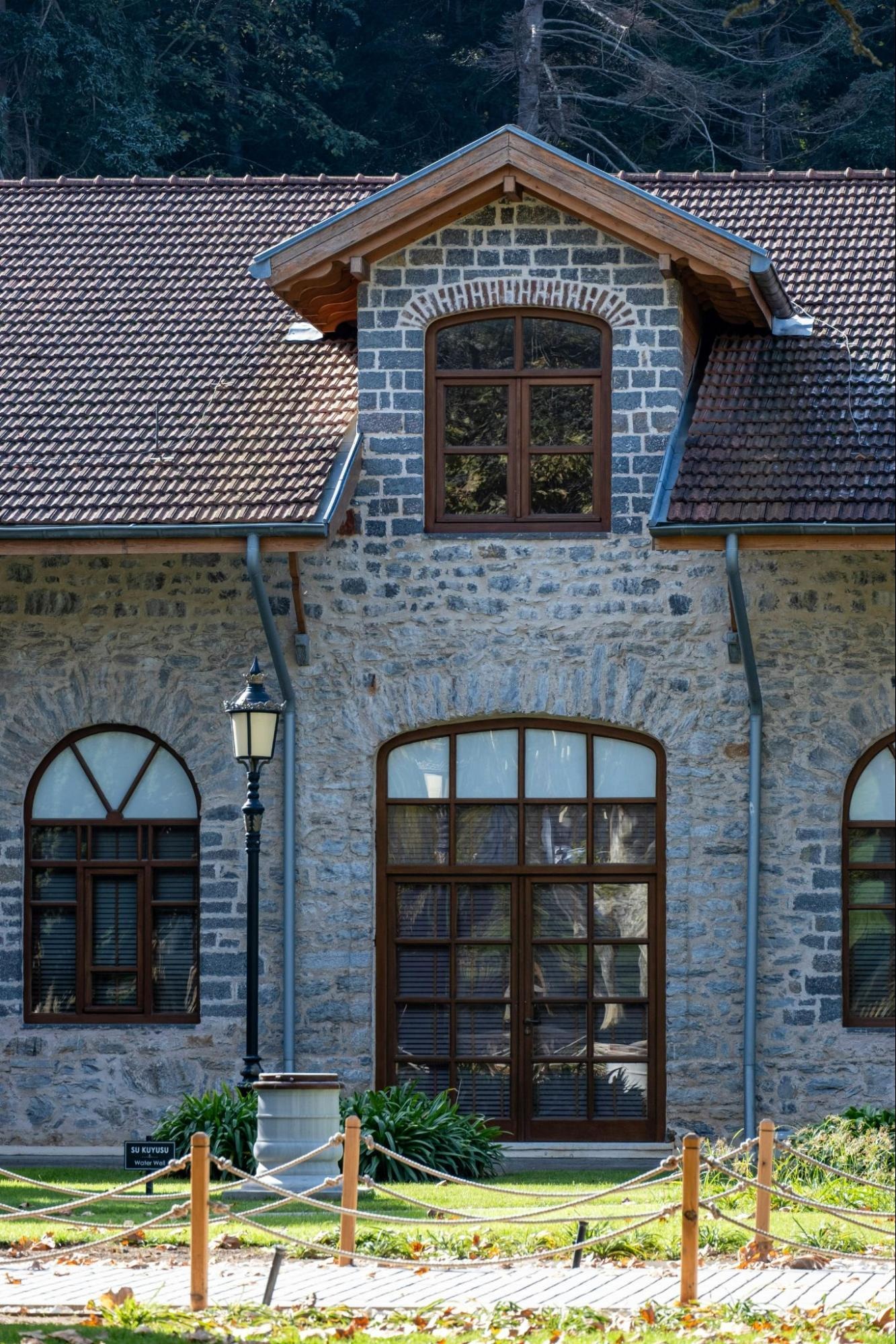
Step 4: Selecting the Right Construction Team
How the Right Contractor Makes All the Difference
The construction team you hire is responsible for bringing your vision to life. They must have the right experience, knowledge, and skills to execute your project to the highest standards.
Choosing a construction partner is a decision that will impact every aspect of your home’s build. From maintaining timelines to delivering quality workmanship, your contractor plays a pivotal role in the success of your project.
What to Look for in a Construction Team
- Reputation and Experience: Seek out contractors with experience in building homes similar to what you’re envisioning. A portfolio of successful projects and positive client reviews is essential.
- Project Management Capabilities: Building a home requires effective project management to keep things on schedule and within budget. Choose a company that demonstrates organization and attention to detail.
- Communication Skills: Ensure that the construction team communicates regularly and clearly. This reduces misunderstandings and helps avoid delays.
- Contract and Cost Transparency: Request detailed contracts that outline all costs and timelines. A trustworthy contractor will be transparent about pricing and work with you to adjust the project scope if needed.
A strong, reliable construction team will make the building process smoother and more efficient, helping you stay on track toward completing your dream home.
Step 5: Designing a Functional and Sustainable Home
Balancing Aesthetics with Practicality
Designing your home involves much more than just picking a style. It requires careful consideration of how each room will serve your needs, as well as how the home will feel over time. A well-designed home should reflect both your personal tastes and practical requirements, while also providing the flexibility to adapt to future changes.
Sustainable Design Practices for a Greener Future
Sustainability is a significant factor in 2026 homebuilding. Modern homeowners are placing greater importance on eco-friendly materials, energy-efficient systems, and sustainable building practices. These choices not only benefit the environment but also save on utility bills and reduce long-term maintenance costs.
- Energy-Efficient Systems: Install energy-efficient HVAC systems, solar panels, and LED lighting to minimize your home’s environmental footprint.
- Smart Home Technology: Integrate smart home features that allow for remote control of your home’s systems, improving energy efficiency and overall convenience.
- Flexible Spaces: Design rooms that can easily be repurposed to accommodate changing family needs over time. This might include creating multi-functional rooms or using modular furniture.
By balancing aesthetics with functionality and sustainability, you can ensure that your home is both beautiful and practical for years to come.
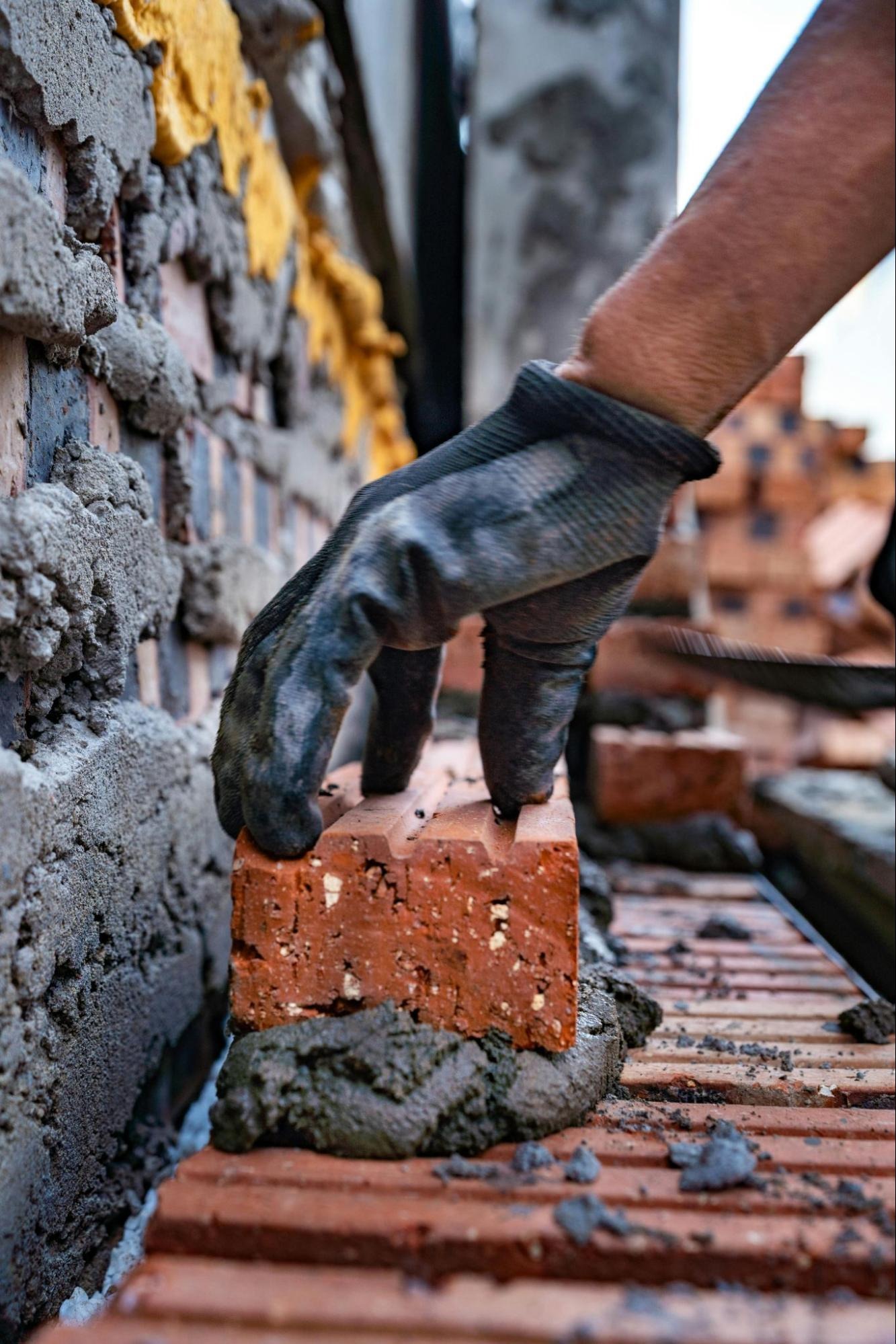
Common Mistakes Homeowners Make During Planning and How to Avoid Them
Underestimating the Importance of Early Planning Decisions
One of the most common issues in home construction is not giving enough attention to the planning stage. Many homeowners rush into design or construction without fully understanding how early decisions affect the entire project lifecycle.
In 2026, with rising construction costs and more advanced design options, early mistakes can become expensive to fix later. A poorly defined layout, unclear budget structure, or incomplete requirement list can lead to repeated design changes, delays, and increased costs during construction.
A strong planning phase ensures that every decision is intentional and aligned with long term goals rather than short term preferences.
Choosing Based on Price Instead of Long Term Value
Another major mistake is selecting construction services or materials based only on the lowest cost. While budget control is important, focusing only on price often leads to lower quality execution or higher maintenance costs later.
Modern homebuilding requires a balance between affordability and durability. High quality materials and experienced construction teams may require higher initial investment, but they significantly reduce future repair and renovation expenses.
Working with experienced professionals such as Diamante Azul Construction helps ensure that decisions are based on long term value, not just upfront pricing.
Ignoring Future Lifestyle Changes
Many homeowners design their homes based only on current needs without considering how their lifestyle may evolve. This often leads to space limitations or functional issues within a few years.
A well planned home in 2026 should account for future possibilities such as family expansion, remote work requirements, or lifestyle changes. Flexible layouts and adaptable spaces help ensure that the home remains functional over time without major reconstruction.
Lack of Communication with the Construction Team
Poor communication between homeowners and builders is another critical issue that affects project outcomes. Misunderstandings about materials, timelines, or design expectations can lead to avoidable delays and dissatisfaction.
Regular communication and structured updates help maintain alignment throughout the construction process. This ensures that the final outcome reflects the original vision with minimal deviation.
Building Your Dream Home in 2026 Is a Holistic Process
Building a home in 2026 requires a combination of thoughtful planning, careful budgeting, and a clear vision. With the right approach, you can create a living space that not only looks great but serves your needs both today and in the future. The key to success lies in understanding the importance of each step—from defining your vision and setting a realistic budget to selecting the right location, team, and sustainable design.
By taking the time to properly plan and execute your dream home project, you ensure a space that will bring you comfort, joy, and peace of mind for years to come.