How to Maintain a Tidy Yard with a Young Puppy
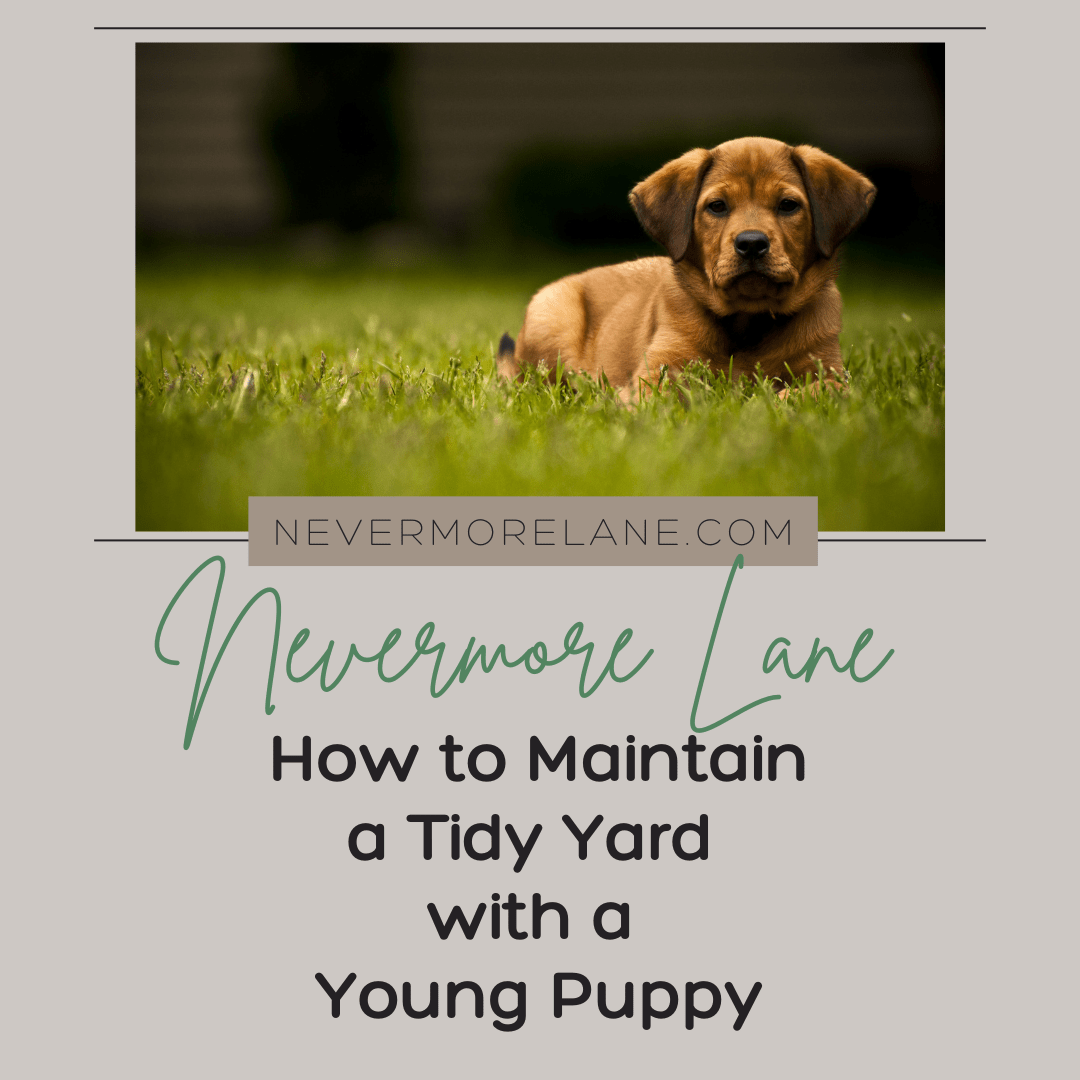
Anyone who’s brought a puppy knows the feeling. You spend time getting the yard looking just right. Then your new four-legged family member is outside for ten minutes, and somehow, it’s… a mess. They’re dirt everywhere. There’s a hole where the lawn used to be. There’s a trail of muddy paw prints heading straight for the back door.
The truth is, puppies are going to be puppies. They explore with their noses, their paws, and sometimes even their teeth. That doesn’t mean your garden has to suffer, though. A few small changes will save you a lot of frustration later on.
Puppy-Proof the Environment
Take a look around your yard from your puppy’s point of view. If something can be chewed, dug up, knocked over, or swallowed, there’s a very good chance it’ll end up on their list of things to investigate.
Move anything that could be dangerous – gardening products, tools, children’s toys, and so on. Check that any plants you’ve got are safe for dogs. It’s one of those jobs that’s easy to put off, but you’ll be glad you did it.
It also helps to give your puppy somewhere they’re allowed to burn off energy. They don’t know the difference between your prized flower bed and an empty patch of dirt. Create a space where they can run, play, and explore. This makes life easier for everyone.
Manage the Lawn and Landscaping
If your puppy is still toilet training, don’t expect the lawn to stay perfect. A few worn patches are pretty normal – especially during those first few months.
Rather than fighting a losing battle, think about making the yard easier to live with. Tough plants. Simple garden borders. Surfaces that are easy to clean. These work better than anything too high-maintenance.
That’s one reason many dog owners look into the best artificial turf for dogs. It stays neat, doesn’t turn into a muddy mess after rain, and stands up well to daily zoomies.
And if your puppy insists on digging? Try giving them one place where it’s allowed. It’s often much easier to teach where to dig than convince them not to dig at all.
Establish a Cleaning Routine
Here’s the thing: Keeping the yard tidy isn’t about spending hours outside every weekend. It’s the little jobs that make the biggest difference.
Pick up after your puppy as you go. Put toys away when playtime is over. If there’s mud, hose it down before it dries. None of it takes long, but it stops small messes from turning into bigger ones.
One habit that’s worth getting into is wiping your puppy’s paws before they come back inside. It sounds almost too simple, but it saves your floors – and your sanity! – on wet days.
To conclude, don’t worry if your yard looks a little more “lived in” than it used to. That’s just part of having a young dog. The digging phase won’t last forever. The training will eventually click. Before you know it, you’ll have a dog that knows the rules and a yard that’s much easier to keep looking its best.