How to Choose Bedding That Truly Lasts: A Practical Guide to Comfort, Quality, and Longevity
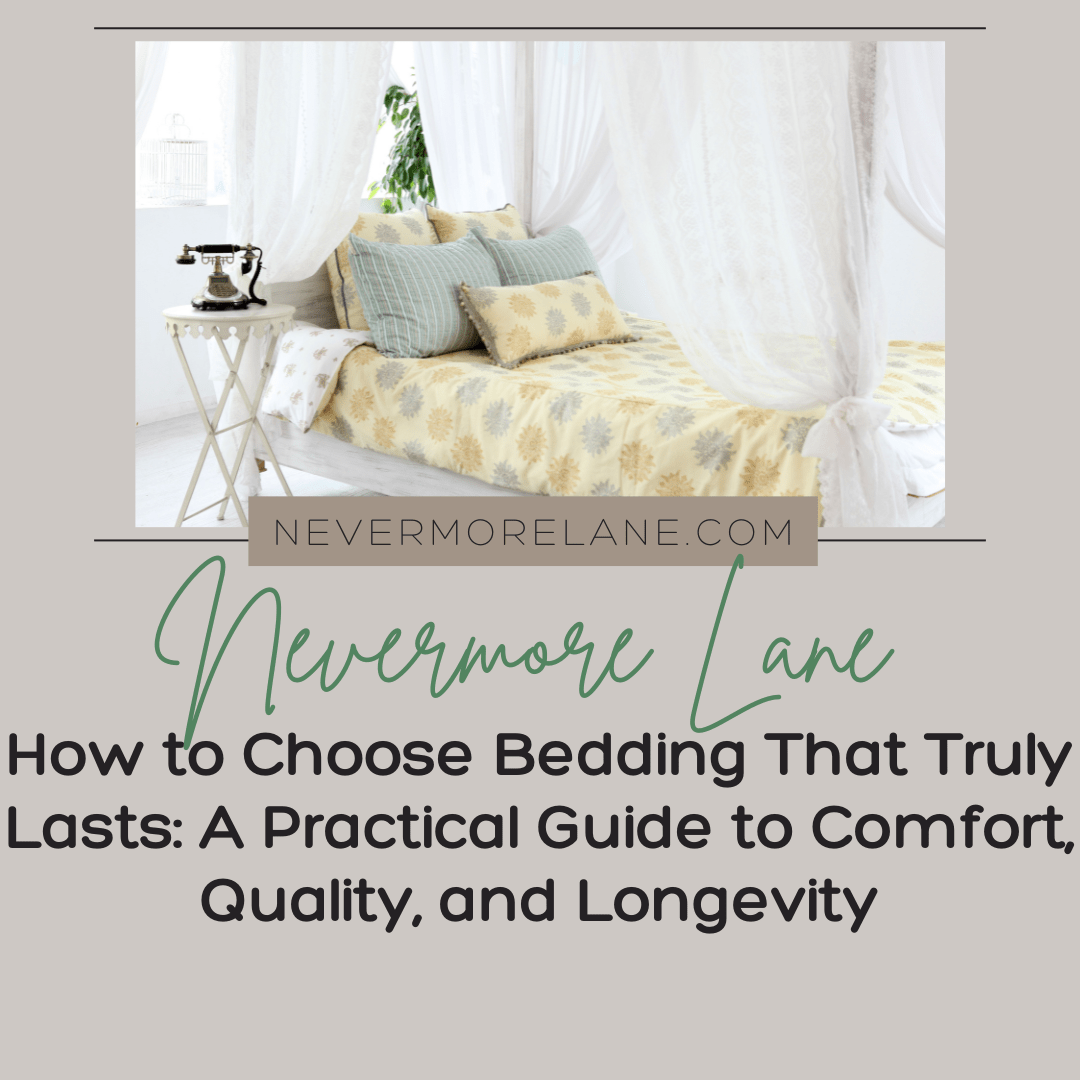
Your bed is one of the most frequently used surfaces in your home, and the sheets, duvets, and pillowcases on it endure constant washing, stretching, and body contact night after night. The long-term quality of your bedding matters far more than its color or trend appeal, yet many shoppers get caught up in aesthetics before they ever think about fiber type, weave, or construction—the actual factors that determine how bedding holds up after months or years of use. Online communities can be a helpful reality check here; home-decor forums often dig into whether certain bedding lines are actually worth it once the novelty wears off, such as threads examining serena and lily bedding from a long-term perspective, offering candid insight that goes beyond glossy marketing photos. This article draws on textile fundamentals and everyday household experience to help you evaluate any bedding set on its true merits.
Key Takeaway: At first glance, bedding can look similar, but material, weave, and construction determine whether it stays comfortable for years.
Understanding Bedding Materials: Fibers That Stand the Test of Time
Fiber choice shapes breathability, softness, and durability more than almost anything else. Long-staple cotton resists pilling and keeps a smooth surface far longer than short-staple varieties, which tend to fray and fuzz sooner. Linen is prized for its strength and breathability, and unlike most fabrics, it tends to get better with age rather than worse. Wool suits blankets and duvets well, thanks to its moisture-wicking warmth, while Tencel and similar regenerated fibers offer a soft hand feel with solid moisture management. Microfiber and polyester blends are budget-friendly and hold color well, but they can trap heat against the skin. Whatever fiber you land on, look for OEKO-TEX certification, which confirms the textile is free of harmful chemical residues.
What Quality Really Looks Like: Weave, Thread Count, and Construction
A thread count between 300 and 500 typically strikes the best balance of softness and durability for cotton sheets; anything advertised above 800 often signals inflated marketing more than genuine quality. Percale weaves are crisp, breathable, and long-wearing, while sateen feels smoother to the touch but depends heavily on the quality of yarn used. Single-ply yarns generally offer more honest durability than multi-ply construction, which can sometimes be a way to inflate thread count numbers without adding real value. Careful stitching, mitered corners, and secure closures are also small details that hint at genuine manufacturing care. A simple light test—holding the fabric up to a window—reveals weave density at a glance, while rubbing the fabric between your fingers can expose immediate fuzzing, a telltale sign of weaker fibers.
Evaluating Bedding for Long-Term Use: Beyond the First Wash
Well-made sheets can last 5 to 10 years with proper care, so it’s worth thinking beyond how they feel on day one. Watch for resistance to pilling, how well they retain their shape, and whether colors stay stable after repeated washing. When reading reviews, prioritize comments that describe performance after dozens of washes rather than glowing first impressions written the week the sheets arrived. Generous warranty or trial periods can also hint at how confident a manufacturer actually is in their product’s durability.
Key Takeaway: Look for reviews that describe performance after dozens of washes, not just how the bedding felt out of the package.
Caring for Your Bedding: Habits That Extend Its Lifespan
A few simple habits can protect your fibers significantly and add real years to a set’s life:
- Wash in cool or warm water with a gentle, non-bleach detergent.
- Skip fabric softeners, which clog fibers over time and reduce breathability.
- Dry on low heat or line-dry whenever possible to prevent fiber breakdown.
- Maintain a three-set rotation so wear is spread out rather than concentrated on one set.
- Always follow the specific care instructions for materials like linen or Tencel, since they don’t always behave like standard cotton.
Aligning Bedding Choices with Comfort, Health, and Ethics
Beyond durability, it’s worth matching fabric weight to your climate—percale for warmer sleepers or hot rooms, heavier weaves for cooler spaces. If you have sensitive skin, prioritize certified, low-chemical fabrics over anything marketed as simply “natural.” And when possible, look for transparent sourcing and ethical production practices that are backed by independent certifications rather than marketing claims alone.
Bringing It All Together: Making Confident Bedding Decisions
Durable bedding really comes down to three pillars: quality materials, sound construction, and thoughtful care. Take the time to examine labels closely, read long-term user experiences rather than just star ratings, and apply the same evaluation criteria consistently to any product you’re considering.
Key Takeaway: Durable bedding isn’t about the label; it’s about fiber quality, construction, and everyday care.
An informed buyer can evaluate any bedding set on its merits, not its marketing.
Photo by JU KIM: https://www.pexels.com/photo/a-bed-with-white-curtians-6922311/