How Personal Milestones Can Become Meaningful Acts Of Giving
Key Takeaways
- Tribute gifts turn birthdays, weddings, graduations, retirements, anniversaries, and memorials into opportunities to support meaningful causes.
- Honor gifts celebrate living people or happy milestones, while memorial gifts recognize someone who has died and help carry forward their legacy.
- Choose a cause that reflects the honoree’s interests, values, profession, or community connections.
- Donations to education, health, the arts, environmental protection, and social services can extend the impact of a personal gesture.
- Group collections, optional donation requests, matching gifts, and pooled contributions make tribute giving accessible to more people.
- A short, sincere message explaining the connection between the person and the cause can make a donation more personal.
- Music education can be a meaningful tribute for someone who values music, creativity, teaching, or opportunities for young people.
- Before donating, confirm the organization’s notification practices, retain receipts, and check applicable tax rules if deductibility matters.
Birthdays, weddings, graduations, retirements, anniversaries, and memorials are often times when people pause to consider what matters most. A tribute gift can turn that reflection into practical support for a cause with personal meaning. For example, readers can donate in honor of someone through Save The Music, using the Save The Music Foundation’s honor and memorial giving process to recognize a loved one while supporting its work to restore music education in public schools across the United States through instruments, programs, and support for teachers.
Giving does not need to replace the joy or importance of an occasion. It can add another layer to it. A small contribution, a group collection, or a request for donations instead of gifts can create a gesture that reflects the person being celebrated or remembered.
Why Milestones Often Inspire Generosity
Milestones naturally invite reflection on relationships, accomplishments, and shared experiences. A charitable gift can acknowledge those connections in a tangible way. Someone retiring after a career in health care might be honored through a gift to a community clinic, while a couple who loves the outdoors may appreciate support for a conservation effort. The amount matters less than the thought behind the choice.
The Difference Between Honor Gifts And Memorial Gifts
An honor gift recognizes a living person or a happy occasion, such as a birthday, wedding, graduation, promotion, or retirement. A memorial gift remembers a person who has died and may be made by family, friends, colleagues, or community members. Both are tribute gifts, but their tones differ. Honor gifts celebrate a person’s present influence, while memorial gifts help carry forward a legacy through a cause that reflects the person’s values, interests, or life story.
Choosing A Cause That Feels Personal
A thoughtful choice starts with the person, not the donation form. Consider:
- Their passions, hobbies, profession, or community ties.
- Causes that have affected them or their family directly.
- Organizations that clearly explain their programs, finances, and goals.
- An amount that fits comfortably within your budget.
- Whether a one-time contribution or recurring support better suits the occasion.
How Tribute Giving Supports Wider Communities
One personal gesture can help fund work in education, health, the arts, environmental protection, or social services. Broad participation matters because community organizations benefit from support from many people, not just major donors. Recent discussion of the decline in grassroots giving has also highlighted why smaller gifts remain important to nonprofits and the communities they serve.
Turning A Celebration Into A Shared Giving Moment
Group giving can be simple and optional. Add a short note to an invitation, event page, or group message explaining the cause and why it is appropriate for the occasion. Guests might donate instead of bringing a traditional gift, share a brief memory of the honoree, or contribute to a pooled gift. A family member or employer can offer to match donations, but the request should remain warm, voluntary, and free of pressure.
Using Music Education As A Lasting Tribute
Music can be an especially fitting tribute for a performer, teacher, student, or lifelong listener. A gift connected to school music education can recognize a person’s love of creativity while helping create opportunities for young people. It also gives friends and relatives a clear, lasting way to connect a personal memory with a future-facing purpose.
Writing A Personal Message For The Gift
Keep the message short, sincere, and specific. Mention a shared memory, a quality you admire, or the reason the cause was chosen. For example:
- Birthday: “In celebration of your generous spirit and your love for animals.”
- Wedding: “Honoring your new life together by supporting a cause you both value.”
- Graduation: “Celebrating your achievement and the opportunities ahead.”
- Retirement: “Thank you for the care and dedication you brought to your work.”
- Memorial: “In loving memory of a person whose kindness continues to inspire us.”
Making Giving Accessible In 2026
Meaningful giving does not require a large budget or a perfect plan. Options include a modest one-time donation, a monthly contribution, a group gift from relatives or coworkers, a workplace matching gift, or volunteer time paired with a contribution. If tax treatment is part of your decision, review the rules for charitable contribution deductions and consult a qualified tax professional for advice based on your circumstances.
A Simple Five-Step Tribute Giving Checklist
- Choose the person or milestone you want to recognize.
- Select a cause that reflects their values.
- Set a comfortable giving amount.
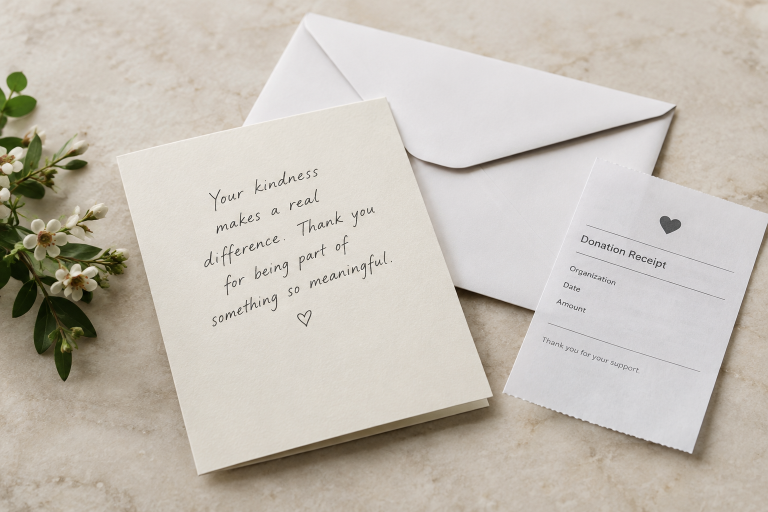
- Add a personal message and recipient details, if requested.
- Save the confirmation and receipt for your records.
Common Questions About Tribute Donations
Can A Tribute Gift Replace A Traditional Present?
Yes. A donation can be a meaningful alternative to flowers, birthday gifts, wedding presents, or retirement gifts, especially when the recipient already has what they need.
Does The Recipient See The Donation Amount?
Many organizations notify the honoree or family without sharing the amount. Check the organization’s policy before giving, since notification practices can vary.
Can Several People Give Together?
Yes. Families, coworkers, classmates, and friends can pool contributions, organize a collection, or invite others to participate in a matching campaign.
Is A Tribute Donation Tax Deductible?
Eligibility depends on the organization, the gift, and the donor’s individual tax situation. Keep documentation and seek professional guidance when needed.
Let The Occasion Carry Forward
Tribute giving can add lasting meaning to both joyful celebrations and difficult moments. The strongest gift is not necessarily the largest one. It is the one that reflects a person’s story, supports a worthwhile cause, and gives others an easy way to take part.
Photo by Antoni Shkraba: https://www.pexels.com/photo/person-holding-a-small-gift-box-5486833/