How Much Does a Kitchen Remodel Cost, and What Actually Drives the Price?
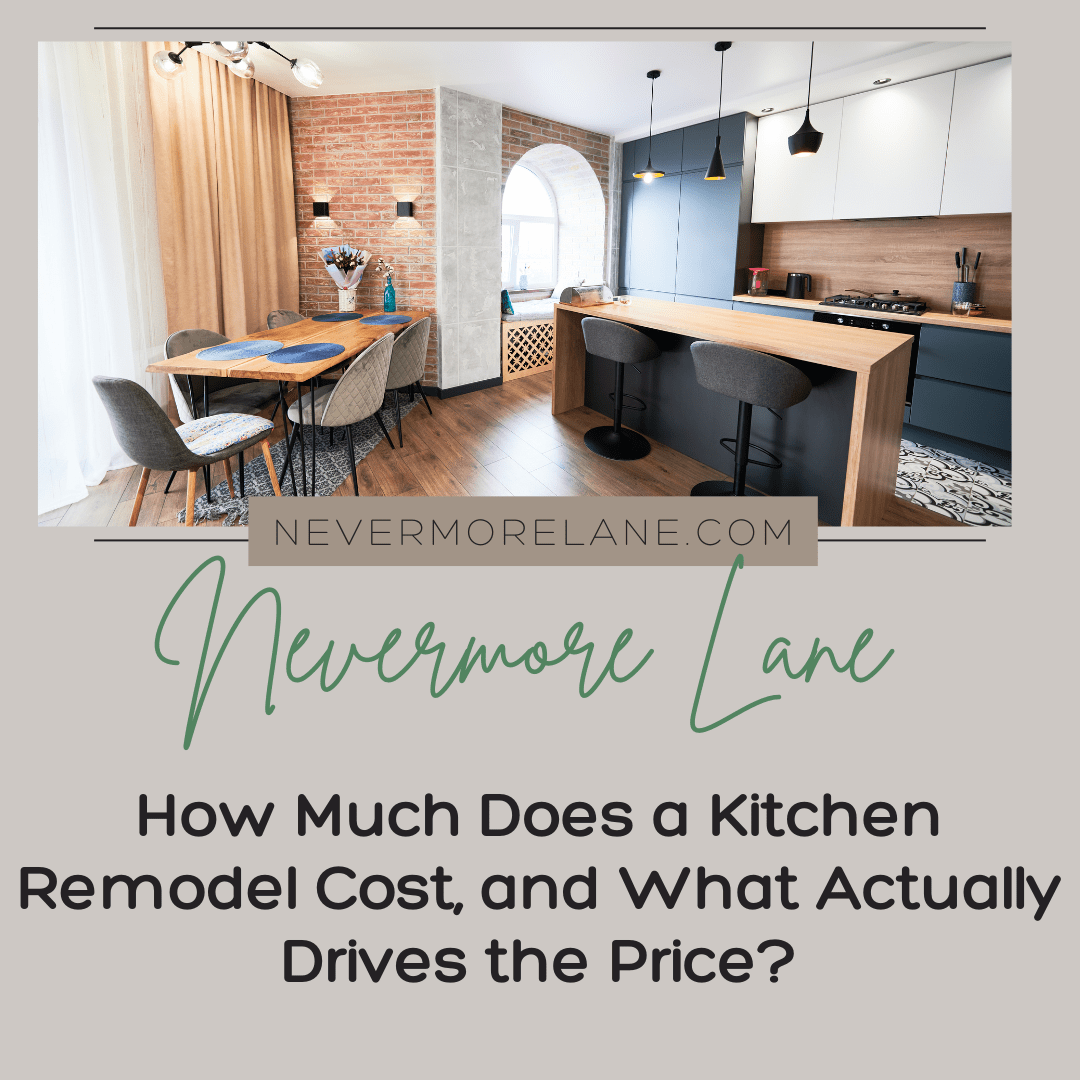
If you’ve started pricing out a kitchen remodel, you’ve probably noticed the numbers all over the map, anywhere from around $14,600 for a modest refresh to well over $160,000 for a full gut renovation. That wide range isn’t random: three main factors, size, scope, and materials, do most of the heavy lifting when it comes to your final bill, while decisions like cabinetry style, layout changes, and whether you’re moving plumbing or electrical can push costs up fast.
You can think of any coherent response as a range, but the ranges are too large to be helpful. This is not being evasive; a kitchen is the worst kind of renovation to price because it is so varied that two kitchens the same size can vary by a factor of three.
It helps to know what those ranges are before asking. Anyone pricing kitchen remodeling Temecula or other areas, will get numbers that make little sense until you understand why, at which point the pattern will become evident.
Understanding what actually drives the price before you start swinging a hammer (or hiring someone who will) can help you set a realistic budget, avoid costly surprises, and decide where it’s worth splurging versus where you can safely save.
The Ranges People Actually Quote
The figures most often cited put cosmetic updates (paint, fixtures, refinished cabinets, new countertops) in the low tens of thousands, a mid-range remodel with new stock or semi-custom cabinets at thirty to sixty thousand, and an aggressive remodel with custom cabinets and appliances well above that. Regional labor and material costs shift all of these, so these figures are a rough guide at best, with Southern California at the top of the national scale in many categories.
Where the Money Actually Goes
Cabinets are by far the single largest category, usually taking up a third of the total. Labor is the second largest category, ranging from a fifth to a quarter. Appliances, countertops, flooring, lights, plumbing, and the permit itself, usually make up the rest.
Why the Layout Decision Matters More Than the Finishes
Keeping the sink, the range, and the fridge in their original locations is a huge cost-saver that few people realize when they embark on a remodel. Moving these centers of activity involves rerouting plumbing and gas lines behind walls and/or cutting into the floor, which necessitates permits and inspections. A remodel that leaves the original layout intact and uses the money saved on higher-end cabinets or countertops looks much nicer than one that moves everything and then economizes on generic appliances and finishes.
The 10×10 Benchmark and Its Limits
The industry usually refers to a ten-by-ten kitchen as a benchmark for the purposes of pricing out cabinets, which makes some sense in comparing one set to another. It is much less useful as a rough cost estimator for a complete remodel, because it leaves out appliances, demolition, the original condition of the space being remodeled, and many other variables. It should be used strictly as a comparison tool, along with similar calculators found online, all of which price a generic kitchen and not the one you intend to remodel.
What Turns Up Once the Walls Are Open
Older houses tend to have their worst issues tucked behind the places where the kitchen is installed. These can include plumbing leaks behind the sink, rotted subflooring from constant moisture, outdated or undersized circuitry, gas lines in incorrect or unsafe materials, and even asbestos or leaded paint. These are all things that add significantly to the expense of a remodel, but also all things that cannot be known before breaking things open, which is why any responsible contractor will add ten to twenty percent contingency funds for unknowns to the overall budget.
Where It Is Worth Spending and Where It Is Not
The parts that get used daily are the hinges and slides on storage units, the sink and its fixtures, and the countertop next to the cooktop, which should all get solid attention during the remodel. The items in the kitchen that see only visual use allow much more leeway for cutting costs, and the difference between sturdy plywood and much cheaper particle board inside a cabinet box matters much more after ten years than the difference between two similar grades of quartz. Appliances are the category where people are most likely to overpay relative to how the kitchen actually gets used.
The Costs That Do Not Appear in the Quote
Most people who are shocked by a remodeling bill are shocked at the amount of food they eat out while the project is ongoing. A temporary kitchen elsewhere in the house, additional trash removal, storage of things too large to fit elsewhere, and time spent working away from the job on permits and inspections all add up to far more than most people budget for.
How to Compare Three Quotes Fairly
Quotes can only be fairly compared to others on the same page. It is vital to look at whether the contractor is pricing demolition and removal, appliances and their installation, permits, and materials or just allowing funds for them. The latter is where most low-ball offers will show up, since a lower tile allowance lets a contractor quote a lower total and leaves you to make up the difference later. Find out what happens if the job goes over the original estimate, whether it is a hard price or just a target, and what the payment schedule looks like based on completed work.
Final Thoughts: The Layout and the Cabinets Set the Number
The decision regarding keeping the old layout or moving everything is easily the most important one in terms of setting a budget for a kitchen remodel. The same is true for the selection of cabinets, which should be viewed as the foundation on which the rest of the kitchen is built. Anyone shopping around for contractors should ask for three estimates that all pertain to the exact same set of conditions, each including a line for unknown expenses once the work begins.