How Brickwork Repairs Protect a Home’s Long-Term Structure
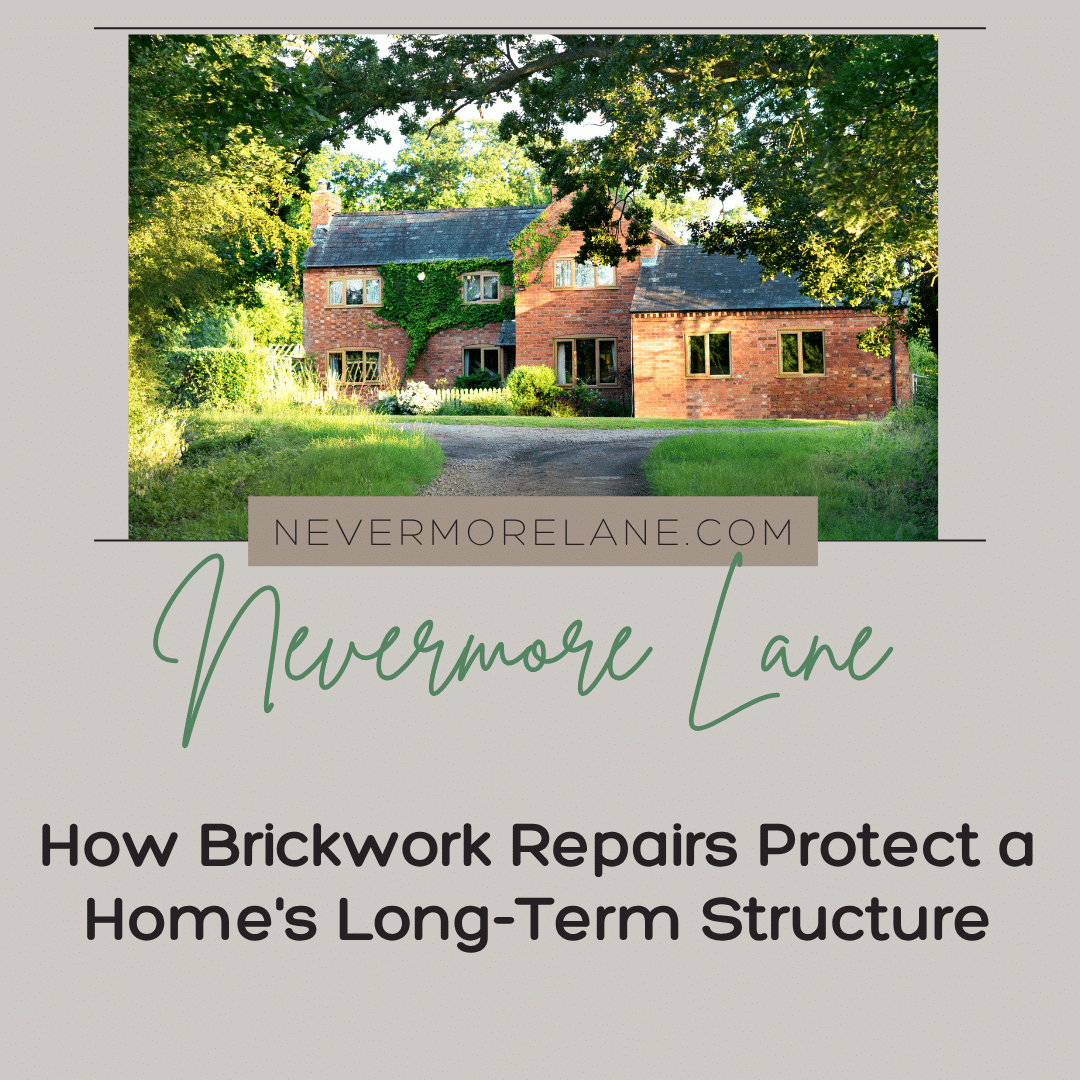
Your home’s brick walls have been quietly holding up a lot: the roof, the floors, and every winter storm that ever blew through. In a city like Philadelphia, where rows of century-old brick homes line the streets, it’s easy to assume that solid-looking walls will simply keep standing forever. But brick doesn’t work alone. It depends on mortar, and mortar wears out.
So what actually happens when small cracks and worn joints are ignored, and how do brickwork repairs keep a home sound for the long haul? Here’s a plain-language look at how the whole wall works, what goes wrong, and how timely repairs protect your home’s structure for decades to come.
Brick Walls Do More Than Look Good
A brick wall is really a team: the bricks, the mortar between them, and the details around openings such as lintels and sills. In many older homes, those walls also carry loads from floors and the roof, so their condition affects the whole building, not only its appearance.
Mortar is the softest part of that team, and that’s on purpose. It’s designed to wear first, so the bricks don’t have to. Over time, though, joints crack, crumble and recess, and the wall gradually loses some of its ability to shed water and hold together.
Water Is the Real Threat
Nearly every serious masonry problem starts with moisture. The U.S. Census Bureau’s 2023 American Housing Survey found that 11.8 million households reported water leakage from outside their home, out of 133.2 million occupied housing units nationwide, or roughly one in eleven.
That figure covers every source of outside leakage, including roofs and windows, not only brick. Still, it shows how common water intrusion is. In brick walls, water gets in through worn joints and cracks, and in cold weather it freezes, expands and pushes the masonry apart. Repeat that cycle over many winters and small gaps turn into loose bricks, spalled faces and damp interiors.
Signs Your Brickwork Needs Attention
Most brick problems announce themselves long before they become serious, if you know what to look for. Walk around your home and check for:
- Mortar that’s sandy, crumbling or recessed from the brick face
- Cracks along mortar lines, or stair-step cracks running through the wall
- Bricks that are flaking, chipping or have lost their outer surface
- White, powdery deposits on the brick, which can signal moisture moving through the wall
- Damp spots, peeling paint or stains on interior walls near exterior brick
- Sagging or cracked lintels above windows and doors
Spotting one or two of these doesn’t mean a crisis, but they’re worth having a mason evaluate, since worn brickwork rarely improves on its own.
Repointing Keeps Water Out of the Wall
Repointing, sometimes called tuckpointing, means removing deteriorated mortar from the joints and replacing it with fresh mortar. It’s the most common brickwork repair, and it’s one of the most protective. A tight, sound joint sheds rain instead of soaking it up, which protects the bricks, the wall’s interior and the framing behind it.
Timing matters. Repointing early, while most joints are still in decent shape, is far simpler than rebuilding sections of wall after moisture has done its damage.
Matching the Mortar Protects the Brick Itself
Older homes often have details that give them a character newer construction cannot easily replicate. Original brick patterns, stone accents, decorative steps, and carefully laid masonry can all add to a property’s appeal, but years of weather exposure can leave these features cracked, worn, or uneven.
That is where the right restoration approach matters. Homeowners looking for brickwork in Philadelphia may want repairs that blend naturally with the home’s existing materials rather than replacing historic features with something that looks out of place.
Disciple Masonry specializes in brick repair, repointing, stone masonry, and historic restoration, with an emphasis on techniques and materials suited to older structures.
For older masonry, the goal is not simply to make damaged areas look new. A well-matched repair should complement the original brick or stone while helping preserve the character and integrity of the home for years to come.
Replacing Damaged Brick and Repairing Details Stops Problems From Spreading
Sometimes the mortar isn’t the only issue. Bricks that have crumbled, cracked or lost their faces can let water into the core of the wall. Replacing them, and rebuilding any section that has shifted, restores the wall’s continuity and prevents localized damage from growing.
Details around windows and doors deserve attention too. Lintels and sills help move loads and water around openings, and when they crack or rust, gaps can open and walls can settle nearby. Repairing them early is usually far simpler than dealing with a shifting wall later, and a mason can tell whether a crack is cosmetic or a sign of something deeper.
Early Repairs Cost Less Than Delayed Ones
Deferred masonry work tends to cost more over time. A few hours of repointing can prevent water from reaching insulation, framing and interior finishes, which are much harder and more expensive to repair. Small repairs also let you choose the timing, instead of reacting to a leak in the middle of a storm.
Regular inspections help too. A quick walk-around each spring and fall, plus keeping gutters and downspouts clear so water doesn’t run down the wall, will catch many issues while they’re still minor.
What to Ask Before You Hire a Mason
Good brickwork is skilled work, and the right contractor makes a lasting difference. Before you decide, consider asking:
- Have you worked on brick homes of this age and style?
- How will you match the existing mortar’s color, texture and strength?
- Will you inspect the whole wall, not just the area I pointed out?
- Can you provide photos or references from similar projects?
- Are you licensed and insured, and what does the estimate include?
A written estimate and clear, specific answers are a good sign you’re in capable hands.
Our Final Thoughts
Brickwork repairs protect a home’s long-term structure because they defend against water, the force that does the most damage to masonry over time. Repointing seals worn joints, matching mortar protects the brick itself, replacing failing bricks and repairing details stops small problems from spreading, and early attention keeps repairs small and affordable. Start with a careful look at your walls, have a qualified mason evaluate anything that concerns you, and choose materials and methods that suit your home’s age. With that kind of steady care, brick walls that have stood for a century can keep doing their job for many more decades.