Hormonal Balance and Menstrual Health: 7 Best Habits for Women
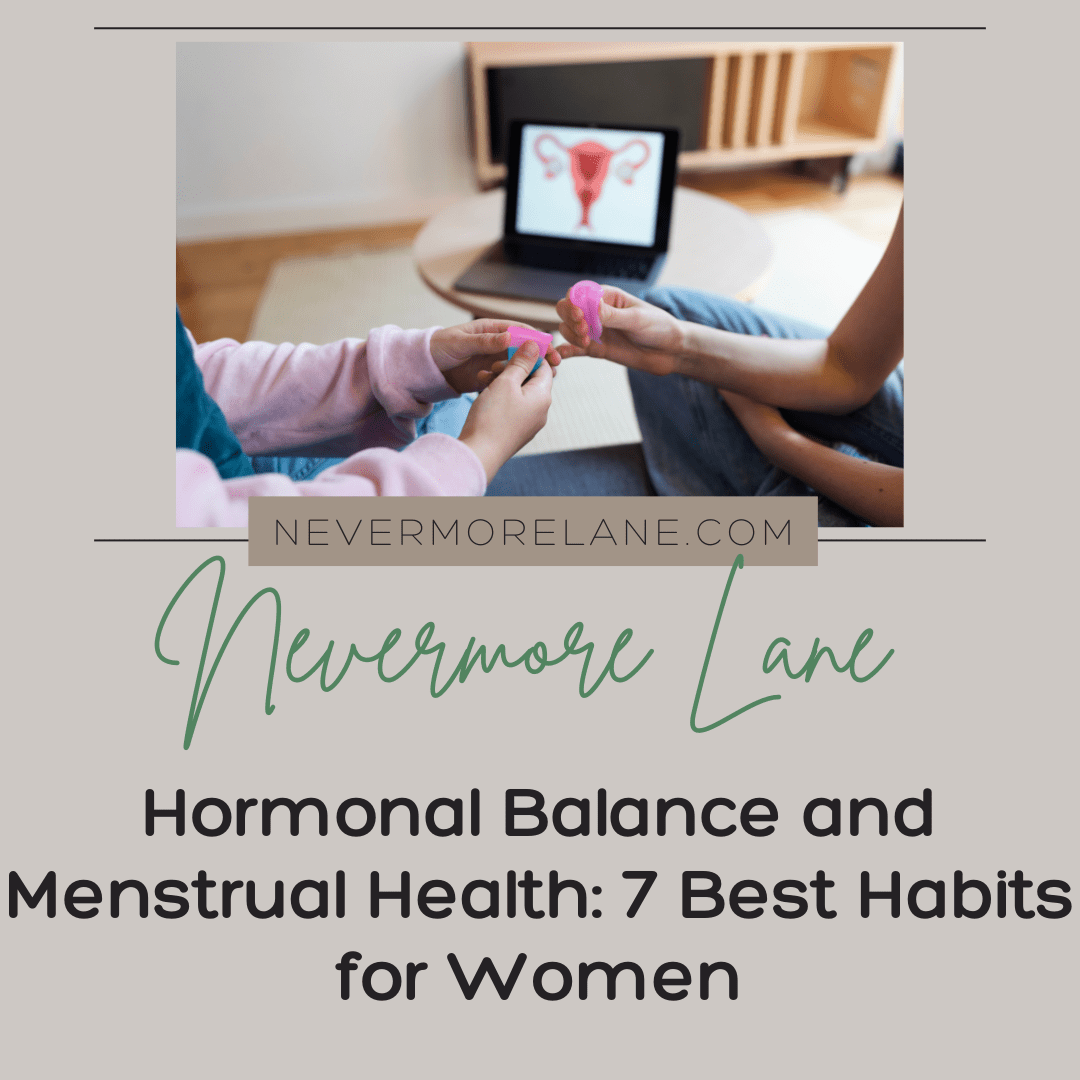
Information about menstrual health and hormonal balance can often feel incomplete or even downright contradictory for many women. It doesn’t help that conversations about periods and related symptoms are typically limited to brief doctor visits or passed-down advice that lacks context. As a result, it can be difficult to know what is normal, what deserves attention, and what habits actually make a difference.
The good news is that there are practical, everyday habits you can develop to better support hormonal balance and menstrual health. These habits focus on awareness and care, and adopting them can help you feel more in tune with your body over time. Here are some that every woman should know about:
1) Paying Attention to Your Cycle Patterns
One of the most empowering habits you can build is simply paying attention to your menstrual cycle. Your cycle provides valuable signals about how your body is functioning, from energy levels to mood changes and physical symptoms. Tracking when your period starts and ends, as well as noting symptoms like cramps or headaches, can help you recognize patterns rather than treating each cycle as an isolated event.
Over time, this awareness allows you to anticipate changes and plan accordingly. You may notice, for example, that you feel more energetic during certain weeks and more introspective during others. Understanding these rhythms helps you respond to yourself with care instead of frustration, and it also gives you clearer information to share with healthcare providers if concerns arise.
2) Supporting Hormones Through Balanced Nutrition
What you eat plays a significant role in how your hormones function. A balanced diet that includes whole grains, lean protein, healthy fats, fruits, and vegetables provides the building blocks your body needs to regulate hormones effectively. Skipping meals or relying heavily on processed foods, on the other hand, can contribute to blood sugar fluctuations and worsen your menstrual symptoms or affect your energy levels.
Vitamins and minerals are especially important in this context. Nutrients like iron, magnesium, and B vitamins support energy and muscle function. Many women also look to supplements, such as a multivitamin D option, to help fill nutritional gaps when diet alone falls short. While supplements are not a replacement for whole foods, they can support overall balance when used thoughtfully and with professional guidance.
3) Prioritizing Consistent, Restorative Sleep
Sleep is often overlooked in discussions about hormonal health, yet it plays a critical role in regulating key hormones related to stress and reproductive health. When you consistently get too little sleep or experience irregular sleep patterns, your body may struggle to maintain balance, which can show up as increased PMS symptoms or cycle irregularities.
A bedtime routine that supports quality rest will make a noticeable difference. This may include limiting screen time before bed or keeping a consistent sleep schedule. It also helps to create a calming environment before bedtime. Restorative sleep helps your body reset and allows hormonal systems to function more smoothly throughout your cycle.
4) Managing Stress in a Sustainable Way
Stress is a normal part of life, but chronic stress can interfere with hormonal balance by keeping cortisol levels elevated. Over time, this can affect ovulation and menstrual regularity, and it can even impact your overall well-being. Managing stress does not mean eliminating it entirely, but rather finding sustainable ways to respond to it.
Practices such as gentle exercise and mindfulness can help signal safety and calm to your nervous system. Journaling or spending time outdoors can also have the same effect. When stress management becomes part of your routine, your body is better equipped to maintain balance, even during demanding periods of life.
5) Choosing Movement That Supports Your Body
Physical activity supports circulation, mood, and metabolic health, all of which influence hormonal balance. However, the type and intensity of movement matter. Overexertion without adequate recovery can place additional stress on the body, while too little movement may contribute to stiffness and low energy.
Listening to your body and choosing movement that feels supportive, rather than punishing, will allow you to create a healthier relationship with exercise. This might mean adjusting intensity based on where you are in your cycle or prioritizing activities that you genuinely enjoy.
6) Being Mindful of Products That Affect Hormones
Everyday products, from skincare to household cleaners, can contain substances that interact with humans’ hormonal systems. While it’s not realistic to avoid all potential irritants, becoming more mindful of what you use regularly will contribute a lot towards your overall health and wellness.
Read labels and choose simpler formulations to reduce unnecessary exposure to these substances. Minimizing their impact on your body starts with making gradual changes where possible. After all, this habit is less about perfection and more about awareness and making smarter choices that align with your health priorities.
7) Seeking Regular Check-Ins with Healthcare Providers
Regular medical check-ins are also an important part of maintaining menstrual and hormonal health. These visits provide an opportunity to discuss changes in your cycle or address concerns and ask questions that may not come up in everyday conversations.
Find a healthcare provider who listens and can explain what’s happening to you. This will help you feel more confident in managing your health. It also reinforces the idea that menstrual health is a vital part of overall well-being, not something to dismiss or endure quietly.
Building Long-Term Hormonal Health
In the end, being more open about menstrual health and hormonal balance will help shift these topics from the margins to the center of everyday health conversations. If more women feel empowered to learn and talk about their bodies, it will become easier to recognize what feels right, what needs attention, and how to care for oneself with intention. In that shared understanding, women are better equipped to stay connected to their bodies and support one another along the way.