Home Improvements After a Disaster: Where to Start
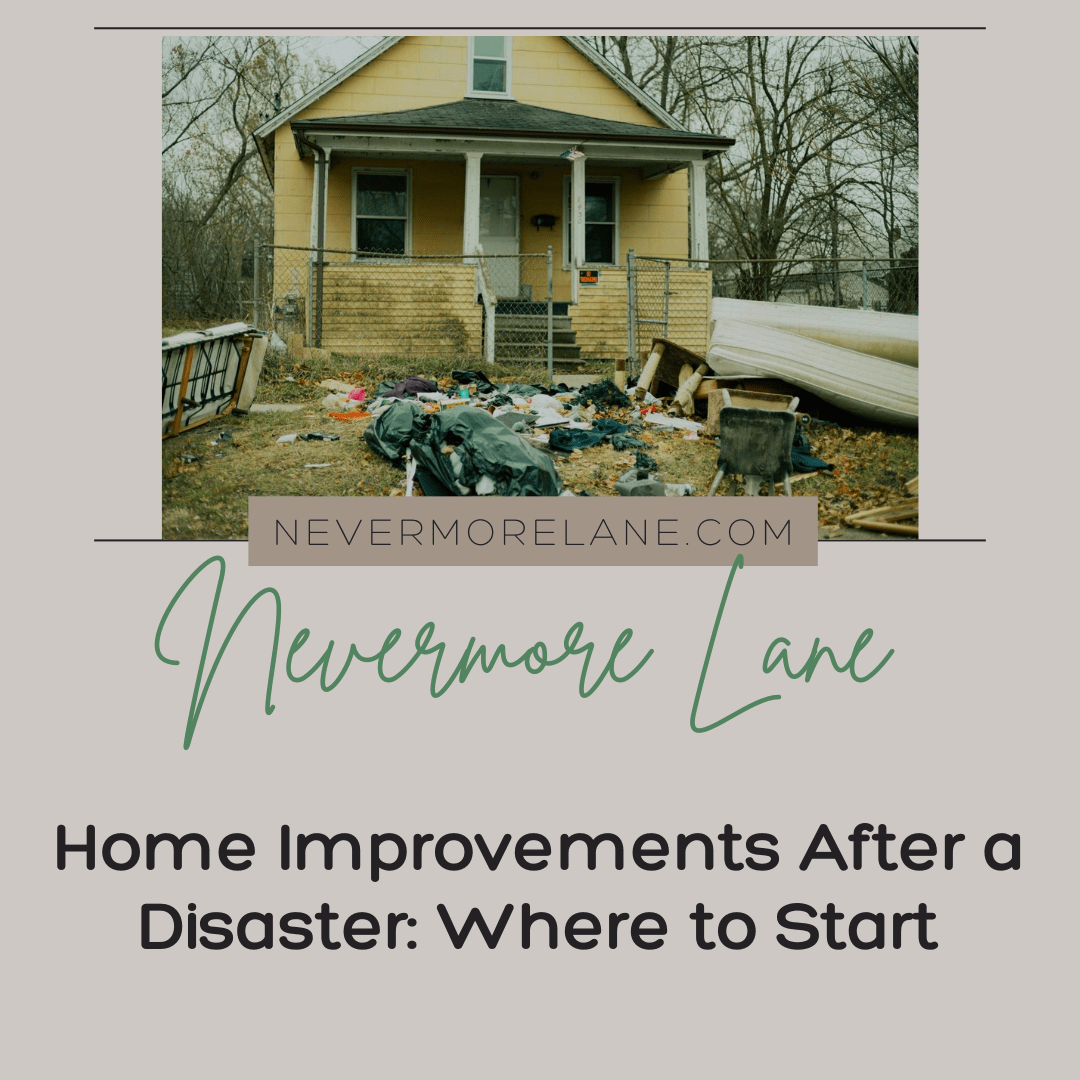
Shock sets in quickly after a disaster strikes your home. One moment, everything feels normal, and the next, you are dealing with water pouring through ceilings, smoke clinging to walls, or debris scattered across your living space. Stress can cloud your judgment, which is why the first steps matter so much. Clear thinking and steady action help you protect your family, reduce further damage, and set the stage for a smooth recovery.
Start with safety and clarity. Make sure everyone is accounted for and out of harm’s way. Resist the urge to jump straight into cleanup before you understand the scope of the damage. A structured approach keeps emotions in check and prevents costly mistakes. Once the immediate risks are under control, you can shift your focus toward professional support and a practical repair plan.
Immediate Safety and Stabilization
Safety comes first, always. Confirm that every member of your household is safe and that no one requires medical attention. Turn off electricity, gas, and water if there is any sign of leaks, flooding, or structural compromise. Utility issues can escalate quickly and create hazards long after the initial disaster.
Inspect the property carefully before stepping inside. Visible cracks in the foundation, sagging ceilings, or standing water may signal deeper structural problems. Limit access to damaged areas until a professional confirms the space is secure. Temporary fixes, such as covering broken windows or tarping exposed sections of the roof, help protect your home from further weather damage or theft.
Professional Emergency Services
Once immediate safety concerns are addressed, professional support becomes essential. Disaster damage often extends beyond what you can see on the surface. Structural weaknesses, trapped moisture, and contamination risks require trained evaluation. Restoration specialists bring the tools and experience needed to prevent further deterioration and stabilize affected areas before repairs begin.
One example is Horizon Emergency Services & Restoration, a company recognized for rapid disaster response and property stabilization. You can call Horizon 24 hour emergency services for immediate on-site assessment, rapid mitigation, and expert coordination of your restoration plan. Quick action helps limit structural damage and keeps repair costs from escalating. Emergency teams often handle board-up services, water extraction, debris removal, and temporary structural reinforcement to secure the property.
Comprehensive Damage Inspection
A thorough inspection lays the foundation for every repair decision. Surface damage rarely tells the whole story. Water can travel behind walls, smoke can settle into insulation, and structural stress may not appear until days later. Walk through the property with a qualified contractor or restoration specialist. Document every affected area with photos and written notes. Pay close attention to ceilings, subfloors, support beams, and exterior walls. Hidden moisture can lead to mold growth if it is not identified early.
Create a prioritized list of repairs based on urgency and structural impact. Structural integrity, electrical systems, and plumbing should take precedence over cosmetic concerns. Organized documentation also strengthens your insurance claim and keeps contractors aligned with your expectations.
Insurance Documentation and Claims Strategy
Strong documentation makes the insurance process smoother and more predictable. Take clear photos and videos of every damaged area before cleanup begins. Capture close-up images and wide-angle views to provide full context. Keep records of emergency expenses such as temporary lodging, meals, and immediate repair services. Maintain copies of contractor estimates and professional assessments. Contact your insurance provider promptly and provide organized evidence to support your claim.
Meet with the adjuster prepared and confident. Detailed documentation reduces disputes and speeds up approvals. Clear communication keeps expectations realistic and prevents misunderstandings that can delay repairs.
Water Removal and Drying Plan
Water damage requires swift and deliberate action. Even small amounts of moisture can seep into drywall, insulation, and flooring. Rapid extraction reduces the risk of mold growth and material deterioration. Remove standing water using professional-grade equipment. Set up industrial dehumidifiers and air movers to circulate dry air throughout affected areas. Moisture meters help confirm that walls and subfloors reach safe dryness levels before reconstruction begins.
Dispose of materials that cannot be salvaged, including saturated insulation and warped structural components. A controlled drying plan protects the integrity of your home and creates a stable foundation for the rebuilding phase. Careful attention during this stage prevents recurring problems long after visible damage is repaired.
Structural Repairs and Core Systems
Structural repairs form the backbone of your recovery. A home cannot function properly if its core systems remain compromised. Framing, roofing, and foundation elements must be inspected and restored before cosmetic work begins. Weak support beams or damaged roof decking can lead to ongoing issues if left unresolved.
Licensed contractors should evaluate electrical wiring, plumbing lines, and HVAC systems. Fire and water damage often affect these systems in ways that are not immediately visible. Wiring may corrode, pipes may shift, and ventilation systems may carry contaminants throughout the home. Professional inspections ensure that everything operates safely and efficiently.
Interior Restoration and Finishing Choices
Interior restoration brings your home back to life. Walls, flooring, cabinetry, and fixtures shape how the space feels every day. Thoughtful material selection during this phase makes a lasting difference in durability and comfort.
Choose materials designed to withstand potential risks common to your area. Moisture-resistant drywall, impact-resistant roofing, and durable flooring reduce vulnerability to future damage. Paints with mold-resistant properties provide added protection in areas prone to humidity.
Long-Term Improvements and Preventive Upgrades
Recovery presents an opportunity to strengthen your home against future events. Preventive upgrades reduce risk and provide peace of mind. Drainage improvements, sump pump installation, and backflow valves protect against flooding. Reinforced roofing materials offer greater resistance to storms and debris.
Evaluate exterior grading and landscaping to ensure water flows away from the foundation. Sealing cracks and improving insulation also help maintain structural integrity. Security upgrades such as stronger doors and impact-resistant windows add another layer of protection.
Home recovery after a disaster requires patience and a steady approach. Clear priorities help you move from immediate stabilization to full restoration without confusion. Safety, professional guidance, careful documentation, and durable rebuilding strategies form the foundation of a successful recovery.
Each step builds toward a home that feels secure again. Thoughtful repairs and preventive upgrades transform a difficult experience into an opportunity to rebuild stronger. Careful planning ensures that your home not only returns to normal but stands better prepared for whatever comes next.