Healing Beyond the Ice Pack: A Holistic Take on Athletic Injury Treatment
Imagine this: You’re finally hitting your stride at the gym, pushing through that last set of squats, feeling stronger than ever in your weight loss journey. Or maybe you’re out on a morning run, the rhythm of your feet on the pavement syncing with your breath, training for that neighborhood 5K. Then, out of nowhere, a sharp twinge in your knee or a pull in your hamstring stops you cold. It’s the kind of athletic injury that every average fitness enthusiast dreads—not the dramatic tear of a pro athlete, but the nagging ache that sidelines your progress and leaves you wondering, “Now what?”
We’ve all been there, reaching for the ice pack as our first line of defense. The classic RICE method—Rest, Ice, Compression, Elevation—has its place in reducing immediate swelling and pain. But what if recovery could be more than just managing symptoms? What if treatment for athletic injuries became a transformative wellness journey, one that not only heals your body but also boosts your overall health, supports sustainable weight loss, and reignites your passion for exercise? In this article, we’ll explore a holistic approach to athletic injury treatment, tailored for everyday people like you and me. Drawing from time-tested techniques, including care from trusted Mississauga chiropractors, chiropractors in your area, and similar experts, we’ll go beyond the basics to nurture your body, mind, and spirit back to vitality.

Starting with the Foundations: Listen to Your Body
The first step in any healing journey isn’t about rushing back to the treadmill—it’s about tuning in. Rest isn’t just lounging on the couch; it’s an active choice to give your body the space it needs. For the average gym-goer or casual runner dealing with treatment for athletic injuries, this means scaling back high-impact activities and incorporating gentle movements that don’t aggravate the issue. Think light walking around the block or easy swimming if your joints allow it. Pair this with quality sleep—aim for 7-9 hours a night—because that’s when your body does its deepest repair work. During my own bout with a sprained ankle from overdoing it on the elliptical, I learned that skipping rest only prolonged the pain. Instead, embracing downtime helped me reflect on my routine and make smarter choices moving forward.
Hydration plays a starring role here too. Water isn’t just for quenching thirst; it’s essential for transporting nutrients to injured tissues and flushing out inflammation. Dehydration can make everything worse, from muscle cramps to slowed recovery. Make it a habit to sip throughout the day, especially if you’re blending exercise back into your life. Electrolyte-rich drinks can help if you’ve been sweating it out, but for most of us, plain water with a splash of lemon does the trick.
Nourishing from the Inside Out: Fuel for Recovery
Holistic healing shines when we consider nutrition as medicine. Athletic injuries often disrupt our weight loss goals, but the right foods can turn that around by supporting repair without packing on pounds. Focus on anti-inflammatory powerhouses: lean proteins like chicken, fish, eggs, or plant-based options such as beans and tofu to rebuild muscle tissue. Add in colorful fruits and veggies—berries for antioxidants, spinach for vitamins, bell peppers for vitamin C—which help combat swelling naturally.
Omega-3 fatty acids, found in salmon, walnuts, or flaxseeds, are game-changers for reducing inflammation and promoting joint health. During recovery, I swapped my usual snacks for smoothies loaded with these goodies, and it not only aided my healing but kept my energy steady for lighter workouts. Avoid processed foods and sugars that can spike inflammation; instead, opt for whole grains like quinoa or oats to sustain you without the crash. This approach isn’t about strict dieting—it’s about viewing food as part of your wellness toolkit, helping you maintain or even advance your weight loss while your body mends during treatment for athletic injuries.
Moving Mindfully: Gentle Exercise and Flexibility
Once the acute pain subsides, it’s time to reintroduce movement—but gently. Stretching and mobility work are your allies here, improving blood flow and reducing tightness without risking re-injury. Start with static stretches, holding positions like a seated forward bend for 15-30 seconds to ease tension in your hamstrings or calves. For runners, this can mean focusing on hip openers to prevent future strains.
Incorporate dynamic stretches before any activity, such as arm circles or leg swings, to warm up your muscles. Yoga has been a revelation for many in their healing journeys, offering low-impact poses that build strength and flexibility while calming the mind. Poses like child’s pose or cat-cow can be done at home, making them accessible for the average person sidelined from the gym. These practices not only aid physical recovery but also enhance your overall exercise routine, making you more resilient. Professionals offering care from trusted Mississauga chiropractors often recommend similar gentle alignments to support natural healing. Remember, the goal is progress, not perfection—listen for any pain signals and adjust accordingly.

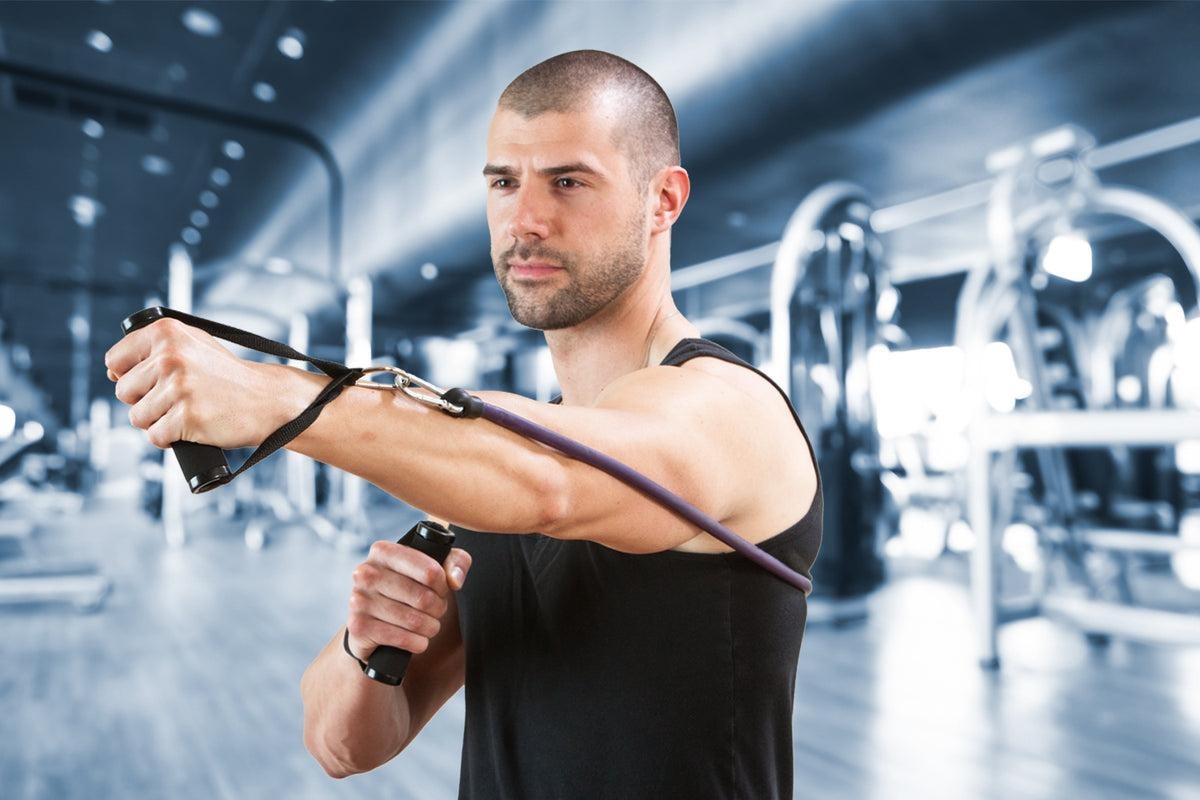
Strength training comes next, but keep it light. Use bodyweight exercises like wall sits or planks to rebuild stability around the injured area. For a knee tweak from squats, target your quads and glutes with modified lunges. Resistance bands are affordable and effective for home use, allowing you to gradually increase intensity. This isn’t about bulking up; it’s about restoring balance so you can return to the gym feeling confident. Tying this into weight loss, these sessions burn calories efficiently while preserving muscle mass, which is key for a healthy metabolism and effective treatment for athletic injuries.
The Mind-Body Connection: Mindfulness for Deeper Healing
Often overlooked in athletic injury recovery is the mental side. Stress from being benched can slow healing, but mindfulness techniques flip the script. Simple deep breathing exercises—inhale for four counts, hold, exhale for four—can reduce anxiety and promote relaxation, which in turn eases muscle tension. Meditation apps make this easy; even five minutes a day visualizing your body healing can shift your mindset.
Journaling about your progress fosters gratitude and tracks improvements, turning a setback into a growth opportunity. For me, incorporating mindful walks in nature helped me stay connected to my love for running without the pressure. These practices support emotional wellness, which is crucial for sticking to exercise and weight loss goals long-term. By addressing the mind, you’re not just treating the injury—you’re building resilience for life’s other curveballs, complementing professional care from trusted Mississauga chiropractors who emphasize holistic well-being.

Easing Back In: A Gradual, Empowered Return
The final piece of the puzzle is your comeback. Don’t dive straight into full-intensity workouts; start slow. For gym enthusiasts, begin with half your usual weights or shorter sessions. Runners might alternate walking and jogging intervals, building up over weeks. Monitor for swelling or discomfort, and celebrate small wins—like completing a pain-free mile.
This gradual approach prevents re-injury and reinforces healthy habits. Combine it with ongoing holistic elements: consistent nutrition, mindful movement, and rest. Over time, you’ll find your body not just healed, but optimized—perhaps even shedding those extra pounds as you regain momentum in your fitness routine.
Embracing the Journey: From Injury to Invigoration
Healing from an athletic injury doesn’t have to be a frustrating pause; it can be a profound chapter in your wellness story. By going beyond the ice pack and embracing nutrition, mindful movement, mental practices, and expert insights like care from trusted Mississauga chiropractors, you’re investing in a stronger, more balanced you. Whether it’s a gym mishap or a runner’s niggle, this holistic path for treatment for athletic injuries turns recovery into renewal. Listen to your body, nourish it well, and move with intention—you’ll emerge not just mended, but truly thriving. Remember, every step forward, no matter how small, is progress in your unique healing journey.
When Healing Becomes Whole Body Practice
Holistic injury treatment succeeds through addressing multiple healing factors simultaneously. Anti-inflammatory nutrition reduces systemic inflammation beyond the injury site. Protein intake provides amino acids for tissue repair. Omega-3 fatty acids support healthy inflammation resolution. Micronutrients including vitamin C, zinc, and collagen support connective tissue healing. Sleep optimization allows the deep recovery phases where actual repair happens. Stress reduction prevents cortisol from sabotaging healing timelines.
The mental and emotional components deserve equal attention to physical rehabilitation. Injury creates legitimate grief over lost abilities and disrupted training. The frustration of watching fitness decline during recovery affects motivation and compliance. Visualization practices keep neural pathways active even when movement cannot happen. The psychological support prevents the depression and anxiety that complicate physical recovery.
Athletic injuries heal faster and more completely when treated as whole-body events rather than isolated tissue damage. The ice pack plays its role in immediate care. The comprehensive approach determines whether athletes return stronger or simply patched together waiting to break again. Bodies want to heal. They simply need the complete support that fragmented treatment cannot provide. Sometimes the most effective medicine involves recognizing that the injury happened to a whole person rather than just a twisted ankle or strained muscle.