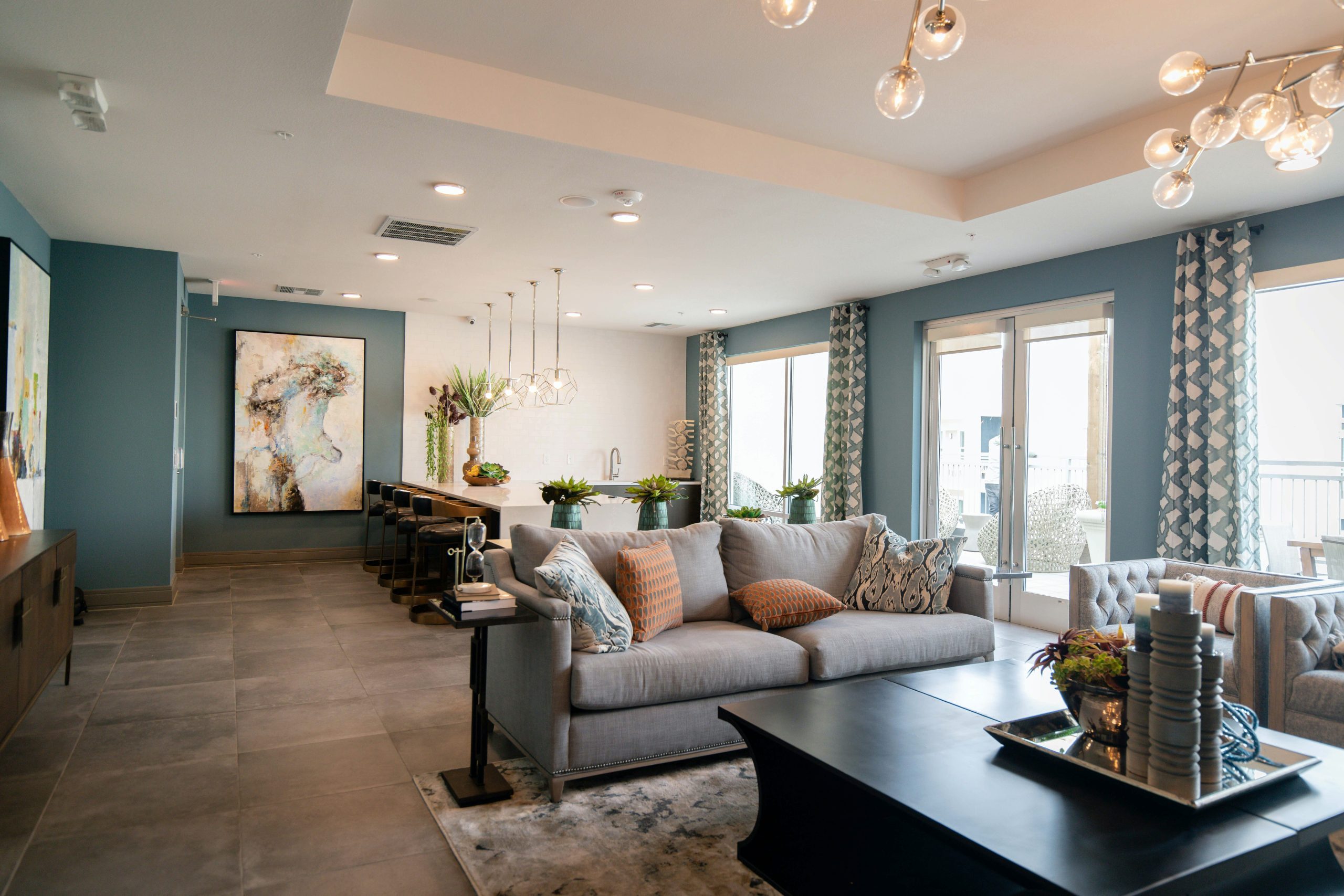
Creating a Home That Feels Welcoming from the Moment You Walk In

The feeling you get when you step through your front door matters more than you might think. After a long day, you want to walk into a space that feels calm, comfortable, and inviting. For guests, that first moment inside your home sets the tone for everything that follows. A welcoming home doesn’t come from expensive décor or perfect styling. It comes from thoughtful choices that make everyday living feel easier and more comfortable.
Many homeowners focus on interior spaces like living rooms and kitchens, but the experience of welcome begins much earlier. The entry point to your home plays a major role in how the space feels emotionally and physically. When your home is easy to enter, well-lit, and comfortable, it naturally feels more inviting. Small updates, especially near the front of the home, can make a big difference without requiring a full renovation.
By focusing on comfort, function, and flow, you can create a home that feels welcoming the moment you walk in.
Starting With an Entryway That Feels Secure and Inviting
Your front door is the first physical interaction you have with your home every day. If it sticks, let’s struggle with entryway issues that go unnoticed over time. Gaps around the door can allow cold air, heat, or noise to enter. Older doors may lack proper insulation, making your home less comfortable year-round. When these problems affect daily life, homeowners often turn to a trusted door installation company for help. Professional door services focus on improving energy efficiency, durability, and overall performance by offering well-built entry doors designed to handle daily use and changing weather conditions. With expert installation, a properly fitted door improves comfort, security, and the overall feel of your home from the very first step inside.
Once the entry point feels secure and welcoming, it becomes much easier to build warmth and comfort throughout the rest of the space.
Lighting Choices That Instantly Set the Mood
Lighting has a powerful effect on how a home feels when you walk in. Harsh overhead lights can feel cold and uninviting, while dim spaces can feel unwelcoming or unsafe. The right lighting strikes a balance between warmth and visibility.
Soft, warm lighting in the entryway helps create a calm transition from the outside world to your personal space. Wall sconces, table lamps, or warm-toned ceiling lights can make the area feel more relaxed. Good lighting also helps you move confidently through the space, especially during early mornings or late evenings.
When lighting feels intentional rather than harsh, your home immediately feels more comfortable.
Creating a Clear and Comfortable Entry Path
Clutter near the front door is one of the fastest ways to make a home feel unwelcoming. Shoes piled up, bags blocking walkways, or furniture placed too close to the door can make entry feel cramped and stressful.
A clear path allows you and your guests to move easily into the home. This doesn’t require a large entryway, just thoughtful placement of furniture and belongings. Keeping walkways open improves flow and makes the space feel larger and more inviting.
When you don’t have to navigate obstacles, your home feels calmer from the moment you enter.
Using Color and Texture to Add Warmth
Color and texture play a quiet but important role in creating a welcoming atmosphere. Neutral tones, soft finishes, and natural materials tend to feel calming and comfortable. You don’t need bold colors to make a space feel warm.
Simple choices like soft wall colors, textured rugs, or natural wood accents can add depth without overwhelming the space. These elements make your home feel lived-in and inviting rather than cold or overly styled.
Warmth comes from balance, not excess.
Thoughtful Storage That Keeps the Space Organized
Organization plays a major role in how welcoming your home feels. When items are scattered or stacked near the entrance, the space can feel chaotic even if the rest of the home is tidy.
Thoughtful storage solutions help maintain order. Hooks for coats, a small bench with storage, or a designated place for shoes keep everything contained. When your entryway stays organized, it feels easier to maintain and more pleasant to use.
An organized space signals comfort and care, which contributes to a welcoming environment.
Flooring That Supports Comfort and Cleanliness
The flooring near your entry takes more wear than almost any other area of your home. Dirt, moisture, and foot traffic can quickly make the space feel messy or worn if it’s not properly supported.
Durable flooring and simple mats help protect the space while adding comfort. A well-placed rug can soften the area, reduce noise, and improve safety by preventing slips. Flooring that’s easy to clean also makes daily maintenance less stressful.
When the entryway feels clean and stable, it sets a positive tone for the rest of the home.
Personal Touches That Make a Home Feel Lived-In
A welcoming home feels personal, not staged. Small touches like family photos, meaningful artwork, or favorite décor pieces help tell your story without overwhelming the space.
The key is moderation. A few thoughtfully chosen items make the space feel warm and inviting, while too many can feel cluttered. When personal items are placed with intention, they add character and comfort.
Your home should reflect who you are, starting right at the door.
Maintaining a Welcoming Atmosphere Over Time
Creating a welcoming home isn’t a one-time project. It’s the result of small habits and regular upkeep. Keeping the entryway clean, replacing worn items, and making small updates as needed helps preserve comfort over time.
You don’t need perfection. A home feels welcoming when it feels cared for. Consistent attention to the basics, lighting, organization, and comfort goes a long way.
When maintenance becomes part of your routine, your home continues to feel inviting day after day.
Welcome Yourself Home Every Single Day
Welcoming homes create immediate positive impressions through specific intentional elements. The entry stays clear of clutter through designated storage for shoes, bags, and coats. The lighting feels warm rather than harsh through lamps or dimmers replacing overhead brightness. Pleasant scents from candles or diffusers signal care and attention. Personal touches including art, photos, or plants add character without creating visual chaos. These details combine into an atmosphere that embraces rather than overwhelms.
The transformation happens through consistent maintenance as much as initial setup. The daily reset that returns the entry to baseline order matters enormously. The weekly refresh that keeps surfaces clean and scents pleasant makes ongoing difference. The seasonal updates that reflect changing light and temperatures maintain freshness. These habits preserve the welcoming quality rather than letting it deteriorate into the chaos that accumulates naturally without attention.
Homes that feel welcoming from the moment you walk in don’t happen accidentally. They emerge through conscious choices about what greets people at the threshold. The entry sets expectations for everything beyond it. The care put into this space communicates values about home as sanctuary rather than just storage for belongings. Sometimes the most important room deserves to be the one everyone experiences first and last every single day. The welcome mat works better when the space beyond it actually delivers on the promise.