Can Winter Gardening Actually Boost Your Mood?
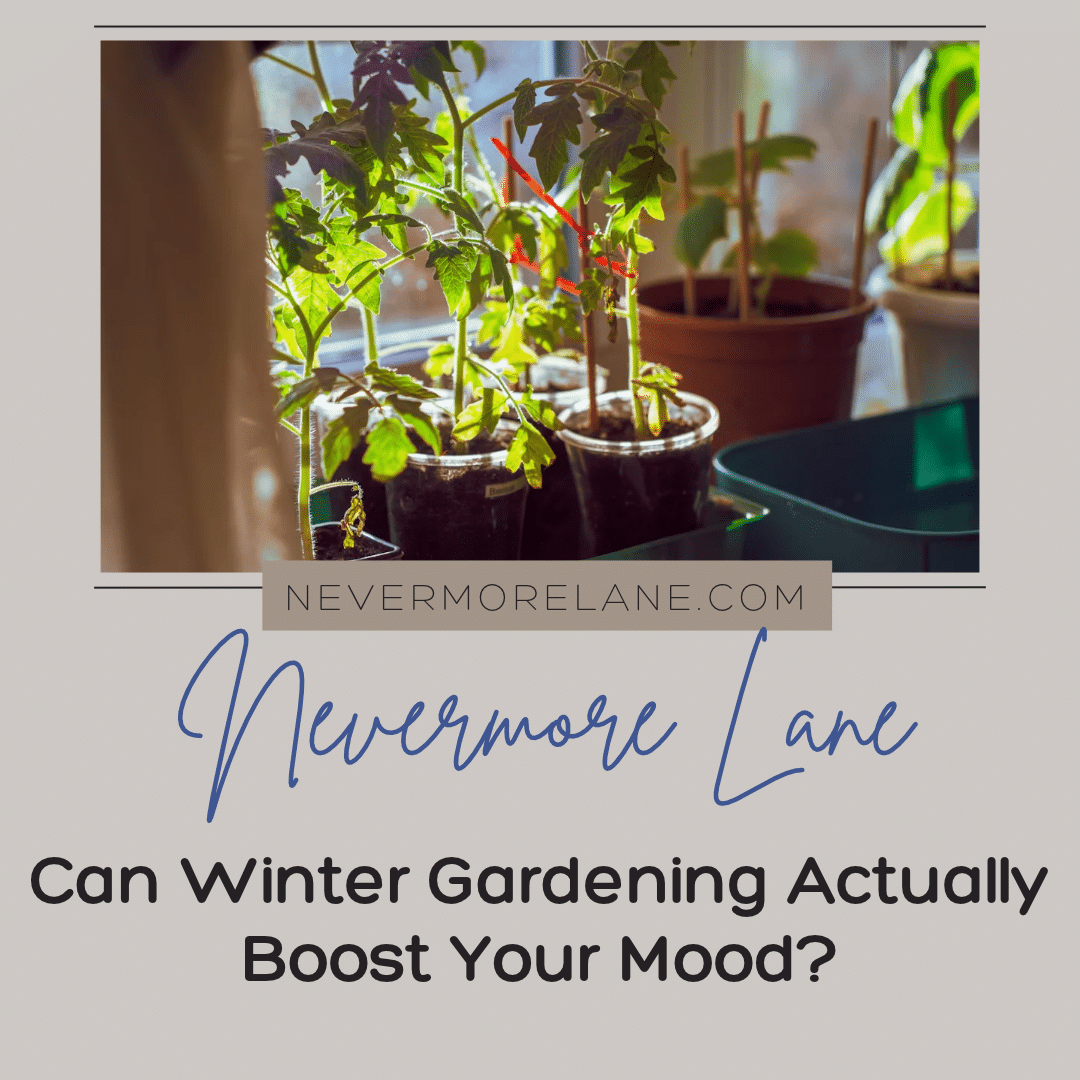
Winter gardening can add structure, color and a welcome sense of progress to the darker months. Although caring for plants can’t replace professional support for persistent low mood, it can make an ordinary winter day feel more purposeful.
You get a small task to complete, something green to look at and, in many cases, fresh herbs for dinner. The setup can be as simple as a sunny windowsill or as involved as a compact indoor growing system.
Beating the Cold Season Slump
Short days can disrupt familiar routines, especially when cold weather limits time outdoors. A gardening habit gives you a reason to move, check on living plants and pay attention to gradual changes. The task may take only 10 minutes, but that regular activity can help separate one gray day from the next.
The Green Bay Botanical Garden highlights several ways gardens support mental health, including sensory engagement, movement and connection with nature. You can bring some of those benefits indoors by placing a few edible plants where you’ll see them every day.
Try attaching plant care to an existing routine. Check moisture after breakfast, rotate containers every Sunday and trim herbs before cooking. If outdoor space is available, spend a few minutes planning spring containers or clearing fallen debris on a mild afternoon. This guide to enjoying your garden all year round offers practical ideas for keeping outdoor areas useful beyond summer.
The Calming Effect of Tending Plants
Plant care asks for gentle attention. You notice whether a leaf has changed color, test the growing medium and look for new shoots. That focus can provide a useful break from screens, news alerts and unfinished household jobs.
The University of Vermont Extension recommends using plants for winter blues and also discusses the value of light, greenery and routine during the colder season. Make the habit manageable by starting with two or three plants that share similar needs. A collection of demanding varieties can quickly turn a calming activity into another crowded to-do list.
Set aside a small care station with scissors, a measuring cup and a cloth for wiping leaves or spills. Keeping supplies together removes friction when you have limited energy. Spend five minutes checking the plants without expecting dramatic growth each day. A new basil leaf or a healthy cluster of roots can offer a concrete sign of progress during a season when many other changes feel slow.
Set Up a Year-Round Hydroponic Garden
An indoor hydroponic garden can suit people who lack outdoor space or don’t want bags of soil inside the house. Plants grow with nutrient-rich water, while a light provides consistent exposure when winter sunshine is weak. Compact systems can fit on a kitchen counter, shelf or utility cart.
Choose a location near an electrical outlet with enough room above the unit for plants to grow. A basic LED grow light usually stays on for a scheduled block each day, though the ideal duration depends on the crop and equipment. Use a timer so the plants receive a steady light-dark cycle without daily adjustments.
Check the water level several times a week and follow the nutrient directions for your particular system. More plant food won’t produce healthier growth and may damage roots. Clean the reservoir between crops to limit algae and residue. If you’re new to soilless growing, begin with three or four herb plants. That small scale makes it easier to spot changes, learn the routine and avoid harvesting more than you can use.
Best Herbs for Winter Harvesting
Leafy herbs work well indoors because you can harvest small amounts repeatedly. Basil is a popular choice for bright light and warm rooms. Pinch it just above a pair of leaves to encourage branching, then use the cuttings in pasta, soup or sandwiches.
Mint grows quickly and tolerates frequent trimming. Its vigorous roots can crowd nearby plants, so give it a separate container or growing pod when possible. Parsley usually takes longer to germinate, but established plants provide useful harvests for sauces, grain bowls and roasted vegetables. Chives are another practical option because their narrow leaves take up little room.
Cilantro prefers cooler conditions and may produce flowers quickly in a warm kitchen. Sow a small batch every two or three weeks if you use it often. For any herb, harvest no more than about one-third of the plant at once so enough foliage remains for continued growth.
Watch the plant’s shape as well as its height. Pale, stretched stems often signal inadequate light. Move the light closer according to its manufacturer’s guidance, rotate windowsill pots regularly and remove damaged leaves with clean scissors.
Winter gardening works best when it becomes a pleasant part of the room instead of a demanding project. Place your herbs where their greenery is easy to enjoy, and their leaves are easy to reach. On a cold evening, clipping a few fresh chives for dinner may be the small, satisfying moment the day needed.
Image Credit: Unsplash