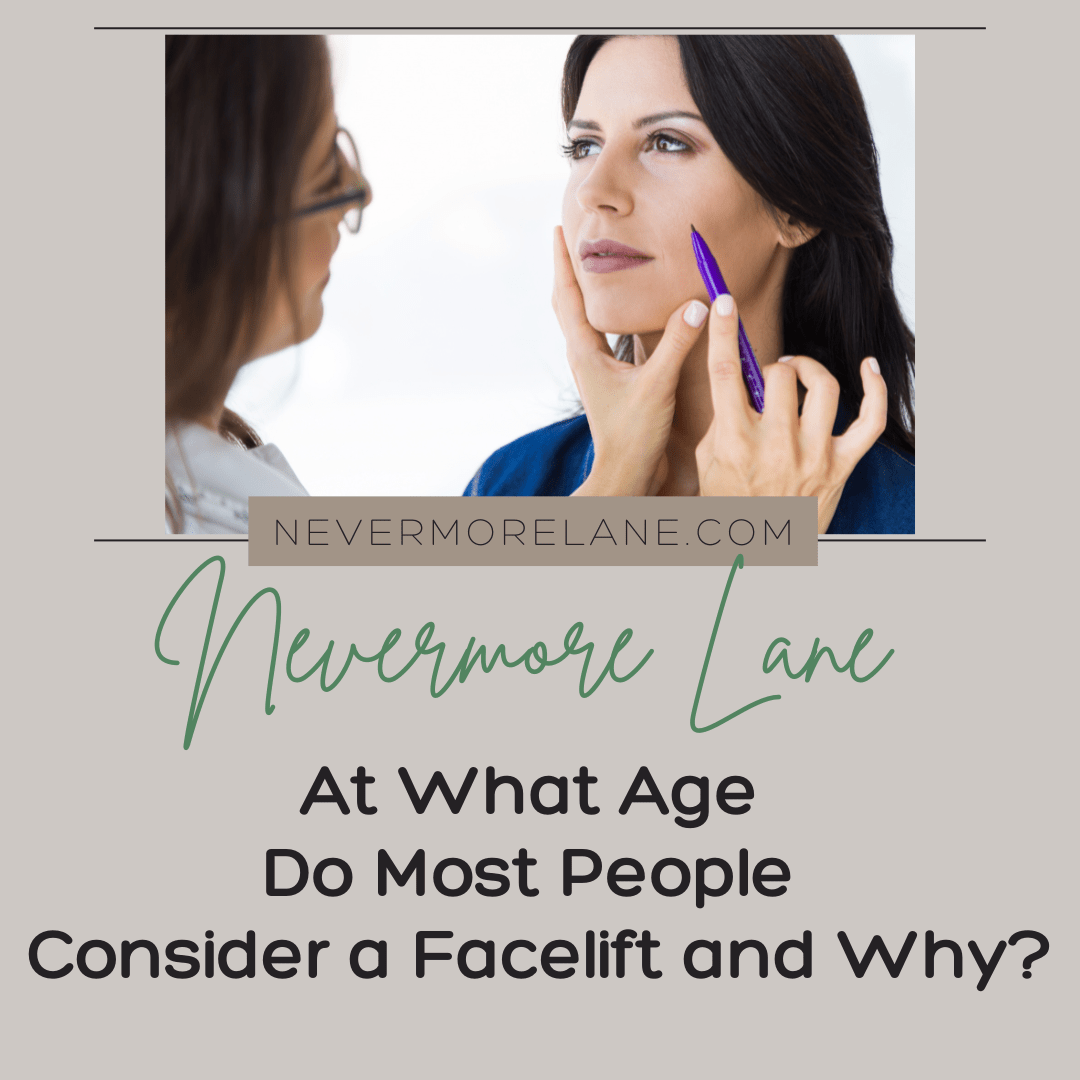
At What Age Do Most People Consider a Facelift and Why?
There’s a moment when the mirror starts telling a slightly different story. It might be softer jawlines, deeper folds around the mouth, or that tired look that no amount of sleep seems to fix. For many people, these changes don’t appear all at once. They show up gradually, almost quietly, until one day you realize your face doesn’t quite match how energetic or youthful you still feel inside.
In places like Bend, Oregon, and other cities where outdoor lifestyles and active routines are part of everyday life, that contrast can feel even more noticeable. People remain physically active well into their 40s, 50s, and beyond, so when facial aging becomes more noticeable, it often prompts interest in longer-term solutions. And that’s usually when the question comes up: Is it too early—or too late—to think about a facelift?
Understanding when and why people typically consider facelifts reveals broader cultural tensions around aging, appearance, and the pressure to maintain youthful looks in societies that devalue visible age despite celebrating longevity. The personal decision about whether and when to pursue facial surgery involves navigating medical realities, financial investment, recovery requirements, and deeply personal feelings about natural aging versus intervention
Early 40s: The Subtle Shift Begins
For some people, the conversation starts in their early 40s. Not because aging is dramatic at that point, but because it becomes noticeable in small ways. A little sagging near the jawline. Faint lines that don’t disappear after a good night’s sleep. Makeup sits differently than it used to.
At this stage, most people aren’t ready for a full facelift. They’re simply more aware of their appearance. Some explore skincare, injectables, or non-surgical tightening treatments. Others start researching surgical options, not to act immediately, but to understand what the future might look like.
From experience, this is often the age when people begin thinking long-term. They want natural results, not drastic changes, and they’re curious about timing more than anything else.
Late 40s to Mid-50s: The Most Common Turning Point
This is the age range in which the majority of facelift consultations occur. Skin elasticity decreases, the jawline loses its sharpness, and deeper folds form around the nose and mouth. These changes are hard to reverse with creams or minor treatments alone.
In this phase, people usually aren’t chasing perfection. They just want to look more like themselves again, a little more rested and a little more defined. During consultations for a facelift in Bend, Oregon with Dr. Nick Vial, many patients in their late 40s or early 50s describe a similar feeling. They still feel energetic and confident, but their reflection appears slightly out of sync with their daily experience.
As the face ages, two primary changes typically occur: loss of volume and skin sagging. A modern facelift addresses both by carefully removing excess skin while restoring volume where it’s needed. The goal isn’t to change someone’s appearance, but to bring back their natural, original beauty.
Late 50s: When Changes Become Harder to Ignore
By the late 50s, facial aging often becomes more pronounced. Skin laxity increases, jowls may form, and volume loss in the cheeks creates a heavier lower face. At this point, many people feel that non-surgical treatments no longer provide the results they want.
What’s interesting is that patients in this age group often feel more confident about the decision. They’ve had time to think about it. They’ve tried other treatments. They know what they want.
Instead of asking if they should consider a facelift, they’re usually asking when the right time might be.
60s and Beyond: Focus on Restoration, Not Just Rejuvenation
In their 60s and 70s, patients often seek more comprehensive facial rejuvenation. The goal shifts slightly—from subtle refinement to restoring structure and balance.
Skin laxity tends to be more advanced, and volume loss becomes more noticeable around the cheeks, temples, and jawline. Many people in this age group combine a facelift with other procedures, such as eyelid surgery or fat grafting, to achieve more harmonious results.
Interestingly, recovery is often easier than expected. Many patients in their 60s are active, healthy, and surprised by how manageable the process feels.
Why Timing Matters More Than Age
One of the biggest misconceptions about facelifts is that there’s a “right age” to have one. In reality, it’s less about age and more about anatomy, skin quality, and personal goals.
Some people in their early 40s may show signs of aging similar to someone in their 50s. Others maintain firm skin well into their late 50s. Genetics, sun exposure, weight changes, and lifestyle habits all play a role.
In practice, surgeons tend to focus on facial structure rather than dates of birth. The question isn’t “How old are you?” It’s “What changes are bothering you, and how can we address them naturally?”
Making Informed Decisions About Facial Surgery
Facelift consideration becomes appropriate when realistic expectations align with surgical capabilities, recovery commitment, and honest assessment of motivations driving the desire for intervention. Surgery cannot restore youth or solve problems unrelated to facial appearance, and dissatisfaction with aging faces sometimes masks deeper issues that scalpels cannot address. The best surgical candidates understand what procedures can and cannot achieve, accept recovery periods requiring weeks away from normal activities, and pursue surgery for personal satisfaction rather than external pressure or relationship preservation.
That principle also applies to people considering procedures beyond age-related rejuvenation, including those exploring surgery to bring certain facial features into better alignment with their identity or aesthetic goals. This can include transgender patients, nonbinary individuals, and cisgender women who feel features such as the brow, jaw, or chin appear stronger or more angular than they would like. In every case, the most thoughtful approach begins with clear expectations, careful planning, and a surgeon who understands that facial surgery should support the individual rather than impose a standardised ideal.
Long-term satisfaction with facelift results depends on choosing skilled surgeons, following post-operative protocols carefully, and understanding that surgery stops time temporarily but doesn’t prevent continued aging requiring maintenance procedures or eventual acceptance of natural processes. The investment in facial surgery proves worthwhile for some people while others regret decisions made during moments of insecurity or external pressure. Age matters less than readiness, realistic expectations, and genuine personal desire for surgical intervention rather than attempting to meet others’ expectations or societal beauty standards.
Facelift consideration ultimately represents a deeply personal decision that nobody else can make for individuals weighing visible aging against surgical risks, recovery demands, and financial investment required. The age at which people pursue facelifts matters less than the readiness, research, and realistic expectations they bring to decisions about whether surgical intervention serves their wellbeing or represents misguided attempts to stop natural processes that acceptance might address more sustainably. Choose surgery if it genuinely serves personal happiness, but question whether dissatisfaction with aging really demands surgical correction or whether shifting perspectives about aging and beauty might provide more lasting peace than procedures promising temporary restoration.
Weighing Facelift Timing Against Personal Readiness
Most people consider a facelift somewhere between their mid-40s and late 50s, but that range is only a rough guideline. Facial aging doesn’t follow a strict schedule, and neither do personal decisions about cosmetic procedures. The right time isn’t defined by a number. It’s defined by your goals, your lifestyle, and how you want to feel in your own skin. Either way, the decision is more about readiness than age.