After (almost) Two Years on Tirzepatide: My Journey to Semaglutide
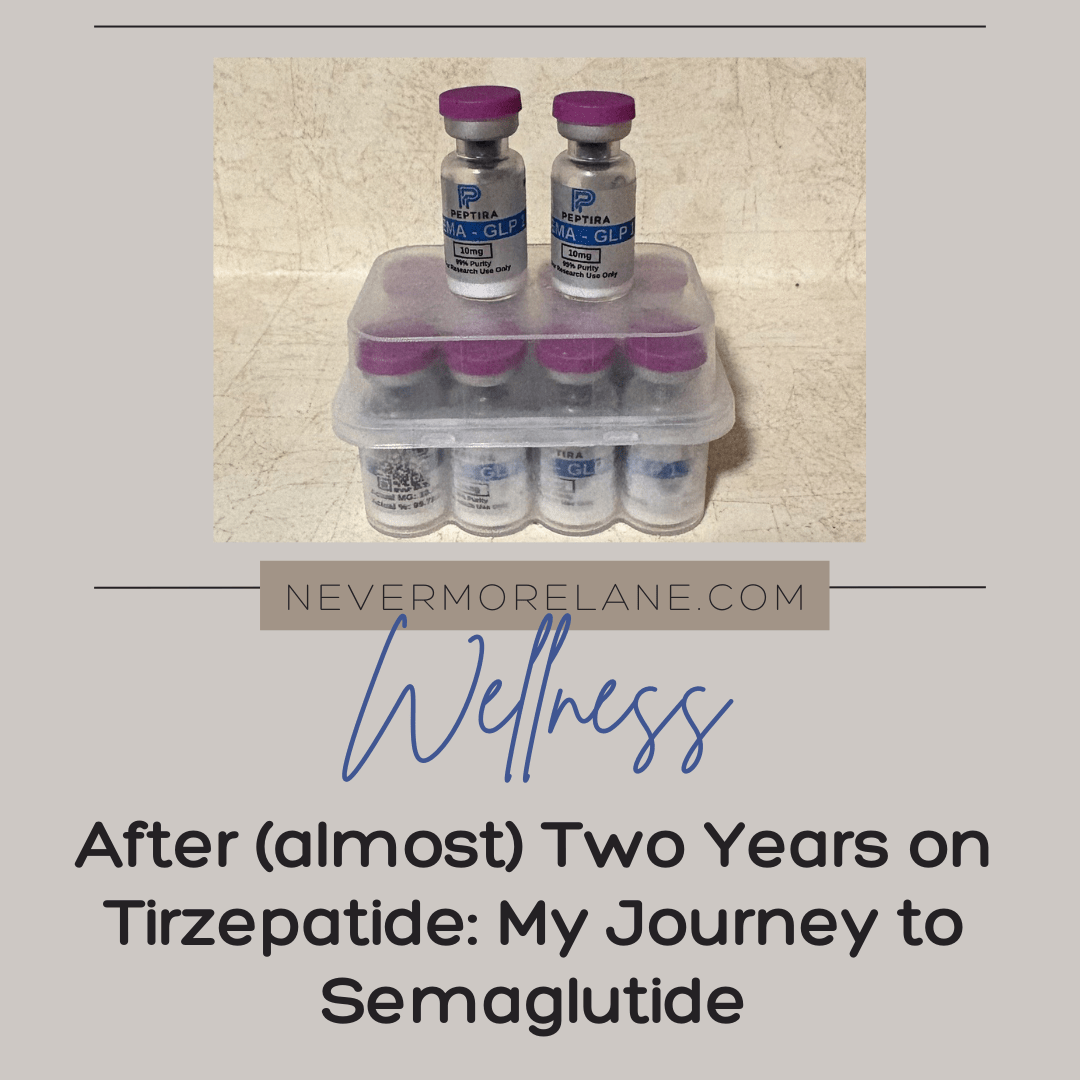
The letter showed up in my right before the first of the year – We will no longer be covering GLP-1 medication for weight loss only. I do have other reasons why I am on a GLP-1 medication, but those comorbidities may not be enough for my insurance to approve the medication despite what my doctor says. I read it three times, hoping the words would somehow rearrange themselves into a different message.
After nearly two years of success with (Zepbound) tirzepatide, watching my relationship with food transform and my health markers improve beyond what I thought possible, my insurance company decided this medication was no longer something they could continue to cover. The financial math was brutal and immediate. Continuing tirzepatide out of pocket would cost more per month than all of my monthly expenses combined. Semaglutide, while still an investment, came in at a fraction of the price through a compounding pharmacy. The decision made itself, but that did not make it feel any less like a forced goodbye to something that had genuinely changed my life.
My twenty-two months on tirzepatide were marked by steady progress, minimal side effects after the initial adjustment period, and a freedom from food obsession I had never experienced. I lost weight fairly consistently, yes, but more importantly, I stopped thinking about my next meal constantly. The mental silence around food felt almost miraculous after decades of dieting, restriction, and the inevitable rebound that followed every attempt at weight loss. When faced with switching medications, my first emotion was not gratitude for having another option but grief over losing what worked. I worried that semaglutide would not be as effective, that I would regain weight during the transition, that all my progress would somehow evaporate because of an insurance decision beyond my control.
What I discovered through this transition surprised me in the best possible ways. The switch from tirzepatide to semaglutide taught me that sustainable health is not about finding one perfect solution but about adapting, learning, and trusting your ability to navigate change. This is my honest account of that journey: the preparation, the physical experience, the emotional challenges, and the practical strategies that made the transition successful. If you are facing a similar medication change, whether by choice or necessity, I hope my experience provides both reassurance and actionable guidance for your own path forward.
The Decision and Preparation Phase
The week between receiving my denial letter and making the switch felt suspended in time. I spent hours researching the differences between tirzepatide and semaglutide, reading clinical studies, scrolling through online communities, and trying to predict how my body would respond. The scientific literature told me that both medications were GLP-1 receptor agonists, that both had strong efficacy data, and that people successfully lost weight on either option. The personal accounts I found online were more varied. Some people loved semaglutide and reported excellent results. Others missed tirzepatide desperately and counted down the days until they could afford to switch back. I tried not to let the mixed reviews spiral me into anxiety.
My healthcare provider became an invaluable partner during this decision-making process. We discussed my specific health goals, reviewed my progress on tirzepatide, and created a transition plan tailored to my situation. She explained that because I had been on a relatively high maintenance dose of tirzepatide, we would not start semaglutide at the lowest introductory dose but rather at a moderate level that would maintain therapeutic effect while minimizing the adjustment period. This personalized approach made me feel less like I was starting over and more like I was shifting to a different tool in the same toolbox. She also prepared me for the possibility of experiencing different side effects, temporary changes in appetite levels, and the need for patience as my body adapted.
I used this preparation week to gather practical supplies and information. I researched compounding pharmacies extensively, reading reviews and confirming proper licensing and accreditation before placing my order. I stocked my refrigerator with the protein-rich, easily digestible foods that had served me well during my initial tirzepatide adjustment period. I updated my food journal to establish a clear baseline of my current eating patterns, hunger levels, and daily routines. Most importantly, I worked on my mindset, reminding myself repeatedly that this transition was not a setback but simply the next chapter. The progress I made over two years on tirzepatide belonged to me, not to the medication. My changed habits, my nutritional knowledge, and my commitment to my health would carry forward regardless of which GLP-1 medication I used.
The First Month on Semaglutide
My first semaglutide injection happened exactly one week after my final tirzepatide dose. I had read that waiting about seven days allowed the tirzepatide to clear my system and reduced the risk of overlapping side effects. That week off medication felt strange and slightly vulnerable. I noticed my appetite returning more strongly than it had been in months, though not to pre-medication levels. The food noise crept back in, those constant thoughts about what to eat next, whether I was really hungry, and mental negotiations about snack choices. It was not overwhelming, but it reminded me how much the medication had been doing behind the scenes.
The first two weeks on semaglutide brought a mix of familiar and new experiences. Nausea returned, though milder than I remembered from my tirzepatide start nearly two years earlier. I managed it with small, frequent meals and my tried-and-true strategies of ginger tea and staying upright after eating. The appetite suppression kicked in within days, which relieved my worry that semaglutide would not work as effectively. The sensation felt slightly different from tirzepatide, though I struggled to articulate exactly how. Food simply became less interesting, less urgent. I found myself forgetting about lunch until mid-afternoon, needing reminders to eat dinner, and stopping after just a few bites because I felt satisfied.
What surprised me most during this initial month was the emotional adjustment. I had not realized how much my identity had become tied to being someone who took tirzepatide specifically. Switching medications felt like admitting defeat somehow, even though logically I knew insurance coverage had nothing to do with my worthiness or success. I worked through these feelings in my journal, in conversations with understanding friends, and by focusing on the evidence in front of me. My body was responding well to semaglutide. I was maintaining my weight loss. My healthy habits remained intact. The medication name on the pen mattered far less than I had feared.
Comparing the Two Medications in Real Life
After a few months on semaglutide, I could identify genuine differences in how each medication affected me personally. Tirzepatide had created a stronger, more constant sense of fullness. With semaglutide, I noticed my appetite fluctuated slightly more throughout the week, with some days bringing stronger hunger signals than others. This variation actually helped me tune in more carefully to true hunger versus habit or emotional eating. I became more intentional about eating rather than relying entirely on the medication to regulate my intake. Some people might experience this as a negative, but I found it oddly empowering.
The side effect profiles differed in subtle ways for me. On tirzepatide, I occasionally dealt with acid reflux and needed to be careful about lying down too soon after meals. Semaglutide brought less reflux but slightly more constipation, which I managed through increased water intake, magnesium supplements, and daily use of a vibration plate. Neither medication was perfect, but both were manageable with the right strategies. I also noticed that semaglutide seemed to affect my energy differently. Semaglutide had given me steady, consistent energy throughout the day. Tirzepatide’s energy felt slightly more variable, especially with higher doses, with occasional afternoon dips that responded well to protein-rich snacks and brief walks.
Weight loss patterns shifted as I transitioned to semaglutide, and so did my goals. Rather than chasing the steady two to three pound monthly losses (I did not have much to lose) I had experienced on Zepbound, I arrived at a new intention: maintenance. Semaglutide has proven to be a capable partner in this phase, helping me hold my progress without the pressure of an active losing mindset. The scale still moves from week to week — that is simply the nature of the body — but I no longer measure success by the direction of those fluctuations. I measure it by stability. Zooming out to look at monthly patterns rather than daily numbers has made all the difference, and what I see there is exactly what I hoped for: a body that has found its equilibrium and is learning to stay there.
Strategies That Made the Transition Successful
Documentation proved invaluable throughout this transition. I tracked not just my weight but also my daily hunger levels on a scale of one to ten, any side effects I experienced, my energy patterns, my water intake, and brief notes about my emotional state. This data removed the guesswork and emotional interpretation from my assessment of how semaglutide was working. When I felt discouraged, I could look back at my journal and see objective evidence of progress. When I wondered if a side effect was worsening or improving, my notes provided the answer. This practice transformed my transition from a confusing, emotional experience into something I could analyze and adjust systematically.
Maintaining my established routines created continuity that anchored me during the change. I kept my meal timing consistent, continued my workout schedule without alteration, and stuck with the protein-focused eating approach that had served me well on tirzepatide. These familiar patterns provided stability while my body adjusted to the new medication. I did not try to optimize everything at once or implement dramatic changes alongside the medication switch. The transition itself was enough change for my system to handle. Once I felt settled on semaglutide after about six weeks, I began experimenting with small refinements to my routine.
Community support made a significant difference in my experience. I connected with online groups specifically for people using semaglutide and found immediate validation and practical advice. Hearing from others who had made similar transitions, or who had always used semaglutide successfully, normalized my experience and provided hope during moments of doubt. I also leaned on friends who understood my health journey, even if they were not using GLP-1 medications themselves. Simply having people who would listen without judgment as I processed my feelings about the insurance situation, the medication change, and my ongoing health goals provided emotional support that complemented all the practical strategies.
What I Wish I Had Known Before Switching
If I could go back and advise myself at the beginning of this transition, I would emphasize patience above all else. I expected to have the transition figured out within two weeks, but the reality was that my body needed time to fully adjust to semaglutide and for me to understand its unique effects. Rushing to conclusions based on the first few weeks would have led to unnecessary anxiety and potentially premature decisions about dosage adjustments or other changes. Giving the medication adequate time to work and my body adequate time to adapt was essential.
I would also tell my earlier self that different does not mean worse. The subtle variations in how semaglutide affected my appetite, energy, and weight loss compared to tirzepatide were just that: variations, not downgrades. I wasted emotional energy mourning what I had lost with tirzepatide when I could have been celebrating what I was gaining with semaglutide. Both medications are effective tools. Both have helped millions of people transform their health. The specific medication matters less than the commitment to using it consistently and supporting it with healthy lifestyle choices.
Finally, I wish I had trusted myself more from the beginning. I had successfully navigated nearly two years on tirzepatide, building knowledge, resilience, and self-awareness along the way. Those capabilities did not disappear when I switched medications. I knew how to eat in ways that supported my health. I understood the importance of movement, sleep, and stress management. I had developed the mental fortitude to persist through plateaus and challenges. All of that transferred seamlessly to my semaglutide journey. The medication changed, but the person using it, the person who had already proven capable of transformation, remained constant.
Moving Forward with Confidence
Now that I am into my semaglutide journey, I can honestly say the transition anxiety I felt in those early weeks seems almost laughable now. Semaglutide works beautifully for me. My weight continues to stabilize. My relationship with food remains peaceful and intentional. My energy supports an active, fulfilling life. The insurance decision that felt like a devastating setback turned into an opportunity to prove to myself that my success was never about one specific medication but about my commitment to my health and my willingness to adapt when circumstances changed.
This experience taught me profound lessons about flexibility and resilience that extend far beyond medication choices. Life will always present unexpected changes, many of them outside our control. Jobs end, relationships shift, health conditions evolve, and external circumstances force adaptations we did not choose. The question is never whether change will happen but rather how we respond when it does. Do we collapse in defeat, assuming that any deviation from our perfect plan means failure? Or do we gather information, make thoughtful adjustments, and trust our ability to navigate new territory successfully? My medication transition became practice for this larger life skill.
I continue moving forward with semaglutide as my partner in health, grateful for what it provides and realistic about its limitations. The medication is a tool, a powerful one certainly, but still just one element in the larger ecosystem of choices that create sustainable health. My nutrition, movement, sleep, stress management, and mental approach all contribute equally to my results. The integration of all these elements, with semaglutide supporting rather than replacing my efforts, has created transformation that feels both significant and sustainable. This journey is far from over, but I walk it now with confidence born from successfully navigating uncertainty.
Have you experienced a medication transition on your health journey? I would love to hear your story and what helped you through the change. Join me for coffee in the comments below and let’s share our experiences. For more honest insights on wellness, weight management, and creating a magical life, explore the other posts here at Nevermore Lane.
Like what you read? Drop me a line – let’s chat over virtual coffee.
~ Chrystal
DISCLOSURE
Nevermore Lane participates in the Amazon Services LLC Associates Program, Magic Link, Google Adsense, and other affiliate & advertising programs designed to provide a means for sites to earn advertising fees by advertising and linking to merchants.
This post contains affiliate links. That means we earn a few cents if you click the link and make a sale. (Thank you, by the way!)