A Practical Top-First Wardrobe Plan for Work, Weekends, and Travel
Key Takeaways
- Choose tops for the life you live now, not an imaginary future schedule.
- Create variety through silhouette, fabric, neckline, sleeve length, and hem length.
- Use the bottoms and layers you already wear as a guide before purchasing anything new.
- Test fit while sitting, reaching, walking, and layering.
- Build repeatable outfit formulas for workdays, weekends, travel, and social plans.
A useful wardrobe starts with the pieces that do the most daily work. Tops can change the tone of familiar jeans, trousers, skirts, and layers, helping one pair of bottoms feel casual, polished, relaxed, or ready for an evening out. Planning around tops first can make getting dressed simpler without requiring a complete closet reset. For shoppers comparing lengths, sleeves, and silhouettes, the womens tops sizes 8-30 category from Torrid, a plus-size fashion retailer serving shoppers across the United States, is helpful. Its top collection includes categories such as tees, tanks, blouses, sweaters, cardigans, tunics, and hoodies, making it a practical place to compare pieces that suit different routines.
Start With the Life You Actually Live
Before shopping, think about where your week really happens. A wardrobe for office days may need polished blouses and easy layers, while a remote-work routine may call for soft knits that still look put together on video. Weekends, travel, outdoor time, dinners, and changing temperatures all create different needs.
A Simple Wardrobe Audit
- List the places you visit most often.
- Set aside the jeans, trousers, skirts, and shorts you wear every week.
- Notice which tops you repeatedly reach for and why.
- Identify gaps in comfort, coverage, color, length, or formality.
- Let go of pieces that no longer suit your routine or feel good to wear.
Build a Useful Mix of Top Silhouettes
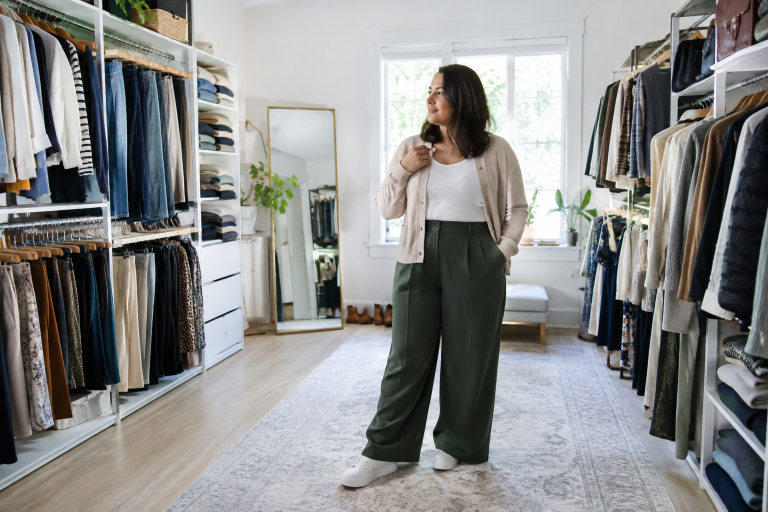
There is no single correct top shape. The best option depends on how you like clothes to feel, what you wear on the bottom, and whether you plan to layer. A fitted tee or knit can sit smoothly beneath a cardigan, blazer, or overshirt, while a relaxed style can provide ease and movement. Waist-length and cropped tops work especially well with high-rise jeans, trousers, wide-leg pants, and skirts. Cropped does not have to mean showing skin. It can simply mean that the hem finishes around the waistband. Longer tops and tunics can pair nicely with slim, straight, or tapered pants.
Check where the hem falls across the hips, as well as side slits and curved hems, because these details affect movement and proportion. Choose tops by fabric and function. Fabric influences comfort, structure, care needs, and seasonal usefulness. Cotton and cotton blends are often easy, everyday options. Knit fabrics can offer softness and stretch, while woven fabrics can create a cleaner, more structured appearance. Lightweight layers are useful in warm or unpredictable weather, and heavier knits can stand on their own in cooler conditions. Before committing to a top, inspect the opacity, wrinkle resistance, stretch recovery, and care instructions on most textile clothing to help you decide whether a piece fits your laundry habits and won’t become a neglected closet item.
Use Necklines and Sleeves to Add Variety
A simple color palette does not have to look repetitive. Necklines and sleeves create visual variation even when several tops are black, navy, cream, or another dependable neutral.
- Round necks: Easy to layer beneath cardigans and jackets.
- V-necks and scoop necks: Create a more open neckline.
- Collars: Add structure for professional or polished casual outfits.
- Higher necklines: Offer added coverage and work well in cooler weather.
- Short, three-quarter, and long sleeves: Provide options for changing temperatures.
- Sleeveless and adjustable sleeves: Make practical travel and warm-weather layers.
Match Top Lengths With Bottom Shapes
Think in terms of balance rather than strict rules. With wide-leg pants, a shorter, tucked, semi-fitted, or softly structured top can create definition. A relaxed top can also work if a front tuck, a shaped hem, or a lighter fabric prevents the outfit from feeling bulky. With straight or slim pants, longer blouses, tunics, and flowing layers can balance the streamlined lower half. Fuller skirts often pair well with tucked or waist-length tops, while straight skirts can work with a clean blouse or a longer layer. For jeans, try a textured knit with relaxed denim for casual plans, or a blouse with dark-wash denim for a more polished look.
Create a Small Rotation for Work, Weekends, and Travel
Work and Professional Days
- One or two polished blouses
- A simple knit top or shell
- A collared shirt or structured style
- A cardigan, blazer, or lightweight jacket
Weekends and Casual Plans
- Comfortable tees and tanks
- Relaxed knit tops
- A graphic or printed option
- A soft sweatshirt, hoodie, or overshirt
Travel and Changing Temperatures
- Wrinkle-friendly layers
- A versatile long-sleeve top
- A neutral base layer that works with multiple bottoms
- One polished option for dinners or events
Use a Three-Outfit Test Before Buying
Choose a top you are considering, then style it with at least three bottoms you already own. Add realistic shoes and outer layers, and ask whether each combination suits a different setting. A top does not need to match everything, but it should create enough useful outfits to earn space in your wardrobe.
Check Fit While Moving and Layering
Do not judge fit only while standing still. Raise both arms, reach forward, sit down, turn side to side, and check for pulling across the bust, shoulders, and back. Try the top with the bra or base layer you normally wear, then add a cardigan, jacket, or coat. Comfortable movement matters as much as how a top looks in a mirror.
Build Repeatable Outfit Formulas
- Tunic with straight-leg pants
- Waist-length top with high-rise wide-leg trousers
- Blouse with dark denim
- Tank with an open cardigan
- Graphic tee with a blazer
- Printed top with neutral bottoms
- Lightweight knit with a midi skirt
- Button-up shirt worn open over a simple base layer
Shop With More Intention
Pause before buying a sale item or trend piece that works with only one outfit. A thoughtful purchase should fit your current lifestyle, feel comfortable through a normal day, and coordinate with clothes you already enjoy wearing. Repeating a successful formula is practical, not boring. Different colors, shoes, jewelry, and layers can make the same formula feel fresh.
Common Questions About Choosing Tops
How many tops does a person need?
The answer depends on laundry habits, climate, work schedule, and social plans. Focus on covering your actual activities rather than aiming for a specific number.
Should every top be neutral?
No. Neutral colors make mixing easier, while prints and brighter shades can add personality. A few dependable base colors plus selected accents usually provide flexibility.
What makes a top good for travel?
Look for comfortable movement, easy layering, simple care, and colors that coordinate with a variety of bottoms. A top that can work for daytime plans and dinner is especially useful.
Final Thoughts About a Top First Wardrobe
A practical top first wardrobe is built around real life. Choose silhouettes, fabrics, lengths, and details that support the way you work, relax, travel, and spend time with others. Consider how each piece feels in everyday wear, whether it pairs well with the bottoms you already own, and how easily it can be layered or dressed up. A comfortable tee may become an everyday staple, while a polished blouse, lightweight cardigan, or statement top can add variety for work, dinners, and social plans. When each top has a clear role and several outfit possibilities, everyday dressing becomes easier, more comfortable, and more personal. The goal is not to own a large collection, but to choose useful pieces that fit well, suit your routine, and give you enough flexibility to create outfits you genuinely enjoy wearing.