Why More Adults Are Exploring Cosmetic Wellness Options

Have you noticed how cosmetic treatments are now discussed as casually as gym memberships or skincare routines? A decade ago, many adults kept aesthetic procedures private, but today people openly compare laser treatments, injectables, and skin therapies over coffee or on TikTok. Cosmetic wellness has shifted from dramatic makeovers to subtle maintenance, driven by social media, video calls, longer careers, and changing ideas about aging. Adults are not simply chasing beauty trends. Many are looking for confidence, convenience, and ways to feel healthier in a world where appearance has become tied to both personal and professional identity.
The Shift From Correction to Prevention
For years, cosmetic procedures were mostly associated with fixing visible signs of aging after they appeared. People waited until wrinkles deepened or skin sagged before visiting a clinic. Now, adults in their late twenties and thirties are booking appointments earlier because prevention feels more practical than correction. Small doses of Botox, collagen treatments, and medical-grade skincare are increasingly viewed like routine dental cleanings.
This shift reflects a broader wellness culture in the United States. Americans already spend billions on fitness apps, supplements, and wearable health devices, so preventive cosmetic care feels like a natural extension. Instead of dramatic transformations, many adults prefer treatments that help them look rested and healthy without making it obvious they had work done.
Social Media Made Cosmetic Care Mainstream
The rise of TikTok, Instagram, and YouTube has changed how people learn about aesthetic treatments. Millions of users now watch influencers discuss fillers, facials, and recovery routines with surprising honesty. Even celebrities who once denied cosmetic work now speak openly about procedures, creating less stigma around the topic. It is hard to act mysterious about beauty standards when everyone is filming “get ready with me” videos before breakfast.
Many adults also spend hours consuming videos about plastic surgery, often seeing procedures explained in simple and reassuring ways. Clinics have noticed that patients arrive more informed than ever because they have already researched recovery times, pricing, and possible risks online. While social media can create unrealistic expectations, it has also encouraged transparency by making information easier to access for everyday consumers.
Video Calls Changed Self-Perception
The pandemic created a strange social experiment where millions of people suddenly stared at their own faces during work meetings every day. Dermatologists even coined terms like “Zoom face” after patients became more aware of wrinkles, uneven skin tone, and tired-looking eyes on camera. What started as a remote work necessity ended up influencing cosmetic wellness decisions across the country.
Adults who previously ignored aesthetic treatments began exploring options with minimal downtime because appearance became tied to digital communication. A quick lunchtime laser treatment suddenly felt reasonable when coworkers only saw your face through a webcam. The irony is difficult to ignore. Technology designed to connect people has also increased insecurity for many users who spend entire workdays looking at their own reflections.
Aging Looks Different Than It Did Before
Modern adults are aging in a very different environment than previous generations. People are working longer, dating later, and remaining socially active well into middle age. Looking refreshed is no longer connected only to vanity. In many industries, appearance can shape first impressions during interviews, client meetings, or online networking.
At the same time, cultural attitudes toward aging are becoming more flexible. Adults today are not necessarily trying to look twenty forever. Many simply want to look energetic and healthy for their age. Treatments like skin resurfacing, body contouring, and injectables are often chosen because they offer subtle improvements instead of dramatic changes. Patients increasingly request results that make them appear rested rather than completely transformed.
Men Are Joining the Conversation
Cosmetic wellness is no longer marketed mainly toward women. More men are exploring treatments for skin texture, hair loss, jawline definition, and signs of stress-related aging. Clinics across the United States report growing numbers of male patients seeking procedures that require little recovery time and produce natural-looking results.
Part of this trend comes from workplace culture and social media visibility. Men now appear regularly on LinkedIn videos, Zoom meetings, and dating apps, where appearance plays a larger role than many expected. There is also less embarrassment attached to grooming and self-care than there was twenty years ago. A man discussing skincare today is less likely to be mocked and more likely to receive product recommendations from coworkers.
Technology Made Treatments Easier
Cosmetic wellness has expanded because treatments have become faster, safer, and less invasive. Adults no longer assume aesthetic procedures require weeks of recovery hidden behind sunglasses and scarves. Many modern treatments can be completed in under an hour with minimal discomfort and little interruption to daily routines.
Laser technology, ultrasound skin tightening, and injectable treatments continue to improve every year. Clinics also use digital imaging tools to help patients understand realistic outcomes before making decisions. This matters because informed patients are less likely to expect impossible transformations. The industry increasingly emphasizes gradual improvement rather than extreme results, which appeals to adults who want cosmetic care to fit naturally into normal life.
Wellness and Beauty Are Blending Together
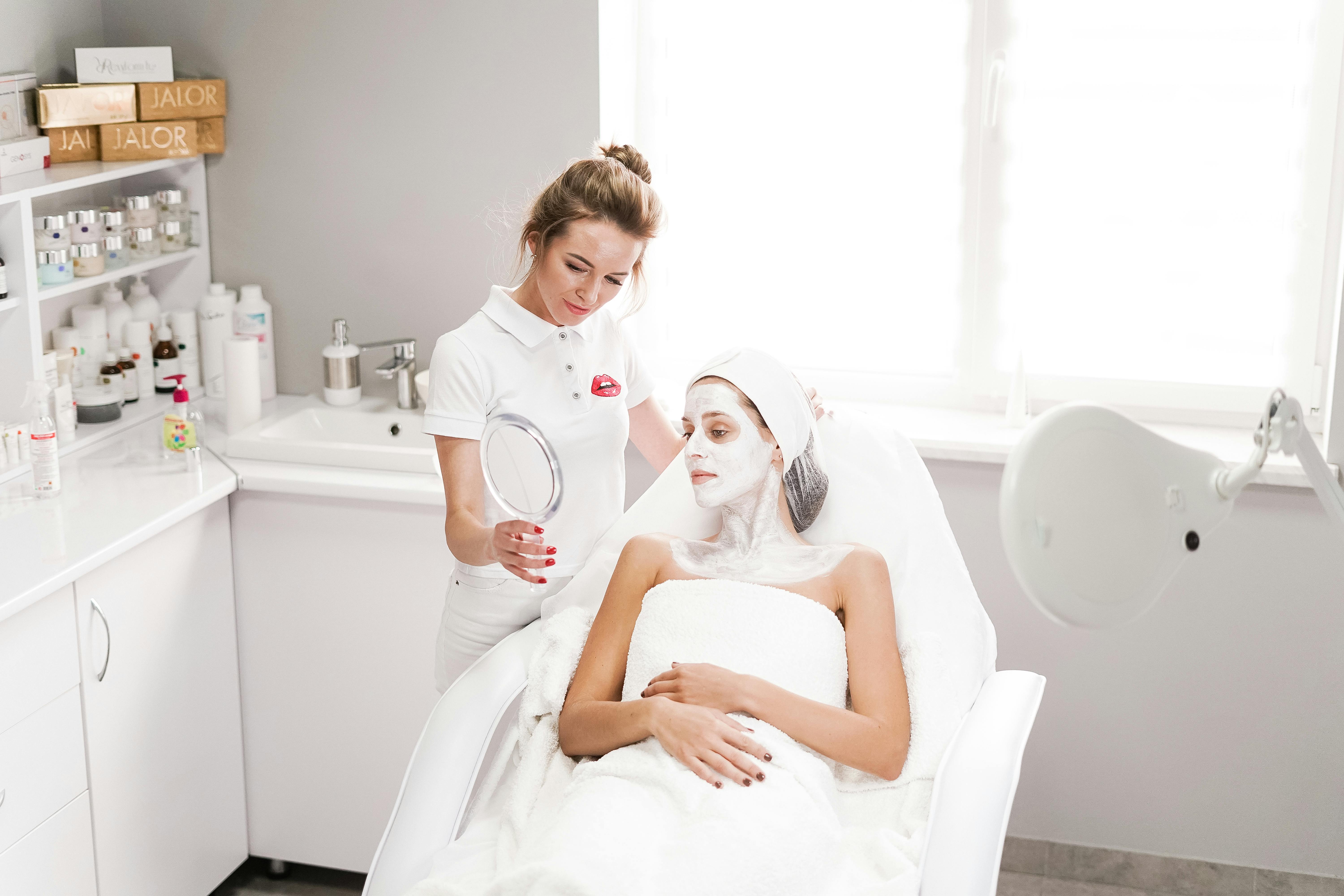
Cosmetic care now overlaps heavily with wellness culture. Med spas often offer skincare treatments alongside nutrition advice, hormone therapy, stress management, and fitness guidance. Patients are encouraged to think about sleep, hydration, sun protection, and mental health instead of relying only on cosmetic procedures.
This blending reflects changing attitudes about self-care in the United States. Adults are becoming more comfortable investing money in experiences and services that improve confidence or emotional well-being. Someone who spends money on therapy, fitness classes, and organic groceries may see aesthetic treatments as part of the same larger effort to feel healthier. The conversation has shifted from “fixing flaws” to maintaining overall well-being and confidence.
Cosmetic wellness is likely to keep growing because it reflects broader cultural changes around aging, confidence, and technology. Adults today live in a world where appearance is constantly visible through phones, cameras, and digital platforms, so it is not surprising that more people are exploring treatments that help them feel comfortable in their own skin. What once seemed secretive or extreme has become surprisingly ordinary. In many ways, cosmetic wellness now says less about vanity and more about how modern adults navigate identity, self-care, and visibility in a very public world.
Photo: Source