6 Things to Know Before Moving Into Luxury Retirement Communities
Choosing where to live during retirement is an important decision. For many older adults, it is an opportunity to enjoy a comfortable lifestyle, spend less time maintaining a property, and become part of a welcoming community. Luxury retirement communities in the UK combine independent living with thoughtfully designed homes, leisure facilities, and opportunities to socialise.
However, choosing the right community involves more than looking at attractive properties or impressive amenities. Understanding the location, financial commitments, available services, and level of support is equally important before making a decision.
For readers exploring different accommodation choices in later life, the NHS guide to housing options for older people provides further information about retirement villages, sheltered housing and other options that support independent living.
Key Factors to Evaluate When Choosing a Retirement Community
Choosing a retirement community requires careful research to ensure the property and available services match your expectations. The following six factors can help you compare different options and make a more informed decision.
1. Consider the Location and Surrounding Area
Location can have a significant impact on your retirement experience. Even a well-designed property may not be suitable if it is far from family, friends or everyday amenities.
Before choosing a retirement village, consider:
- Accessibility: Check whether local shops, healthcare facilities and public transport are conveniently accessible.
- Proximity to family: Living within a reasonable distance of loved ones can make regular visits easier.
- Surroundings: Look for pleasant outdoor spaces, walking routes and opportunities to enjoy the local area.
- Transport options: Consider whether you can travel independently or need convenient transport connections.
A suitable location should complement your preferred lifestyle while making everyday activities more convenient.
2. Look Beyond the Property Design
A comfortable home is essential, but its suitability for later life should also be a priority. Retirement properties may incorporate practical features that make everyday living more convenient, although layouts and accessibility provisions vary between developments.
When viewing properties, consider:
- Whether the entrance is easy to access.
- Whether doorways and hallways provide enough room to move comfortably.
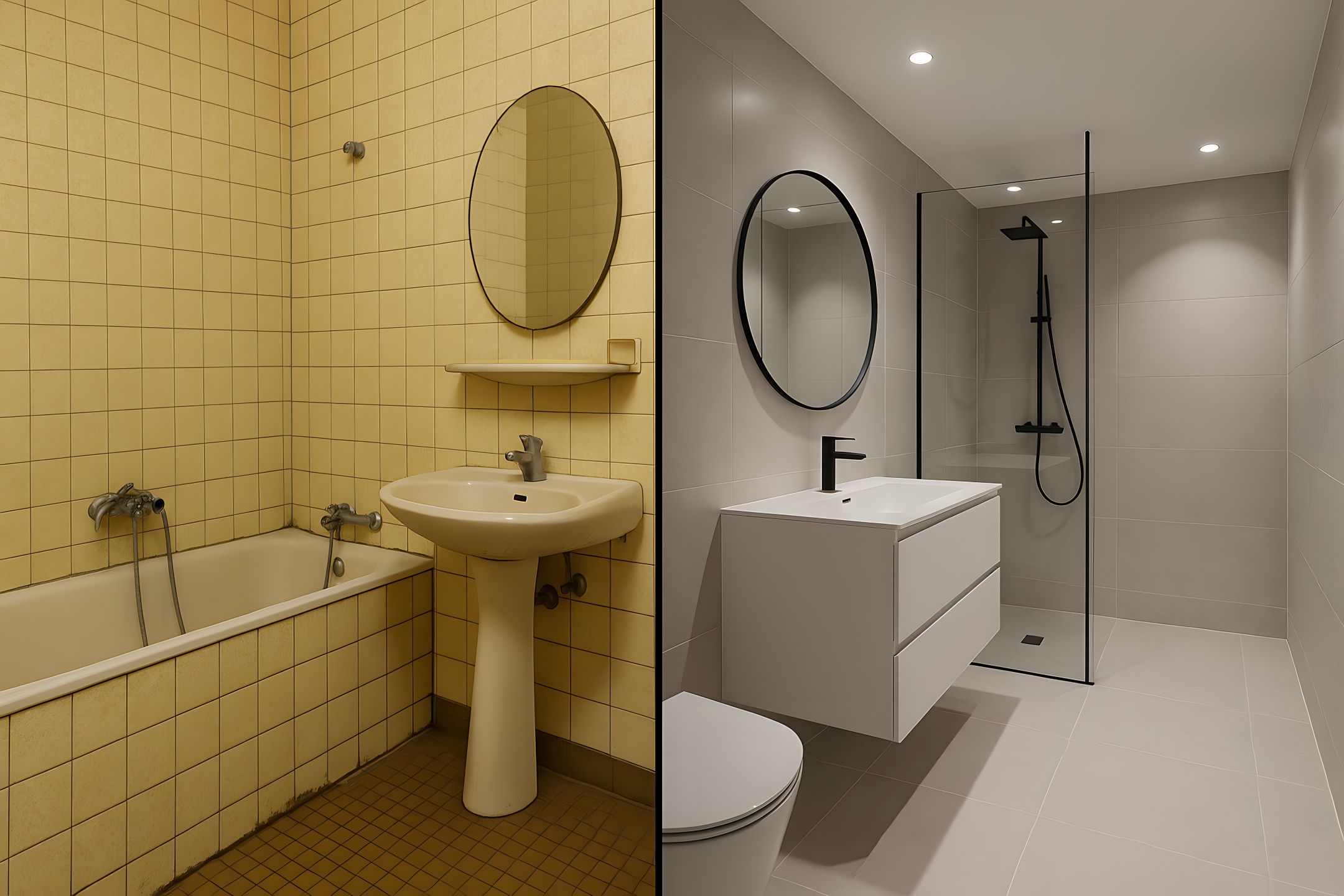
- Whether bathrooms have practical layouts and accessible fittings.
- Whether the property offers sufficient storage and natural light.
- Whether the home could accommodate changing mobility requirements.
It is also worth considering how much maintenance the property requires. A manageable home can leave more time for hobbies, personal interests and activities you enjoy.
3. Understand the Facilities and Amenities Available
One attraction of luxury retirement villages in the UK is the opportunity to enjoy leisure and wellbeing facilities within the community. However, amenities differ between developments, so it is important to understand what is actually available.
Depending on the village, facilities may include:
- Fitness studios and swimming pools.
- Restaurants and communal dining spaces.
- Libraries and comfortable lounges.
- Gardens and outdoor seating areas.
- Spaces for exercise and recreational activities.
Think about which amenities you are most likely to use. For example, someone who enjoys swimming may prioritise a village with a pool, while another person may prefer attractive gardens or convenient dining options.
The most suitable retirement village facilities are those that complement your interests and make everyday life more enjoyable.
4. Explore the Community and Social Opportunities
Moving into a new community is not just about finding a suitable home. It is also about building relationships and maintaining meaningful social connections.
Regular interaction with others can contribute to emotional wellbeing and help people feel more connected during retirement.
Before choosing a community, find out:
- What social clubs and group activities are organised?
- Are there opportunities to meet other residents?
- Can residents participate in community events?
- Are there regular opportunities to develop friendships?
- Can family and friends visit comfortably?
If possible, arrange a visit during a typical day rather than relying entirely on a scheduled viewing. This can give you a better understanding of the community atmosphere and whether it suits your personality and interests.
5. Understand the Financial Commitments
Financial planning is one of the most important parts of choosing retirement accommodation. While a property may appear affordable initially, it is essential to understand the ongoing expenses before making a decision.
Depending on the ownership or rental arrangement, retirement living costs may include:
- Purchase price or rent: The initial cost of buying or renting the property.
- Service charges: Contributions towards communal facilities, maintenance and management services.
- Utility bills: Electricity, water, heating and other household expenses.
- Optional services: Additional charges for services or facilities that residents choose to use.
- Exit or resale fees: Certain retirement property agreements may include deferred management fees or event fees when the property is sold.
Ask for a clear breakdown of all applicable charges, including how they may change over time. If you are buying a leasehold property, review the lease carefully and seek independent legal advice before signing.
6. Check What Support Is Available While Maintaining Independence
Retirement living does not necessarily mean giving up independence. Many communities allow residents to manage their own routines while benefiting from additional reassurance and support.
However, the level of assistance differs between providers, so it is important to understand what is included.
Ask about:
- Whether on-site teams are available around the clock.
- Whether emergency call systems are installed in properties.
- What happens if a resident needs assistance.
- Whether additional personal care can be arranged.
- Whether support arrangements can accommodate changing needs.
Some retirement communities provide on-site teams and emergency arrangements without operating as traditional care homes. Additional personal care may need to be arranged separately through independent providers.
When comparing luxury retirement communities, consider how their facilities, support arrangements and property options fit your current lifestyle and future preferences.
Frequently Asked Questions
1. What Makes a Retirement Community Luxurious?
A luxury retirement community generally combines well-designed homes, attractive communal spaces, lifestyle facilities and services that support comfortable independent living.
2. What Facilities Should You Look for in a Retirement Village?
Prioritise facilities you expect to use regularly, such as fitness areas, swimming pools, restaurants and accessible outdoor spaces.
3. How Much Does It Cost to Live in a Luxury Retirement Community in the UK?
Costs vary depending on the location, property type, ownership arrangement and applicable service charges, so request a detailed breakdown before committing.
4. Can You Maintain an Independent Lifestyle in a Retirement Community?
Yes. Many retirement communities are designed around independent living, allowing residents to manage their own routines while accessing communal facilities and additional support where available.
5. What Should You Check Before Buying a Retirement Property?
Review the lease, property condition, service-charge arrangements, resale conditions and any additional fees before completing a purchase.
Choosing a Retirement Community
Choosing a retirement community is a personal decision that should reflect your lifestyle, preferences and future expectations. Taking time to compare properties, understand the financial arrangements and explore the available services can help you find a community where you feel comfortable and independent.
A well-informed decision can make the transition into retirement living more positive and rewarding, giving you greater confidence about the next chapter of life.
Photo by Costa Karabelas: https://www.pexels.com/photo/elderly-couple-sitting-on-bench-overlooking-sea-18260123/