Why Electrical Upgrades Should Be Part of Your Home Improvement Plan
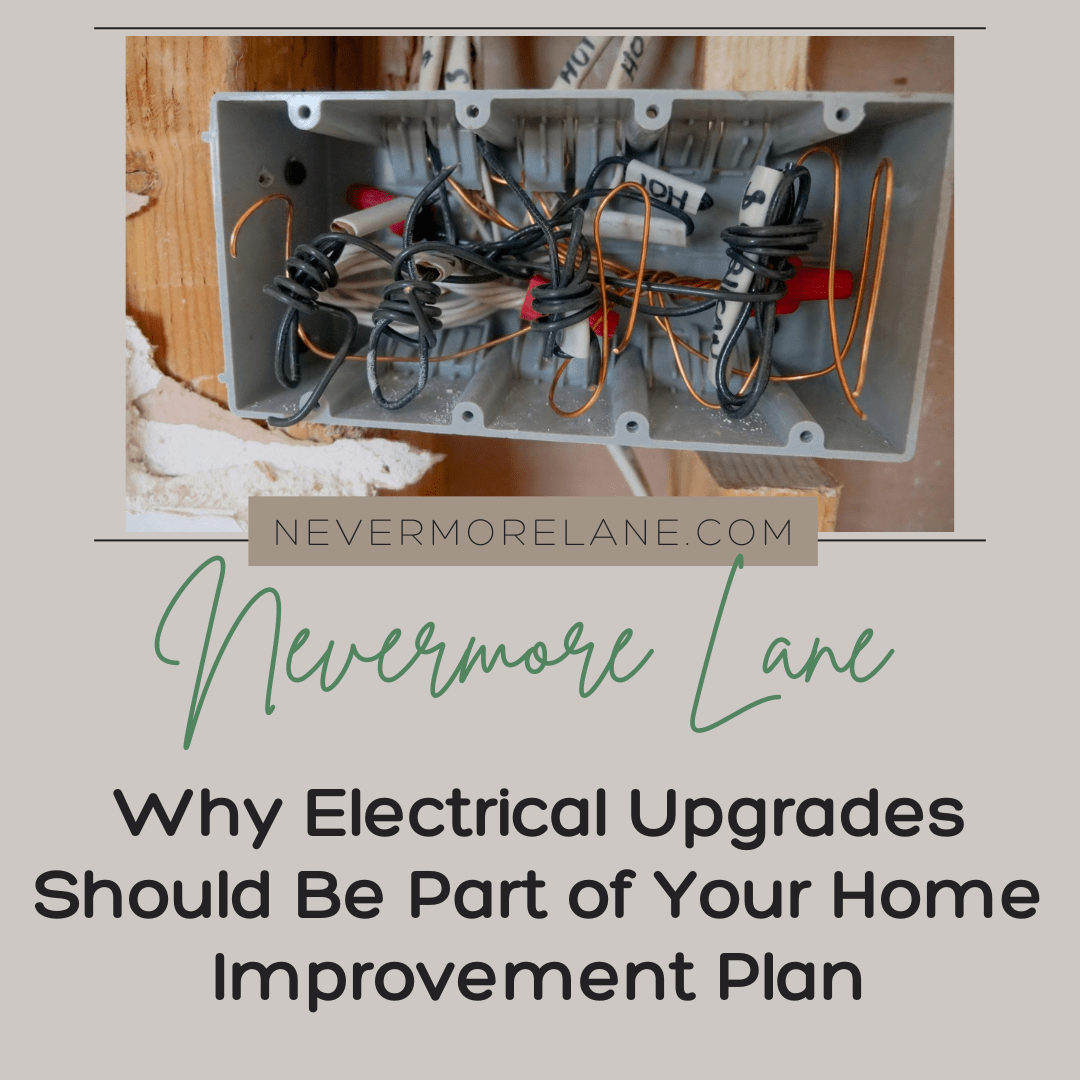
Home improvement plans focus heavily on visible upgrades like kitchen remodels and bathroom renovations while electrical systems get ignored until outlets stop working, breakers trip constantly, or flickering lights finally force attention to infrastructure that silently aged into inadequacy or danger. The problem is that outdated electrical systems don’t just cause inconvenience but create genuine fire hazards, limit the ability to use modern appliances and technology, and reduce property values when inspections reveal code violations or insufficient capacity that buyers recognize as expensive problems requiring immediate addressing. Meanwhile, the wiring hidden behind walls gets no thought during renovation planning despite powering everything else that improvement budgets prioritize.
Electrical upgrades deserve inclusion in home improvement plans because modern household electrical demands far exceed what systems installed decades ago were designed to handle. Air conditioners, electric vehicle chargers, home offices full of equipment, smart home devices, and kitchen appliances all draw power that older panels and wiring cannot safely provide. Homes built before the 1970s often lack grounded outlets that modern electronics require. Aluminum wiring common in certain construction eras creates fire risks that remediation should address. Knob and tube wiring still functioning in some old homes represents a serious hazard that insurance companies increasingly refuse to cover. The electrical capacity that seemed adequate when homes were built no longer serves current lifestyle demands.
Understanding why electrical upgrades matter as much as the cosmetic improvements that get all the attention allows strategic renovation planning that addresses both aesthetics and the infrastructure making modern homes functional and safe. The goal becomes incorporating electrical improvements into broader renovation plans rather than discovering capacity problems after finishing expensive kitchen upgrades only to realize the electrical system cannot handle all the new appliances that remodel installed.
Your Home’s Safety Comes First
Old wiring can become a serious hazard. Flickering lights, warm power points, or circuit breakers that trip often are signs that something isn’t right. Many older homes were built to handle the number of appliances and devices back then, not today. Think about it: large TVs, computers, air fryers, air conditioning, charging stations, and more, they all draw power. If your system struggles to keep up, it increases the risk of overloading and fire. Bringing in a licensed electrician to inspect your wiring and switchboard gives you peace of mind. They can spot issues early and recommend upgrades to match current needs. Safety isn’t something that you should be putting off until later.
Modern Living Requires More Power
Homes built 20 or 30 years ago had far fewer outlets. Now every room needs multiple charging points. Open plan living areas often require complex lighting layouts. Outdoor spaces may include lighting, ceiling fans, or powered entertaining areas. If you’re renovating your kitchen or bathroom, then you are probably going to be adding new appliances that may require you to have dedicated circuits to handle the load properly. Upgrading your electrical system during renovations makes complete sense; it’s easier and more effective to do it while walls are open rather than having to do it after everything is finished.
Energy Efficiency Saves Money
Electrical upgrades aren’t only about safety and capacity; they can also lower your power bills. Switching to LED lighting reduces energy use, and it lasts longer than older bulbs. Installing dimmer switches gives you more control over lighting levels, and updating to energy-efficient appliances could save on long-term costs. You might also think about adding things like smart controls, timers, motion sensors, and programmable systems, as these help to reduce wasted electricity. Small changes add up over time, and when they are installed correctly and properly, they work smoothly without having to make constant adjustments.
Planning Electrical Upgrades Strategically
Electrical upgrades work most efficiently when coordinated with other renovation projects rather than handled as separate afterthoughts requiring walls reopened and finished work disturbed. Kitchen remodels provide perfect opportunities for panel upgrades, dedicated appliance circuits, and additional outlets that cooking areas demand. Bathroom renovations should include GFCI protection and adequate circuits for modern lighting and heated floors. Home office conversions need proper electrical capacity supporting computer equipment without overloading circuits. Basement finishing must address code-compliant wiring before drywall covers everything making future electrical work exponentially more expensive.
Long-term home value and safety depend on electrical systems matching current code requirements and capacity demands even when visible improvements seem more exciting or urgent. The money spent on electrical upgrades protects renovation investments by ensuring homes can actually use the features that improvements add. Updated panels increase resale value while outdated systems alarm buyers and inspectors. Proper capacity prevents the frustration of tripping breakers every time multiple appliances run simultaneously. Code-compliant wiring eliminates insurance issues and fire risks that outdated systems create regardless of how well other home improvements photograph.
Electrical upgrades belong in every home improvement plan because they enable the modern lifestyle that other renovations promise but cannot deliver when underlying infrastructure fails supporting contemporary demands. Stop treating electrical systems as problems only worth addressing when they fail spectacularly. Include capacity assessments and code compliance reviews in renovation planning from the start. Upgrade panels, wiring, and outlets during projects that already have walls opened rather than treating electrical as separate future problem. Build home improvements on solid infrastructure that safely powers everything else that renovation budgets prioritize, creating homes that function as beautifully as they look.
Integrating Infrastructure Into Renovation Priorities
A beautiful home should also be safe and functional. Electrical upgrades may not be as visible as putting in new tiles or freshly painting the walls, but they certainly shape how well your home supports your daily life. If you are renovating or simply improving your space, don’t forget about what’s hidden behind the walls. A qualified professional can help you to build a system that is going to meet today’s needs and also support you in the future. Investing in your electrical setup is really about protecting your home for the future and making sure it works and functions better for you.
Photo by Kindel Media