When Work Feels Aligned with Life: Creating a Career Space That Supports Well-Being
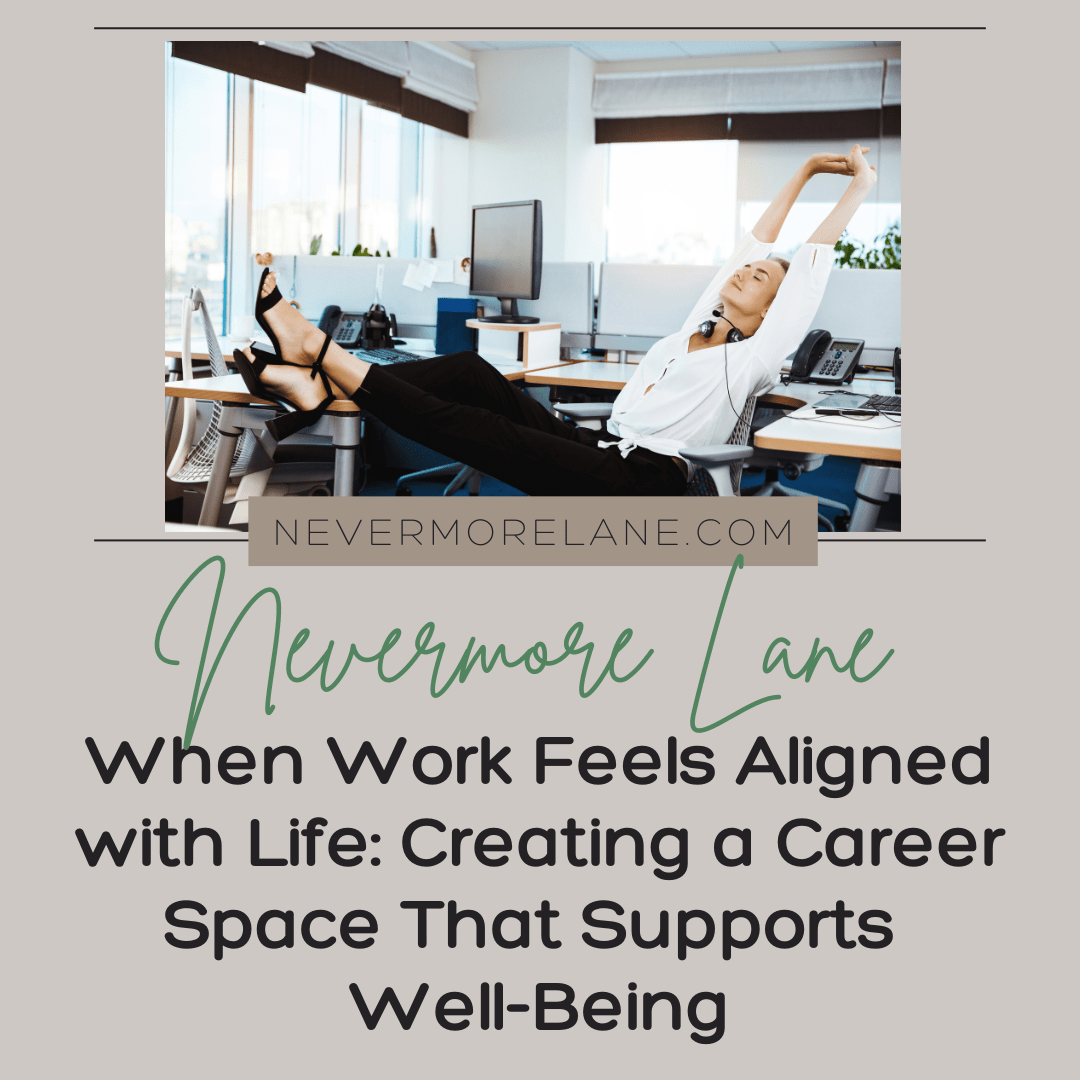
Rethinking Work in the Midlife Season
There comes a moment in midlife when the way we look at work begins to shift. The long hours and constant striving that once defined success start to feel less important than balance, purpose, and peace of mind. Many people begin asking themselves a simple but powerful question: Does my work support the life I truly want to live?
This stage of life often invites reflection. Years of experience have taught us what drains our energy and what nourishes it. Instead of chasing productivity at any cost, midlife professionals often seek careers and workplaces that help employee benefits management feel valued, supported, and motivated by their values and overall well-being.
A workplace that supports wellness does more than help people complete their tasks. It allows them to feel grounded, inspired, and respected while doing meaningful work.
Bringing Intention Into the Workplace
The magical lifestyle many people cultivate in midlife is not about escaping responsibility. It is about living with intention. This same philosophy can transform the way we approach work.
When organizations take the time to understand the people behind the roles, workplaces become more supportive and collaborative. Leaders who listen carefully, communicate openly, and treat employees with respect help create an atmosphere where people feel safe to contribute their ideas and talents.
This kind of environment nurtures creativity and confidence. Instead of feeling like another cog in the machine, employees begin to feel like valued members of a community working toward shared goals.
In many ways, intention is the quiet magic that turns an ordinary workplace into one where people can truly thrive.
Creating Balance in a Busy World
One of the greatest lessons midlife brings is the importance of balance. Work matters, but so do health, relationships, creativity, and rest.
Modern technology has made it easier than ever to stay connected to work around the clock. Yet constant availability can quickly lead to exhaustion. A workplace that respects personal boundaries helps employees maintain a healthier rhythm between professional and personal life.
Flexible schedules, thoughtful workloads, and respect for time away from the office can help restore that balance. When people have space to recharge, they return with clearer thinking and renewed energy.
For many midlife professionals who are learning to live more intentionally, this balance feels essential rather than optional.
Designing Spaces That Support Energy and Focus
The environments where we work influence how we feel throughout the day. A cluttered, noisy space can quietly drain energy, while a calm and thoughtfully designed environment can make work feel lighter and more manageable.
Natural light, comfortable seating, and organized work areas help create a sense of ease. Even small additions such as plants or quiet corners for focused work can shift the mood of an office.
These details may seem simple, yet they contribute to a workplace that feels welcoming rather than overwhelming. When employees feel physically comfortable, they are more able to focus on their work and enjoy the process.
For individuals embracing a slower, more mindful lifestyle in midlife, environments that feel supportive rather than stressful make a meaningful difference.
Encouraging Growth at Every Stage
Midlife is often described as a time of wisdom, but it is also a time of exploration. Many professionals begin rediscovering interests, developing new skills, or exploring creative paths that were once set aside.
Workplaces that encourage learning allow employees to continue evolving. Mentorship opportunities, training programs, and knowledge sharing help individuals expand their abilities and stay engaged with their careers.
Growth does not always mean climbing higher in a traditional hierarchy. Sometimes it means deepening expertise, mentoring others, or discovering new passions within familiar work.
When organizations support this kind of development, they create space for employees to grow naturally without feeling limited by age or experience.
Offering Support That Brings Peace of Mind
Well-being at work also depends on the support systems available to employees. Clear and accessible benefits can help people feel more secure in both their professional and personal lives.
Programs that support health, financial stability, and workplace resources provide reassurance during uncertain times. When employees understand the support available to them, they can focus more fully on their work and long-term goals.
Organizations such as Axiom Human Resource Solutions demonstrate how structured benefits administration can simplify this process for both employers and employees. When benefits are easy to access and clearly explained, they become an important part of a workplace culture that values care and stability.
Peace of mind allows employees to show up to their work with greater clarity and confidence.
Celebrating Contribution and Appreciation
A supportive workplace is also one where appreciation flows naturally. People want to feel that their efforts matter and that their contributions are recognized.
Acknowledgment does not need to come in grand gestures. Simple moments of gratitude, celebrating team achievements, or recognizing individual dedication can strengthen relationships and morale.
When appreciation becomes part of the culture, workplaces begin to feel warmer and more collaborative. Employees are more willing to support one another and take pride in their shared accomplishments.
In many ways, gratitude is another form of quiet magic that strengthens the foundation of a healthy workplace.
Caring for Mental and Emotional Well-Being
Wellness extends beyond physical comfort and professional growth. Emotional and mental health are equally important, especially in environments where stress and pressure can accumulate.
Organizations that encourage open conversations about well-being create spaces where employees feel supported rather than isolated. Providing wellness programs, counseling resources, or even encouraging regular breaks can make a meaningful difference.
Leaders who model healthy habits also set the tone for the entire workplace. When managers demonstrate balance and respect personal boundaries, employees feel more comfortable doing the same.
A culture that values mental well-being acknowledges that people perform best when they feel emotionally supported.